Baking Calms the Mind

Amina Hassan
01-06-2026
 · Lifestyle Team
What’s up, Lykkers?, have you ever noticed how something as simple as mixing flour and butter can quietly shift your mood? One moment you are stressed or restless, and the next you are focused on a bowl of dough rising in front of you.
Baking is not just about food. It is a psychological reset, a sensory escape, and for many people, a surprisingly powerful emotional tool.
During the global lockdown years, home baking surged across kitchens worldwide. But this trend was not just about passing time. It revealed something deeper: baking has a way of stabilizing emotions when life feels uncertain. Let’s explore why this everyday activity can genuinely make people feel better, in ways that go far beyond taste.
Ever snapped sunset and felt confused? Sky drama changes more than expected!
Watered yesterday… still drooping today? The cause may surprise you!
Why do children run longer outdoors? Real grass may be the reason!
Droopy stems and brown tips? One watering mistake changes everything!
Guiding Playful Kids: How to Help Children Balance Play and Responsibility
How emotional patterns in a supportive home can still shape inner confusion later in life
Baking Creates a Safe Space for Emotional Expression
Unlike structured tasks in work or school, baking allows room for personal interpretation. A basic recipe might guide the process, but what happens inside the kitchen is entirely yours. You decide the texture of the dough, the level of sweetness, or even the final presentation. Psychologists often describe creative activities like baking as a form of non-verbal expression.
When words are difficult to find, especially during stress or emotional fatigue, shaping dough or decorating pastries becomes a quiet substitute for communication. A batch of cookies can carry intention, care, or even comfort without a single sentence being spoken. This is why people often bake for others during meaningful moments. A tray of brownies can express support better than a message, and that emotional transfer is part of what makes baking feel so grounding.

It Pulls You Into the Present Moment
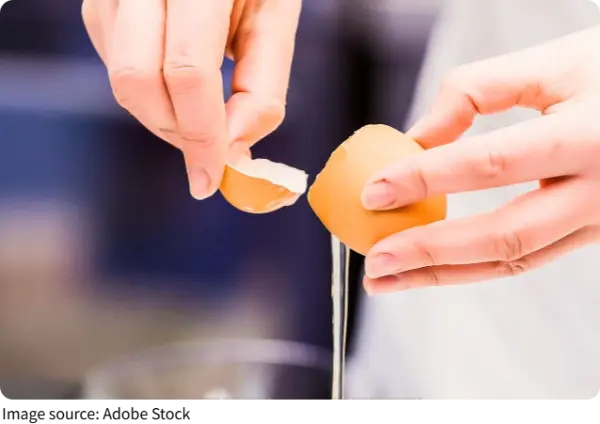
One of the strongest mental benefits of baking is its ability to anchor attention. Measuring flour precisely, cracking eggs without breaking shells, or monitoring dough texture demands focus. This type of attention is closely related to mindfulness practices used in psychology.
When your mind is occupied with the present task, it has less space to replay worries or future anxieties. The rhythm of baking naturally interrupts overthinking patterns. Even simple steps like stirring batter or rolling dough force a slow, steady mental pace.
Researchers in behavioral psychology often note that repetitive, hands-on tasks can reduce cognitive overload. Baking fits this pattern perfectly. It is structured, but not rigid. Engaging, but not overwhelming. Researchers Adrian M. Haith and John W. Krakauer (Johns Hopkins University) explain this through the principle of "caching." They argue that practice allows the brain to store the outcomes of frequent computations, shifting behavior from controlled to automatic.
The Emotional Reward of Sharing Food
Food carries social meaning far beyond nutrition. When you bake for someone else, you are participating in an ancient human behavior: sharing effort through food.
There is a measurable psychological response linked to generosity. Acts of giving can increase dopamine and oxytocin levels, which are associated with pleasure and bonding. Baking amplifies this effect because it involves time, effort, and personal involvement. Think of the reaction when someone receives warm banana bread or fresh cookies.
It is not just about eating. It is about feeling remembered. That moment of connection strengthens social bonds, which is a major contributor to emotional well-being. Even baking for a small group at home can create a sense of belonging, especially in environments where people feel isolated or disconnected.
Creativity That Builds a Sense of Progress
Baking is also a form of structured creativity. Unlike abstract art, it has clear rules, but within those rules, there is endless room for variation. You can adjust flavors, experiment with textures, or redesign presentation styles. This balance between structure and creativity is important for mental health. It gives the brain both guidance and freedom at the same time.
Studies in occupational psychology suggest that small creative wins, such as successfully completing a recipe, can improve self-efficacy, the belief that you are capable of achieving tasks. Even small achievements, like perfectly rising bread or evenly baked cookies, can create a quiet sense of accomplishment. Over time, these micro-successes contribute to improved confidence and emotional stability.
A Full Sensory Experience That Grounds the Mind
Unlike many modern activities that rely heavily on screens, baking engages the full body. You feel the dough changing under your hands, you watch color shifts in the oven, and you listen for subtle cues like bubbling or cracking.
Smell plays a particularly powerful role. The aroma of vanilla, cinnamon, or fresh bread is strongly linked to memory centers in the brain. This is why baking often feels nostalgic. It can instantly transport people back to childhood kitchens or family gatherings.
Sound also plays a subtle role. The crackle of a crust cooling or the soft whisking of batter creates a calming rhythm. Together, these sensory inputs create a grounded experience that pulls attention away from mental clutter and into physical reality.
Baking is far more than a kitchen activity. It is emotional expression, sensory grounding, creative release, and social connection all at once. Whether you are kneading dough after a long day or decorating cookies for someone you care about, the process itself carries psychological weight that science continues to recognize.