Drowning or Drying?

Caleb Ryan
01-06-2026
 · Lifestyle Team
Good day, Friends! Have you ever watered a struggling plant, only to see it look even worse the next day? Many indoor plants suffer not from neglect, but from watering problems that show nearly identical symptoms.
Yellow leaves, drooping stems, and crispy brown edges can all signal either too much or too little water, making it surprisingly difficult to tell the difference. Learning how to recognize these hidden clues is one of the most important steps toward keeping houseplants healthy indoors.
Why Both Overwatering and Underwatering Harm Plants
Plants rely on a careful balance of moisture and oxygen in the soil. When soil stays drenched for too long, air pockets disappear and roots begin to suffocate. Roots need oxygen to absorb nutrients properly, and without it, decay develops quickly. Damp conditions also encourage fungal organisms that attack weakened root systems. Dry soil creates a different crisis. Without enough moisture, the plant cannot maintain pressure inside its cells.
Guiding Playful Kids: How to Help Children Balance Play and Responsibility
Smart ways to blend vintage finds with contemporary decor for a personal and polished home look.
Mud everywhere, laughter everywhere—children never get bored here!
How to use pendant lights, fairy lights, and floor lamps to set the right mood in every room
How to mix bohemian textures, earthy tones, and modern pieces for a relaxed yet stylish living space
How indoor plants may help improve air quality and enhance living environments
Leaves lose firmness, stems collapse, and nutrient transport slows dramatically. In severe drought stress, tissues dry out beyond repair. Interestingly, many tropical houseplants suffer faster from excessive watering than short dry spells. Species like pothos, peace lilies, and philodendrons can recover from temporary dryness, but prolonged soggy soil often causes root rot that spreads silently below the surface.
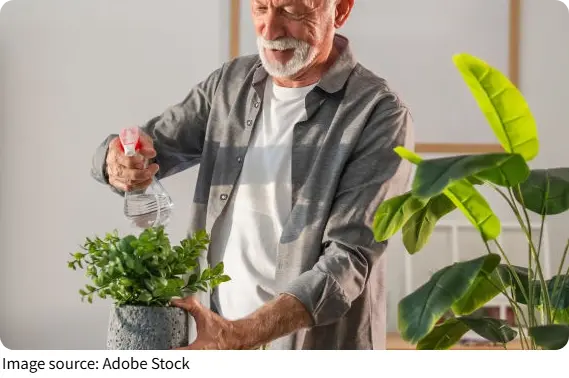
The Most Reliable Way to Tell the Difference
Leaf symptoms alone can be misleading. A wilted plant may actually be drowning rather than thirsty. The quickest way to identify the problem is by checking the soil itself. If the soil feels heavy, sticky, or constantly wet several days after watering, overwatering is likely the issue. If the soil feels dusty, compacted, or has pulled away from the sides of the container, underwatering is the more probable cause.
Leaf texture also reveals useful clues:
- Overwatered leaves usually feel soft, limp, or swollen.
- Underwatered leaves often feel thin, crisp, or papery.
These small differences are far more accurate than color changes alone.
What an Overwatered Plant Usually Looks Like
Overwatered plants rarely collapse overnight. The damage often develops gradually as roots remain trapped in oxygen-poor soil.
Common signs include:
- Yellow leaves appearing across several parts of the plant.
- Brown tips surrounded by yellow halos.
- Mushy stems or soft areas near the soil line.
- A sour or swamp-like smell coming from the container.
- Weak growth despite regular watering.
- Tiny brown corky spots caused by excess internal water pressure.
One overlooked symptom is persistent wilting even when the soil is wet. Many people respond by adding even more water, worsening the problem further.
Once root rot begins, affected roots turn dark and soft instead of firm and pale. At this stage, immediate action matters. Repotting into fresh, well-draining soil can sometimes save the plant before decay spreads upward.
What Happens When a Plant Becomes Too Dry
Underwatered plants tend to show more dramatic and rapid reactions. Leaves curl inward or droop heavily because the plant is trying to reduce moisture loss. Older leaves usually decline first as the plant redirects remaining water toward newer growth.
You may notice:
- Crispy brown edges.
- Thin, curled foliage.
- Lightweight containers.
- Soil pulling away from the sides of the container.
- Slower production of new leaves.
Unlike overwatering, underwatering can often be corrected quickly if caught early. Many houseplants regain firmness within hours after a deep soak. Prayer plants and peace lilies are especially famous for their dramatic recovery after watering. However, extremely dry plants may develop leathery leaves that never recover. In those cases, the plant usually survives by producing entirely new growth rather than repairing damaged tissue.
Peace Lily: A Classic Example of Water Stress
Peace lilies are one of the easiest plants to “read” because they react strongly to watering mistakes. An overwatered peace lily often develops widespread yellow leaves and soft stems near the base. The soil remains wet for long periods, and fungal spotting may appear on the foliage.
An underwatered peace lily behaves differently. The leaves collapse dramatically, sometimes looking lifeless, yet they often recover within hours after proper watering. Browning usually begins at the tips and edges, while the soil feels completely dry. The texture difference is important: soggy plants feel soft, while dehydrated ones feel brittle.
How to Prevent Watering Problems Indoors
Healthy watering habits depend more on observation than strict schedules. A fixed “once-a-week” routine rarely works year-round because temperature, sunlight, humidity, and container size constantly change. Plants often need more water during hot, bright periods and far less during cooler or cloudy conditions. Checking the soil, leaf texture, and overall plant appearance is usually far more reliable than following the calendar alone.
Instead, focus on the plant’s environment:
- Check soil moisture before watering.
- Use containers with drainage holes whenever possible.
- Reduce watering during cooler months.
- Learn whether your plant naturally prefers drier or consistently moist soil.
- Avoid letting decorative outer containers trap standing water.
Succulents, cacti, and thick-stemmed plants tolerate dry periods well. Tropical foliage plants with thin leaves usually prefer lightly moist soil but still need airflow around their roots. Moisture meters can also help, especially for larger containers where the surface dries faster than deeper layers.
Watering mistakes are not simply about giving “too much” or “too little.” The real issue is how long roots remain stressed. Plants constantly communicate through texture, color, posture, and soil condition, but those signals become useful only when observed together rather than separately.