Growing Joy in the Garden

Caleb Ryan
29-05-2026
 · Lifestyle Team
What’s up, Lykkers? Have you ever noticed how quickly a child becomes fascinated by a tiny seed pushing through the soil? One morning, a container may look completely empty, and just a few days later, a bright green shoot suddenly appears.
For children, this moment often feels almost magical. For grandparents, it can become the beginning of a meaningful tradition that connects generations in a calm and healthy way.
Gardening offers far more than flowers or homegrown vegetables. Research in child development and horticulture-based learning suggests that gardening can encourage patience, improve attention span, support emotional well-being, and help children understand how living things grow. Grandparents often serve as natural guides in this process, offering time, warmth, and shared experience rather than pressure or instruction.
How to use pendant lights, fairy lights, and floor lamps to set the right mood in every room
How to mix bohemian textures, earthy tones, and modern pieces for a relaxed yet stylish living space
How indoor plants may help improve air quality and enhance living environments
How emotional patterns in a supportive home can still shape inner confusion later in life
Why do family visits make people feel younger again?
How Can Wabi-Sabi Interior Design Create Calm, Natural, and Peaceful Living Spaces?
Bring Children Into the Garden Naturally
Gardening can easily be misunderstood as a task or responsibility. Children tend to lose interest when activities are framed with long explanations about soil, spacing, or maintenance. What truly captures their attention is movement, color, texture, and discovery. Instead of asking a child to “help clean the garden,” invite them to look for insects hiding beneath leaves or observe which plant is growing the fastest.
Young children respond especially well to hands-on, sensory-rich experiences. Grandparents can make these moments more meaningful simply by slowing the pace. Let children feel soil in their hands, smell fresh leaves, or listen to insects moving among plants.
These simple experiences create lasting emotional impressions that are far more powerful than instructions. Children also learn by observation. When they regularly see adults caring for plants—watering, checking growth, or harvesting—they naturally begin to view gardening as an enjoyable activity rather than a duty.
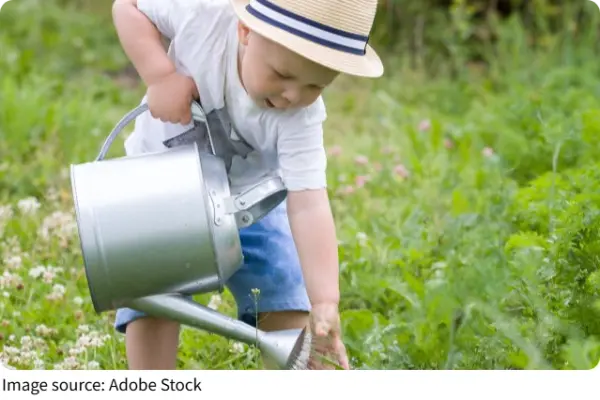
Give Them Their Own Growing Space
One of the most effective ways to maintain a child’s interest is to give them ownership. A small garden bed, a set of containers, or even a recycled planter can become their personal growing space.
This sense of ownership allows children to make simple decisions independently. They can choose plants based on color, shape, or curiosity. When children feel responsible for something they have planted, they become more emotionally engaged in its progress.
It is important to allow room for imperfection. Uneven planting, crowded seeds, or messy soil are part of the learning process. Gardening teaches naturally through experience. Over time, children begin to notice how plants compete for space and adjust their approach based on what they observe.
Choose Plants That Show Quick Progress
Patience develops gradually, and young children are more likely to stay engaged when results appear quickly. Fast-growing plants help maintain interest because progress can be seen within a short time.
Sunflowers are especially effective due to their visible daily growth. Radishes and fast-germinating greens sprout quickly, while small fruiting plants can provide simple, rewarding harvests that children can enjoy directly.
Bright, colorful plants such as marigold-like flowers, nasturtium-like flowers, and zinnia-like flowers also help sustain attention while attracting insects, adding movement and life to the garden environment. It is best to avoid plants that are slow or fragile at the beginning, as repeated failure may reduce enthusiasm.
Turn Gardening Into Shared Storytelling
Gardening becomes more meaningful when connected to shared stories and experiences. Simple plants can carry deeper significance when linked to memories of growing food, seasonal traditions, or everyday life experiences. Children often remember these moments more clearly than instructions.
“Gardening brings so many benefits for children, like these ones listed below.” — The Benefits Of Gardening For Children, Gowrie NSW.
Gardening also creates natural learning opportunities. Composting introduces the idea of decomposition and recycling. Observing insects around flowers helps explain pollination in a simple and visual way. Digging in soil often reveals small organisms, encouraging curiosity about ecosystems.
These lessons feel natural because they happen during shared activity rather than structured teaching.
Let Children Explore Freely
It is common to unintentionally become overly instructional during gardening. However, constant correction can reduce enjoyment. Children benefit most when they are allowed to experiment and make small mistakes.
If a plant is overwatered or a seed is planted too deeply, it is more effective to guide with questions rather than immediate correction. This approach helps children develop problem-solving skills and confidence.
Gardening also naturally teaches resilience. Plants may not always grow as expected due to weather, pests, or other conditions. These experiences help children understand that outcomes vary, and growth often continues despite setbacks.
Gardening Strengthens Family Connection
In a fast-paced, screen-focused environment, gardening offers a slower, shared activity that encourages natural interaction. Conversations tend to happen more easily while working side by side, without pressure or distraction.
Outdoor gardening has been associated with positive effects on well-being, including reduced stress and improved physical activity in children. Exposure to natural environments may support attention and emotional balance.
For older generations, gardening also provides gentle physical activity, fresh air, and meaningful connection through shared purpose.
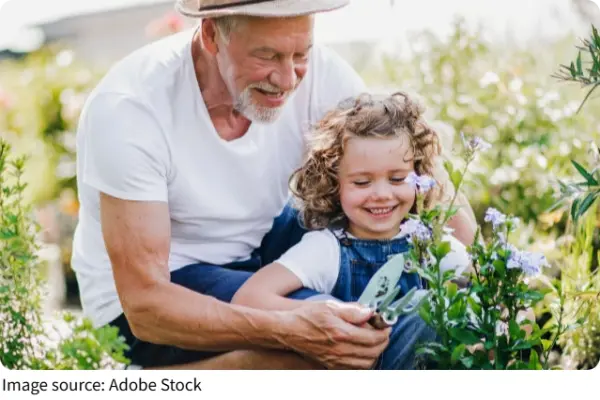
Children may eventually forget many material possessions or digital entertainment, but they often remember simple, shared experiences. Moments spent planting seeds, watching growth, and harvesting produce can leave lasting impressions that stay with them into later life.