5 Plant Watering Problems!

Arjun Mehta
01-06-2026
 · Lifestyle Team
Hello, Friends! few gardening problems are more confusing than seeing drooping leaves right after giving your plants water. You soak the soil, expect the plant to recover within hours, and instead the leaves look even sadder by sunset.
Many gardeners assume a wilting plant simply needs more water. But in many cases, the real problem is overwatering or hidden damage beneath the soil surface.
Plants wilt because their cells lose pressure. Water normally keeps stems and leaves firm, but when roots cannot absorb moisture correctly, the entire system begins to collapse. The surprising part is that this can happen even when the soil looks wet. Here are the most common reasons plants continue wilting despite regular watering, and what actually helps restore them.
Why do children run longer outdoors? Real grass may be the reason!
Droopy stems and brown tips? One watering mistake changes everything!
Guiding Playful Kids: How to Help Children Balance Play and Responsibility
How emotional patterns in a supportive home can still shape inner confusion later in life
Why do family visits make people feel younger again?
How Can Wabi-Sabi Interior Design Create Calm, Natural, and Peaceful Living Spaces?
1. Too Much Water Can Suffocate Roots
One of the biggest mistakes gardeners make is watering again the moment leaves droop. Constantly wet soil blocks oxygen from reaching the roots. Without oxygen, roots slowly rot and lose their ability to absorb moisture. This problem is especially common in heavy clay soil or containers without proper drainage holes. You may notice yellowing leaves, mushy stems, or a sour smell coming from the soil. At that point, the plant is not thirsty—it is drowning.
Before watering again, check the soil several centimeters below the surface. If it still feels damp, wait. Plants recover better from slight dryness than from permanently soggy roots. Improving drainage with compost, bark, or coarse organic material can dramatically reduce future stress.
2. Shallow Watering Creates Weak Roots
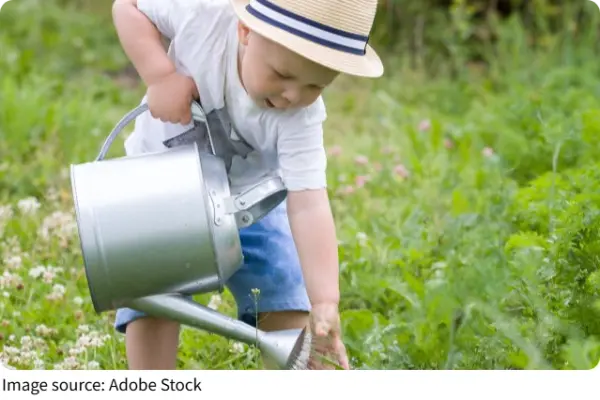
Many people water lightly every day, believing frequent moisture keeps plants healthy. In reality, shallow watering encourages roots to stay near the surface where heat dries the soil quickly. As temperatures rise during midday, those shallow roots struggle to pull enough moisture, causing leaves to wilt even though the plant was recently watered.
Deep watering is far more effective. A thorough soak a few times each week trains roots to grow deeper into cooler, more stable soil layers. Deep roots make plants significantly more resilient during heat waves and dry conditions. If water only dampens the top layer of soil, the plant remains vulnerable no matter how often you water it.
3. Hot Wind Dries Plants Faster Than You Think
Strong wind is often overlooked in gardening. Dry, moving air rapidly pulls moisture from leaves, especially during hot afternoons. Even well-watered plants can wilt when exposed to continuous wind stress. Tender vegetables, hydrangeas, young herbs, and container plants are particularly sensitive. Leaves may appear curled, thin, or scorched along the edges.
This issue commonly affects balconies, rooftop gardens, and open yards without barriers. Moving plants into a more sheltered location or adding temporary wind protection can reduce water loss dramatically. Mulch also helps by cooling the root zone and slowing evaporation from the soil surface.
4. Heat Stress Changes How Plants Behave
During extreme temperatures, plants sometimes wilt as a protective response rather than a sign of dehydration. In intense heat, leaves lose moisture faster than roots can replace it, so the plant temporarily droops to reduce exposure to sunlight. This is especially noticeable in newly transplanted flowers and vegetables that have not fully adapted to outdoor conditions.
A plant that perks back up in the evening usually suffers from heat stress rather than severe water shortage. However, repeated exposure weakens growth over time. Providing shade cloth during the hottest hours or watering early in the morning helps plants regulate moisture more efficiently. Morning watering is important because cooler temperatures allow roots to absorb water before the day becomes harsh.
5. Rootbound Plants Cannot Absorb Moisture Properly
Container plants often wilt even after watering because their roots have become tightly packed inside the container. As the roots circle around themselves, very little soil remains to hold moisture. Water can pass straight through without fully soaking the root system. In severe cases, the dense root mass can even start resisting moisture altogether.
Signs of a rootbound plant include roots growing from drainage holes, compacted soil, and extremely fast drying after watering. Repotting into a slightly larger container usually solves the issue. Gently loosening the outer roots before transplanting helps the plant establish itself more quickly in fresh soil.
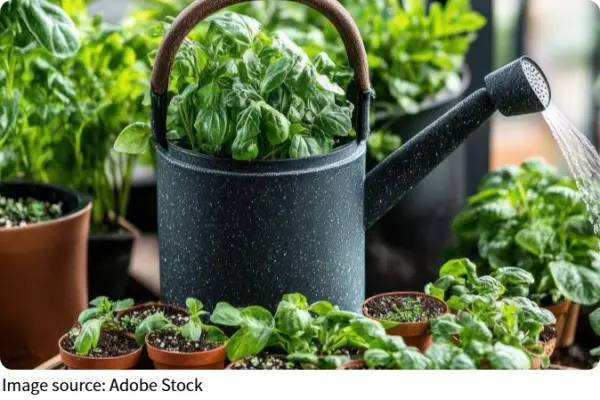
Even when you think you’re caring for your plants properly, symptoms like drooping can signal hidden issues beyond just watering. Overwatering, underwatering, root problems, or environmental stress can all affect plant health. Observing your plants carefully, understanding their specific needs, and adjusting care accordingly is key to keeping them vibrant and thriving. Proper attention to overall conditions, rather than just watering, ensures long-term health and prevents surprises.