Sunset Shot Trick!

Raghu Yadav
01-06-2026
 · Lifestyle Team
Hey, Readers! Have you ever stood under a glowing orange sky, taken a photo at sunset, and then looked at your screen only to feel disappointed? The sky looks washed out or your subject turns into a dark shadow.
It feels like the camera simply refused to capture what your eyes clearly saw. This frustrating gap between real-life beauty and camera results is more common than most people think.
Why Your Eyes Win Against Your Camera
When you look at a sunset, your eyes are not acting like a simple camera lens. Your pupils constantly adjust to brightness, and your brain blends multiple lighting conditions almost instantly. That means you can see both a glowing sky and a clearly visible foreground at the same time.
Watered yesterday… still drooping today? The cause may surprise you!
Why do children run longer outdoors? Real grass may be the reason!
Droopy stems and brown tips? One watering mistake changes everything!
Guiding Playful Kids: How to Help Children Balance Play and Responsibility
How emotional patterns in a supportive home can still shape inner confusion later in life
Why do family visits make people feel younger again?
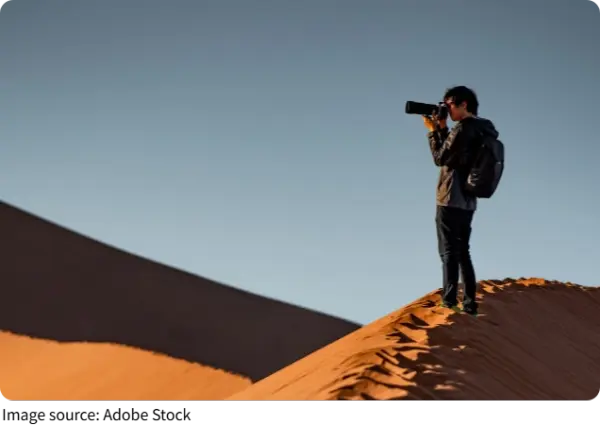
A phone or basic camera, however, captures only one exposure at a time. It has to choose: either it exposes for the bright sky or the darker subject below it. It cannot perfectly balance both in a single shot. Sunset scenes are especially challenging because they contain extreme light differences.
The sun or bright horizon may still be intensely luminous, while people, trees, or buildings in the foreground are already in shadow. This contrast creates what photographers call a “high dynamic range” scene, and most casual cameras struggle with it.
The Exposure Trade-Off Problem
When your camera measures light, it picks a “middle ground” exposure. If it focuses on the sky, the colors look rich, but your subject becomes nearly black.
If it focuses on your subject, the person or object looks fine, but the sky turns overly bright and loses detail. This is why your sunset photos often feel “wrong,” even though technically the camera did exactly what it was designed to do. It simply cannot prioritize both areas at once without help.
HDR Mode: Helpful but Not Perfect
Most modern smartphones include HDR (High Dynamic Range) mode. This feature attempts to solve the problem by capturing multiple images at different exposures and merging them together.
In many cases, HDR can improve sunset photos by preserving both sky color and foreground detail. However, it is not flawless. Some HDR systems can make photos look overly flat or artificial, especially when the processing becomes too aggressive. Skies may appear unnatural, or shadows may lose depth.
HDR also requires steady hands or a stable surface. Since it blends multiple shots, movement can create blur or ghosting effects. If you use HDR, keeping your phone steady can make a noticeable difference in quality.
A Creative Option: Embrace the Silhouette
Instead of fighting the lighting conditions, you can work with them. A silhouette is created when your subject is intentionally underexposed, turning them into a dark shape against a glowing sky. This approach often produces powerful and emotional images, especially during sunsets when the background light is naturally dramatic.
Silhouettes work particularly well with recognizable shapes such as a person standing still, a bicycle, trees, or city skylines. The key is to expose for the sky and let the foreground fall into darkness naturally. Many photographers actually prefer this method because it avoids the struggle of balancing two conflicting exposures.
The Most Reliable Technique: Expose for the Sky First
One of the most important habits in sunset photography is this: always prioritize the sky. If the sky is properly exposed, you can often recover shadow detail later. But if the sky is overexposed and turns pure white, that detail is permanently lost.
Most smartphones allow you to tap on the screen to set focus and exposure. After tapping, you may see a brightness adjustment slider. Lowering the exposure slightly helps preserve the sunset colors while keeping control of highlights. Later, in editing apps, you can gently lift shadows to bring back detail in darker areas. This is far more effective than trying to fix an overexposed sky after the fact.
Simple Editing Can Save Your Shot
Post-processing is not about changing reality—it is about restoring balance. Basic tools in most photo apps allow you to adjust shadows, contrast, and highlights. Increasing shadows slightly can reveal hidden details in darker areas without ruining the sky. Small adjustments are usually better than extreme changes, which can make images look unnatural.
Color temperature adjustments can also help. A slightly warmer tone often enhances the natural glow of sunset light, making the image feel closer to what the eye experienced. The key is subtlety. Think enhancement, not transformation.
AI Tools: Useful but Not a Replacement for Good Capture
AI-powered photo editors are improving quickly, and they can sometimes enhance sunset images impressively. They may balance exposure automatically or recover shadow details with surprising accuracy.
However, they still have limits. If highlight detail is completely lost in the original shot, AI cannot truly recover it—it can only guess what might have been there. That is why capturing a well-exposed sky in the first place is still the most important step. Think of AI as a finishing tool, not a rescue button.
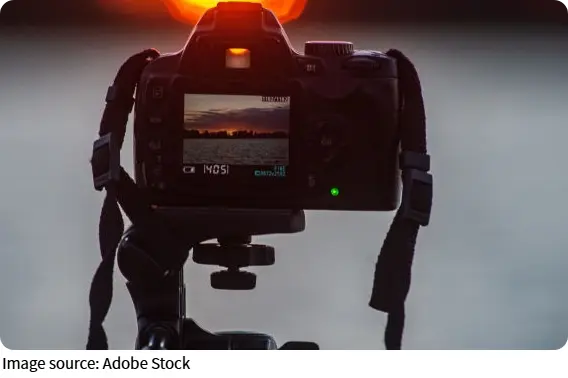
Sunset photography is less about gear and more about awareness. Once you understand how light behaves and how your camera interprets it, you can start making intentional decisions instead of relying on automatic settings.