Winging Through Winter

Arvind Singh
01-08-2024
 · Animal Team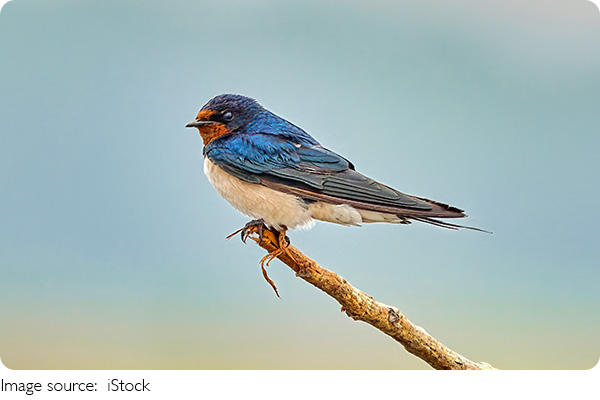
The behavior and adaptation strategies of birds are particularly unique and complex within the animal kingdom.
Among the many intriguing aspects of avian life is how they cope with the changing seasons, especially winter.
A common question is whether birds hibernate, similar to some mammals. The answer is that most birds do not hibernate. Instead, they adopt another strategy to cope with the cold winter: large-scale seasonal migration.
This behavior is not only fascinating but also reveals the remarkable ways in which birds survive and reproduce in extreme environments.
Winter Adaptation Strategies of Birds: Hibernation vs. Migration
Hibernation is a physiological state in which animals significantly reduce their metabolic rate to save energy during winter when food is scarce and temperatures are extremely low. Many mammals, such as bears and certain bats, enter a state of hibernation.
Sandhill Cranes "dye" their feathers with mud to enhance survival and mating success.
From cheetahs to elks, speed shapes survival in nature's race for life, with antelopes leading the charge.
Meet the Ruby-throated hummingbird, a tiny marvel defying nature's challenges with astonishing migratory prowess.
Gyps rueppellii, the highest-flying bird, embodies aerial grace and ecological importance in Africa's skies.
Giraffe markings are vital for camouflage, defense, and thermoregulation.
Birds' vision surpasses most animals, with ultra-sensitive color detection, motion sensing, and wide fields of view.
However, the physiological structure and lifestyle of birds are very different from those of mammals. Birds rely on high metabolic rates to maintain their ability to fly, which makes them unsuitable for long periods of a low metabolic state.
Therefore, true hibernating birds are extremely rare. The only bird that has been confirmed to hibernate is the Common Poorwill (Phalaenoptilus nuttallii) found in North America. Its hibernation behavior is still significantly different from the hibernation of mammals.
Reasons for Bird Migration
Birds choose to migrate rather than hibernate primarily to meet their needs for survival and reproduction. Migration is a complex adaptive behavior involving a variety of physiological, ecological, and environmental factors. Here are a few main reasons why birds migrate:
1. Access to Food Resources
In winter, food resources become scarce in the breeding grounds of many birds. For insectivorous birds, the number of insects and other invertebrates decreases sharply. By migrating, birds can reach warmer areas with more abundant food resources, ensuring they can obtain sufficient energy to survive the winter.
2. Climate Adaptation
The severe cold of winter poses a significant threat to the survival of birds. Migration enables them to avoid extreme climatic conditions and find warmer habitats. This not only helps them save energy but also reduces mortality caused by the cold.
3. Reproductive Success Rate
Many birds migrate back to their northern breeding grounds in spring due to longer daylight hours and abundant food resources, which are conducive to the growth and development of their young.
Additionally, the relatively cooler climate in the north helps reduce the threat of pests and diseases, improving reproductive success rates.
Challenges and Adaptations of Migration
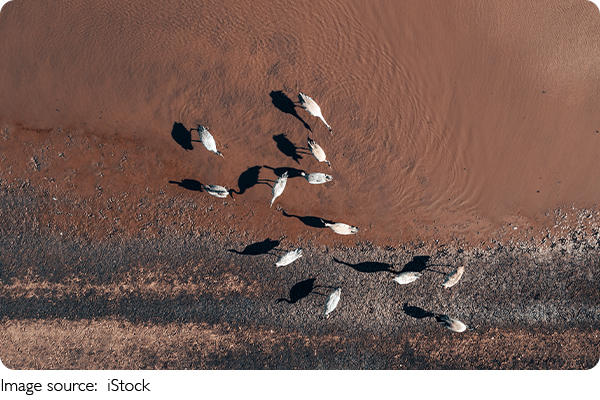
Bird migration is an incredibly challenging endeavor involving long-distance flight, navigation, and energy management.
Birds face numerous difficulties during migration, such as adverse weather conditions, predation, and habitat loss. However, they have evolved various adaptive strategies to cope with these challenges:
1. Navigation Ability
Birds possess excellent navigation abilities, utilizing the geomagnetic field, the position of the sun, stars, and geographical features to determine direction. Research has shown that some birds even have an internal "biological compass" that helps them maintain the correct flight path during long-distance migrations.
2. Energy Reserves
Before migration, birds increase their food intake to store fat, which serves as the most important energy source during migration. Some bird species can significantly increase their body weight in a short period, ensuring they have enough energy to complete their long journeys.
3. Staged Migration
Many birds adopt a staged migration strategy, making multiple stops during their long-distance flights. These stopovers not only provide opportunities to rest but also allow birds to replenish their food and energy for the next stage of their journey.
Conclusion
Birds do not hibernate; instead, they adapt to seasonal changes through complex and sophisticated migration behaviors. Migration is a strategy that allows birds to cope with cold weather and food shortages, as well as an essential means of reproduction and survival.
Understanding the mechanisms and reasons behind bird migration not only helps us better protect these magnificent creatures but also provides deeper insights into the dynamic relationship between species and their environments.
The annual journey of migratory birds is a natural miracle, reminding us to cherish and protect every form of life on this planet.