Fluffy Doughnuts

Mason O'Donnell
27-08-2026
 · Food Team
Welcome, readers. Doughnuts can turn out heavy fast, but the fix is usually not complicated.
It comes down to a soft enriched dough, enough rising time, and steady frying heat. If you want that light inside with a thin golden outside, you need to watch a few plain details, especially the oil staying near 350 F and the dough frying just long enough to color without drying out.
The dough does the work
For this batch, you'll need 2 1/2 teaspoons instant yeast, 1/4 cup lukewarm water, 3/4 cup lukewarm milk, 1/4 cup granulated sugar, 2 1/2 tablespoons butter, 1 large egg, 1 teaspoon vanilla extract, 1/2 teaspoon nutmeg, 2 1/2 cups all-purpose flour, 1/4 teaspoon salt, and oil for frying. For finishing, you can use cinnamon sugar or a simple glaze. The dough stays tender because it includes milk, butter, and egg, not just flour and water. That's the part that gives you a softer bite when you pull one open.
A simple way to balance fruit and sugar, plus the steps that keep jam thick and bright
Easy picnic food combos that stay fresh, travel well, and keep your meal balanced outdoors
What peaches contain, how they may support health, and how you can pick ripe ones with less guesswork
A simple home method for cabbage rolls that stay tight, cook evenly, and do not fall apart
Crisp herbs, citrus, and a simple dressing keep avocado salad light instead of heavy.
Fresh basil, lemon, sugar, and ice come together in a cold, bright drink you can make fast.

Mix it, then let it rise
Dissolve the yeast in the lukewarm water first. Add the milk, sugar, butter, egg, vanilla, nutmeg, flour, and salt, then mix until you have a smooth, soft dough. Knead it until it looks elastic and feels slightly tacky, not dry. Put it in a greased bowl, cover it, and let it rise until puffy. After that, gently deflate it and pat or roll it to about 1/2 inch thick. Cut the doughnuts with a round cutter and a smaller center cutter. Set them on lightly greased parchment and let them rise again until noticeably puffy. That second rise matters. If you rush it, the doughnuts fry up dense.
Heat control changes everything
A lot of people focus on the recipe, but the oil temperature is what decides the texture in the last few minutes. Heat at 350 F gives the dough enough time to expand and cook through before the outside gets too dark. If the oil drops much lower, the doughnuts absorb extra oil and feel heavy. If it climbs too high, the outside browns too fast and the middle can stay underdone. Fry a few at a time so the pan temperature doesn't crash. In a deep fryer or heavy pan, turn each doughnut over once, and give them about 1 minute per side. You're looking for an even golden color, not a deep brown finish.
Finish while they are warm
Once fried, move the doughnuts to a rack or paper towels briefly, then coat them while still warm. Cinnamon sugar sticks better at that stage, and glaze settles more evenly. If you want filled doughnuts instead of rings, skip the center hole and fry them the same way, then add filling after they cool slightly. One mistake to avoid is adding too much flour during mixing or rolling. A stiff dough makes a tighter crumb, and that works against the fluffy texture you want.
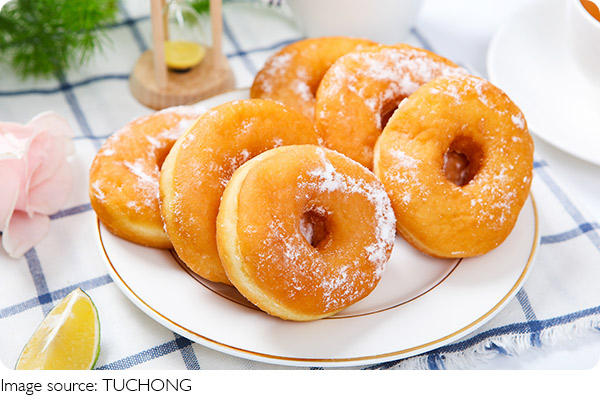
Fresh doughnuts taste best the day you make them, especially within a few hours of frying, while the outside still has a light finish and the inside stays soft. If you're planning your first batch, keep your thermometer nearby, fry in small rounds, and trust the second rise. So if you want doughnuts that feel light instead of dense, pay closest attention to the dough softness, the 350 F oil, and that short 1 minute per side fry.