Cabbage Rolls That Hold

Kwame Johnson
27-08-2026
 · Food Team
Hello, everyone. Cabbage rolls sound fussy, but they're really a home-cook dish once you get two things right: the leaves and the fold.
If your rolls keep opening in the cooking vessel, the problem usually starts before you even add the filling. The leaf is either too stiff, the filling is too loose, or the seam never gets tucked underneath.
Get those parts sorted, and you can make a batch that stays together from the first roll to the last one.
The leaf needs softening
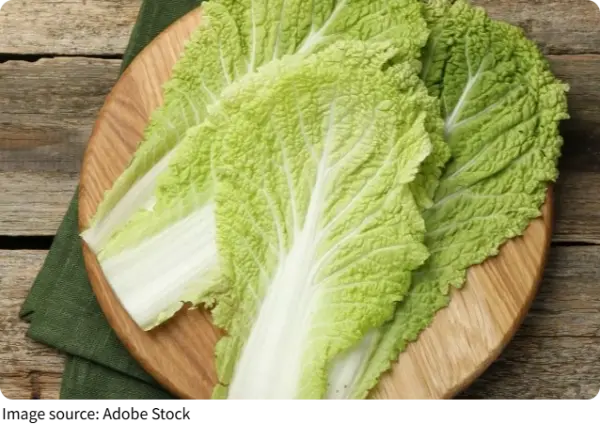
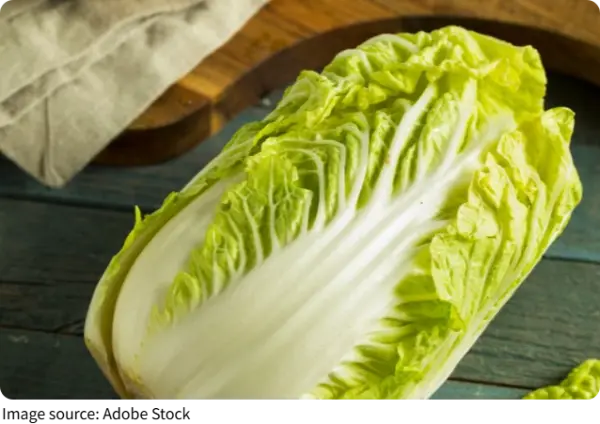
You do not start by rolling, you start by making the cabbage workable. Use 1 head of cabbage, then separate 10 to 12 large outer leaves. Bring water to a boil and blanch the leaves for about 2 minutes, just until they turn soft and flexible. If the thick stem at the base still feels hard, trim that raised part down with a blade so the leaf lies flatter. That one small step matters, because a bulky stem pushes the roll open while cooking. If you try to wrap filling in a raw leaf, especially a broad leaf with a thick center rib, it will spring back and loosen.
Crisp herbs, citrus, and a simple dressing keep avocado salad light instead of heavy.
Fresh basil, lemon, sugar, and ice come together in a cold, bright drink you can make fast.
No pie pan? No problem! This rustic strawberry galette comes together so easily!
Simple ways to choose apples and pears that are fresh, crisp, and full of flavor
How ripeness changes lycopene levels, and what to check before you bring tomatoes home
Get the water hot enough, time it properly, and your cup tastes clean instead of harsh.
The filling should stay compact
A good roll does not start with a watery filling. Mix 300 grams ground chicken, 1 small carrot finely chopped, 1 small onion finely chopped, 1 tablespoon light soy sauce, 1 tablespoon oyster sauce, 1 egg, 2 grams salt, and a little chopped scallion and ginger. Stir in one direction until the mixture gets sticky and holds together. That sticky texture is what helps the filling stay in one piece instead of breaking apart inside the leaf. If you leave the mixture loose, or if the vegetables are cut too large, the roll gets lumpy and the edges do not seal neatly.
The fold is what stops loosening
Lay one softened cabbage leaf flat and place a moderate amount of filling near the stem end, not in the center of the whole leaf. Do not overfill it. About 1 to 2 tablespoons is enough for a medium leaf. Fold the left and right sides inward first, then roll forward from the stem end to the tip, keeping it snug as you go. The final edge should sit underneath the roll. That underside seam is the part that keeps it closed in the pan. If a leaf is torn, overlap the torn section slightly before rolling, or use a second small piece of leaf to patch the gap around the filling.
Cooking gently keeps shape
Set the rolls seam-side down in a pan or steamer so they are tucked in place from the start. In this method, place the cabbage rolls on a plate and steam them for about 20 minutes. After steaming, pour over a sauce made from 2 tablespoons tomato sauce, 1 tablespoon starch, half a bowl of water, and a little salt, then cook the sauce until slightly thick before serving. A hard boil can knock the rolls around and make them open, especially if your wrapping was already a bit loose. Gentle steaming gives you a steadier result, and the thickened sauce helps coat the outside instead of running off.
One easy fix for beginners
Most people think the hard part is seasoning, but for cabbage rolls it's actually restraint. Do not pack in too much filling. A leaf that looks big before blanching shrinks and softens after heat, and that changes how much it can hold. If you're just starting, make your first few rolls smaller. Smaller rolls are easier to tighten, easier to place seam-side down, and less likely to split. You can also chill the mixed filling for 10 to 15 minutes before wrapping if it feels soft. A colder filling is easier to shape into a short log, and that makes the roll cleaner from the start.
Once you understand why cabbage rolls fall apart, the fix is pretty straightforward. Soften the leaves, trim the thick stem, keep the filling sticky, and roll with the seam tucked underneath. Then cook them gently, not aggressively. So next time you make cabbage rolls at home, you won't be guessing why they opened up, you'll know exactly which step keeps them together.