Picking Fresh Tomatoes

Arjun Mehta
26-08-2026
 · Food Team
Welcome to today's article. Most people pick tomatoes by color alone, but that misses half the story.
If you want a fresh tomato that tastes good and gives you more lycopene, you need to pay attention to ripeness, feel, and the way the fruit finished maturing.
According to the USDA, tomatoes are a good source of vitamin C and lycopene. Studies have shown that diets rich in tomatoes may support heart health and reduce the risk of certain chronic diseases.
Color tells part
A tomato usually shifts from green to red as it ripens, but the useful detail for you is what happens inside during that change. Lycopene is the red carotenoid pigment that gives many tomatoes their red color, and its level rises as the fruit matures. In red varieties, a deeper, even red color usually signals a more mature tomato with more lycopene than a pale or partly green one. That does not mean every tomato should be dark red, because some named varieties, such as yellow pear or green zebra, naturally ripen to other colors. You need to judge each type by its normal mature color, not by a single rule for every tomato.
Get the water hot enough, time it properly, and your cup tastes clean instead of harsh.
Sweet homemade peach jam is ready to spread! Would you make a batch?
Got fresh strawberries? Make this sweet, vibrant jam from scratch! No pectin needed!
What If the Easiest Summer Treat Was Just Watermelon, Honey, and Lemon? These Pops Are Cool, Fresh, and Ready in Hours!
A fresh, simple salad with crisp vegetables, feta, olives, and a bright homemade dressing
A soft cocoa cake wrapped around creamy filling—could this be your next favorite dessert?!
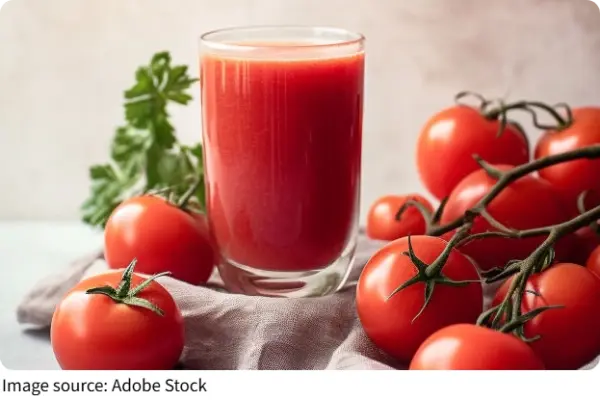
Ripeness changes the content
People often assume a firmer tomato is the fresher choice, but a very hard tomato is often less mature. As tomatoes ripen, chlorophyll breaks down and carotenoids build up, including lycopene. That means a mature red tomato generally contains more lycopene than one picked earlier while still green. This is why vine-ripened tomatoes are often preferred for eating fresh. If a tomato was harvested too early and stayed pale inside, you may get a decent appearance on the outside but less developed flavor and lower red pigment content in the flesh.
Touch matters quickly
A good fresh tomato should feel firm but not hard. When you press it lightly, it should give just a little. If it feels soft around the stem end, has wet spots, or collapses under light pressure, it is moving past the point where texture is pleasant for slicing or eating raw. On the other hand, if it feels very rigid and the skin looks glossy in a flat, undeveloped way, it may have been picked before full maturity. You can also check the skin for cracks, bruises, and wrinkling. Smooth skin and a solid shape usually mean the tomato has kept its moisture better.
Stem and smell help
You do not need lab equipment to judge a tomato. Smell the stem end if it is still attached. A ripe tomato often has a clear, green, tomato scent there, while an under-ripe one has very little aroma. The stem scar should look clean, not moldy or leaking. Size is less useful than people think. A smaller roma tomato can be fully ripe and flavorful, while a large beefsteak can still be immature in the center. What helps more is consistency, even color for the variety, and a balanced weight for its size. If it feels heavy in your hand, that usually means it is holding water well and has not dried out.
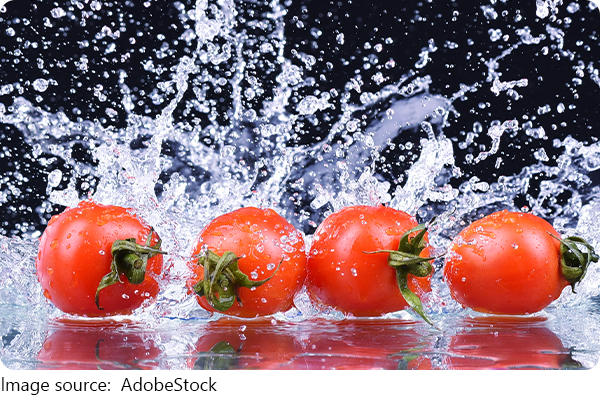
Tomatoes keep changing after harvest, but not in the same way as fruit that fully develops sugar and flavor off the plant. If you want fresh tomatoes for salads, sandwiches, or cutting into wedges, choose ones that have reached their proper mature color, feel slightly yielding, and smell alive at the stem end. For lycopene, maturity matters because red pigment builds as the tomato ripens. So next time you shop, do not stop at bright color, check the feel, the scent, and whether the tomato actually seems ready to eat.