Black Tea Done Right

Declan Kennedy
26-08-2026
 · Food Team
Hi there. Black tea seems simple, but the small details change your cup fast.
You can toss a tea bag into hot water and get something drinkable, but if you want a clean, full taste instead of a flat or bitter one, water temperature and steeping time matter right away. A strong Assam and a lighter Darjeeling do not behave the same way, and that's exactly why paying attention for just a few minutes makes such a noticeable difference.
Hot water does matter
Black tea usually needs near-boiling water, not lukewarm water that barely sends up steam. The useful range is about 200 to 212 degrees Fahrenheit, because black tea leaves are fully oxidized and need that higher heat to release their flavor properly. If your water is much cooler, the cup often tastes thin, and you'll notice it quickly with teas such as English Breakfast, which can come out dull instead of brisk. If you've just boiled the water, letting it sit briefly is fine, but don't let it cool so much that the tea loses strength before it even starts steeping.
Sweet homemade peach jam is ready to spread! Would you make a batch?
Got fresh strawberries? Make this sweet, vibrant jam from scratch! No pectin needed!
What If the Easiest Summer Treat Was Just Watermelon, Honey, and Lemon? These Pops Are Cool, Fresh, and Ready in Hours!
A fresh, simple salad with crisp vegetables, feta, olives, and a bright homemade dressing
A soft cocoa cake wrapped around creamy filling—could this be your next favorite dessert?!
A bright, simple spinach soup with fresh flavor, easy steps, and a cozy bowl you can make any day.
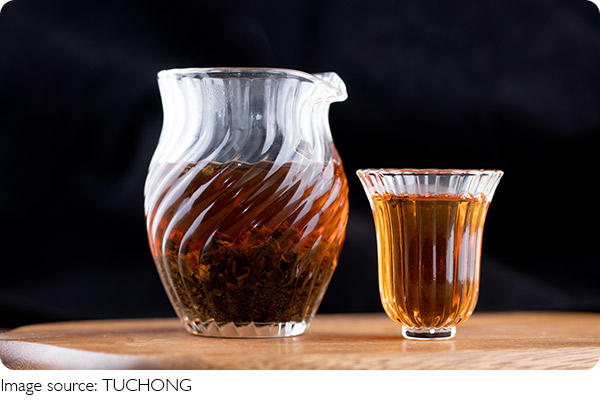
Time changes the cup fast
A quick dunk feels convenient, but black tea needs enough contact time to build body. A good target is 3 to 5 minutes, and where you land in that window depends on the tea you're brewing. Darjeeling often does better around the shorter end, because its flavor can turn sharp if you leave it too long. Assam and breakfast blends can handle the longer side, especially if you want a fuller cup for milk. Go much past that point and you pull out more bitterness and a drying finish that stays on your tongue longer than the pleasant flavor does.
Leaf size shifts the pace
Not all black tea releases flavor at the same speed. Broken-leaf tea and many tea bags brew faster because the smaller pieces expose more surface area to the water. Whole-leaf teas usually need a little more patience. You can notice this easily if you compare a standard breakfast tea bag with a loose-leaf Keemun. The bag often reaches a strong cup in a few minutes, while the loose leaves open more gradually and keep the flavor clearer. That means you shouldn't use one fixed steeping time for every tea in your kitchen and expect the same result.
Your setup affects flavor too
The tea itself gets most of the attention, but the cup and the water ratio matter too. If you use too little tea in a large mug, stretching the steep time won't really fix it, it usually just makes the brew harsher. A common starting point is 1 teaspoon of loose black tea per 8 ounces of water, or 1 tea bag for a standard cup. Fresh water also helps. Water that has been boiled over and over can give you a flatter result, and that's easier to notice in a plain black tea than in heavily flavored blends.
Small fixes prevent bad cups
Most bad black tea comes from two habits, water that isn't hot enough and steeping that goes on too long. If your tea tastes weak, don't just leave the bag in forever. Use hotter water or a bit more tea. If it tastes rough and drying, shorten the time first, especially with a delicate tea such as Darjeeling. If you add milk, brew slightly stronger from the start instead of trying to rescue a weak cup afterward. And once the tea reaches the taste you want, remove the leaves or bag so extraction stops there.

Black tea doesn't ask for much, but it does reward attention. Use near-boiling water, keep steeping in that 3 to 5 minute range, and adjust based on the specific tea in front of you, whether that's Assam, Darjeeling, Keemun, or a breakfast blend. After a cup or two, you'll notice the pattern and make quicker choices without guessing. So next time you brew black tea, give those two details, heat and time, a real look, and your cup will come out much closer to what you actually wanted.