Pick Sweet Apples Pears

Liam Reilly
26-08-2026
 · Food Team
Welcome back. A lot of people buy apples and pears by color alone, but that usually tells you less than you think.
If you want fruit that tastes fresh and sweet, you need to check a few specific details instead, especially the skin, the firmness, and the scent near the stem.
According to the USDA, apples and pears are rich in dietary fiber and vitamin C, and studies have shown that regular fruit consumption may support heart health and overall wellness.
Color helps, but not alone
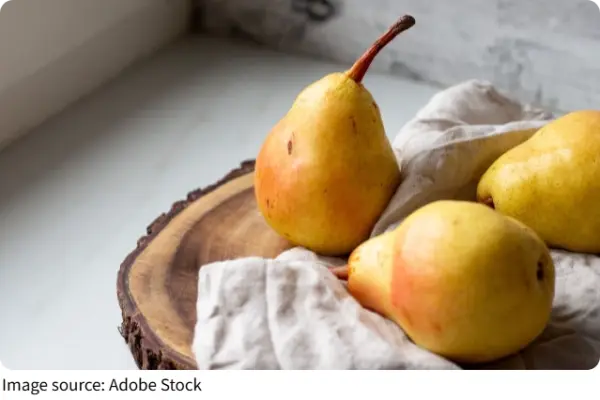
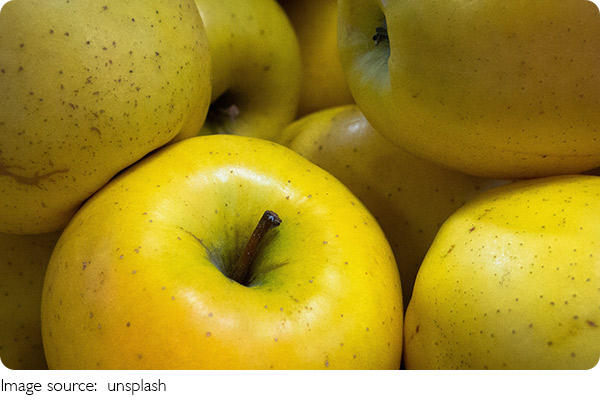
With apples, you should look for strong, even color that fits the variety you're buying. Red Delicious should look deeply red, while Granny Smith should stay bright green. But color by itself does not tell you the whole story, because some apples naturally have stripes, blush, or mixed tones. Pears are even trickier. A Bartlett pear changes from green to yellow as it ripens, but a Bosc pear keeps its brownish skin, so you cannot judge every pear by the same color rule. What you want is fruit that looks vibrant for its type, not dull or faded.
How ripeness changes lycopene levels, and what to check before you bring tomatoes home
Get the water hot enough, time it properly, and your cup tastes clean instead of harsh.
Sweet homemade peach jam is ready to spread! Would you make a batch?
Got fresh strawberries? Make this sweet, vibrant jam from scratch! No pectin needed!
What If the Easiest Summer Treat Was Just Watermelon, Honey, and Lemon? These Pops Are Cool, Fresh, and Ready in Hours!
A fresh, simple salad with crisp vegetables, feta, olives, and a bright homemade dressing
Firmness tells you plenty
A lot of fruit looks fine from a distance, but your hand gives you better information. Apples should feel firm and solid all over. If you press gently near the sides and the fruit gives way, that usually means it is getting old. Pears work a bit differently. You do not squeeze the whole pear hard. Instead, press gently near the neck, right by the stem. If that area gives slightly, the pear is ripe and ready. If it feels very hard, give it time. If it feels soft in several spots, you're past the good window.
Skin gives away freshness
You can spot tired fruit pretty quickly once you know what to check. With apples, avoid bruises, cuts, soft spots, and wrinkled skin. Smooth, tight skin is a better sign of freshness. Pears can have some natural russeting, especially Bosc, so a rougher surface is not always a problem. What matters more is whether the skin looks damaged or badly bruised. Small marks can happen during handling, but large dark spots and collapsed patches usually mean the texture inside will be disappointing.
Scent matters more than expected
Most people do not smell fruit before buying it, but you should. A ripe apple often has a clean, fresh smell, especially near the stem end. Pears are even easier to read this way. A ripe Bartlett or Anjou usually gives off a sweet smell at the stem. If there is no scent at all, the fruit may need more time. If the smell seems overly strong and the fruit is soft too, it is probably too far along.
Know how pears ripen
Apples are usually sold ready to eat, but pears are often sold before they fully ripen. That catches a lot of people off guard. A pear can feel firm in the store and still be a good buy if you plan ahead. You can leave it at room temperature for a few days, then check the neck for a slight give. Bartlett pears show this shift clearly because their skin turns more yellow as they ripen. Bosc and Anjou pears change less on the outside, so touch matters more than color.
If you want sweeter, fresher fruit, do not rush and grab the first shiny one in the bin. Check the variety, look at the skin, feel for firmness, and smell near the stem. Those small steps make a real difference when you get home and take that first bite. So next time you're standing in front of apples and pears, trust your eyes less and your hands and nose more.