Peach Nutrition Guide

Camille Dubois
27-08-2026
 · Food Team
Hello, friends. Peaches often get treated as just a sweet summer fruit, but they give you more than soft texture and juice.
A medium peach, about 150 grams, brings around 58 calories, 14 grams of carbs, 1 gram of protein, less than 1 gram of total lipid, 2 grams of fiber, and 13 grams of sugar. You also get vitamin C, vitamin A, potassium, niacin, vitamin E, vitamin K, copper, and manganese in smaller but useful amounts.
The practical part for you is simple, a peach can fit into breakfast, a snack, or dessert without much effort, and the fiber in that 150 gram serving gives it more substance than candy or a sweet drink.
According to the USDA, a medium peach is a good source of vitamin C, vitamin A, and dietary fiber, making it a nutritious choice for daily meals.
A simple home method for cabbage rolls that stay tight, cook evenly, and do not fall apart
Crisp herbs, citrus, and a simple dressing keep avocado salad light instead of heavy.
Fresh basil, lemon, sugar, and ice come together in a cold, bright drink you can make fast.
No pie pan? No problem! This rustic strawberry galette comes together so easily!
Simple ways to choose apples and pears that are fresh, crisp, and full of flavor
How ripeness changes lycopene levels, and what to check before you bring tomatoes home
Small fruit, useful nutrients
Peaches sound simple, but their nutrient mix is fairly broad. One medium peach gives about 17% of the daily value for vitamin C and about 10% for vitamin A. It also contains about 8% of the daily value for potassium, plus smaller amounts of niacin, vitamin E, vitamin K, copper, and manganese. If you are choosing fruit for everyday eating, those details matter. Vitamin C is one reason peaches get linked with immune support, and potassium is one reason they fit well into a balanced eating pattern. Fresh and canned peaches can both provide nutrients, but fresh peaches usually give you the most straightforward option if you want the fruit without extra syrup.
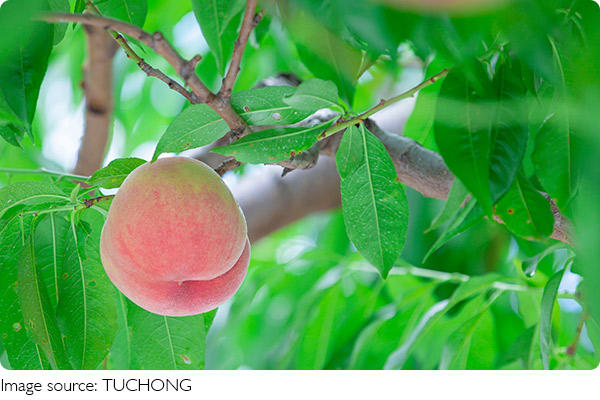
Fiber does more than sweetness
A peach tastes sweet first, but the useful part is not just the sugar. That same medium fruit gives you about 2 grams of fiber, and that is one reason peaches are commonly tied to digestive support. The source also notes that peaches contain compounds with antioxidant activity, including polyphenols and carotenoids. For you, that means a peach offers more than quick sweetness from its 13 grams of sugar. The peel matters here too. A lot of the fiber and some of the antioxidant compounds are concentrated in or near the skin, so if your peach is clean and ready to eat, keeping the peel on gives you more from the fruit.
Fresh peaches have extra value
You might expect the nutrition story to stop at vitamins, but peaches also contain plant compounds that have been studied for their broader health effects. Examples include chlorogenic acid, catechins, and carotenoids. Research discussed in the source links these compounds to antioxidant and anti-inflammatory activity. Peaches also contain prebiotics, which can help support beneficial bacteria in your gut. That does not mean peaches function as a medical fix, and it is better to keep the claim grounded than stretch it. What you can say with confidence is that a whole peach gives you fiber plus naturally occurring plant compounds in one easy serving.
Picking ripe peaches is mostly touch
A peach can look colorful and still be unripe, but your hand usually tells you more than your eyes. When you choose one, press gently near the stem end. A ripe peach should give slightly, not stay hard and not collapse. Very firm fruit usually needs more time. Strong green tones around the stem often mean it was picked too early, while a golden or creamy background color is a better sign. Smell helps too. A ripe peach often has a clear, sweet scent, especially near the stem. If there is no aroma at all and the fruit feels hard, it probably needs a day or two on the counter. Avoid peaches with bruised spots, shriveled skin, or soft wet patches, because those are signs the fruit is already passing its good eating stage.
Ripen them the easy way
If you bring home peaches that are still firm, do not put them straight into the refrigerator. Leave them at room temperature until they soften slightly and develop a fuller smell. If you want to speed things up, place them in a paper bag for a day or two. Once ripe, you can move them to the refrigerator to slow further softening, but they are usually nicest when eaten soon after they reach that point. You can slice peaches into oatmeal, spoon them over plain yogurt, or add them to a fruit bowl with berries and grapes. If you want a simple swap, use peaches in places where you might normally use plums or nectarines, since the texture and sweetness work in similar ways.
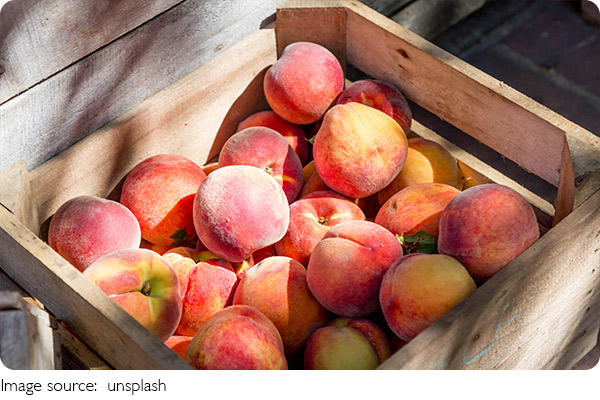
Peaches are easy to underestimate, but the details are solid. You get fiber, vitamin C, vitamin A, potassium, and a mix of plant compounds from one medium fruit, and you can avoid unripe ones by checking for gentle give, a sweet smell, and a warm background color near the stem. So next time you are standing in front of a pile of peaches, trust your hands and your nose, and you will give yourself a much better shot at bringing home fruit that is ready to eat.