Kids' Health & Stretching

Santosh Jha
25-08-2026
 · Information Team
Stretching can be a simple way to support healthy movement during childhood.
Gentle exercises help children explore comfortable movement, maintain flexibility, and develop awareness of how their bodies move.
As part of an active lifestyle, stretching can complement play, exercise, and other age-appropriate activities.
Supports Flexibility
Flexibility allows the body to move comfortably through an appropriate range of motion. Gentle stretching can help children maintain flexibility for everyday movements and physical activities.
This can be useful when reaching, bending, turning, jumping, running, or changing direction.
Develops Body Awareness
Stretching encourages children to pay attention to their movements and recognize what feels comfortable. This can help them learn to move with greater control during exercise and play.
How proper handwashing removes germs and helps protect children from infections
Learn how proper brushing and daily dental care help protect children from cavities
Understanding how our planet is warming and what it means for every corner of our lives and the world we share.
Fun and Educational Toothbrushing Activities for Healthy Dental Habits
How outdoor adventures can support children's physical activity, well-being, practical skills, and family connection
How to Set Up a Child’s Desk and Chair for Healthy, Comfortable Posture
Children do not need complicated routines. A few simple movements performed slowly and comfortably can provide an appropriate introduction to stretching.
Complements Physical Activity
Stretching is one part of children's overall physical fitness. A well-rounded routine should also include activities that develop endurance, strength, coordination, balance, and other movement skills.
“Children and adolescents should do at least an average of 60 minutes per day of moderate- to vigorous-intensity, mostly aerobic, physical activity, across the week.” — World Health Organization.
This recommendation highlights the importance of regular physical activity alongside activities such as stretching. Activities should be varied, enjoyable, and appropriate for the child’s age and abilities.
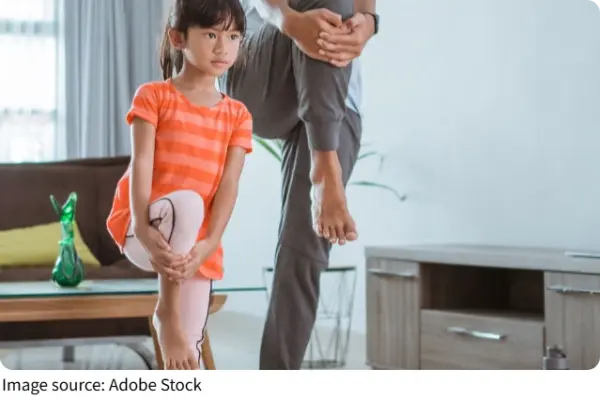
Promotes Controlled Movement
Children can benefit from learning to move gradually rather than forcing their bodies into extreme positions. Gentle stretching provides an opportunity to practice controlled movements and comfortable ranges of motion.
Stretching can be included alongside other activities, but it should not be viewed as a guarantee against injuries.
Easy Stretches for Kids
A simple routine may include:
- Reaching both arms overhead
- Bringing one arm gently across the body
- Reaching from side to side while standing
- Performing a gentle calf stretch
- Stretching the thighs or hips comfortably
- Slowly reaching toward the legs
- Making gentle shoulder movements
Movements should be slow and controlled. Children should not bounce, force a position, or compete to stretch farther than others.
Keep Every Stretch Comfortable
A gentle stretch may produce mild tension, but it should not hurt. Children should stop if they experience sharp pain, significant discomfort, dizziness, or other unusual symptoms.
Children recovering from an injury or living with a medical or physical condition may require individualized exercise guidance from a healthcare professional.
Build Healthy Movement Habits
Stretching is most beneficial when combined with regular physical activity. Active play, walking, running, cycling, dancing, swimming, and sports allow children to develop different physical abilities while keeping movement enjoyable.
Encouraging varied activities from an early age can help children develop a positive relationship with regular movement.
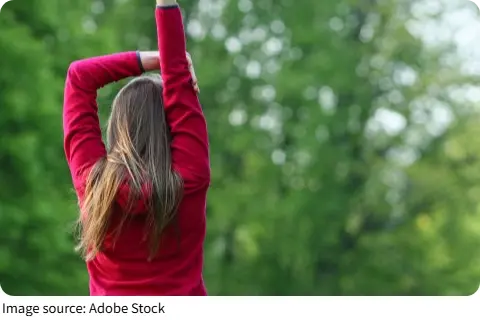
Gentle stretching can support children's flexibility, body awareness, and movement control. It is not a substitute for exercise but can complement an active routine that includes a variety of age-appropriate activities.
The emphasis should remain on comfort, control, and enjoyment. By making movement a natural part of everyday life, parents can help children develop healthy physical activity habits as they grow.