Climate Change Science

Chandan Singh
25-08-2026
 · Information Team
The conversations around our changing climate can feel overwhelming, but understanding what's really happening helps us see where we stand and what we can do.
Climate change is harming health, livelihoods, infrastructure, ecosystems, and biodiversity.
These aren't distant worries anymore. They're unfolding right now, touching lives across every continent and community.
What's Driving the Change
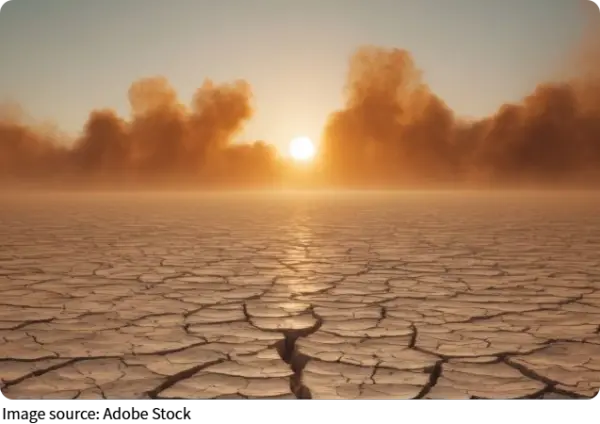
The rapid warming observed since the industrial era is primarily caused by greenhouse gas emissions from human activities. Carbon dioxide (CO₂), methane (CH₄), nitrous oxide (N₂O), and halocarbons trap heat in the atmosphere and contribute to warming. Other atmospheric particles, including some aerosols, can have a cooling effect.
Fun and Educational Toothbrushing Activities for Healthy Dental Habits
How outdoor adventures can support children's physical activity, well-being, practical skills, and family connection
How to Set Up a Child’s Desk and Chair for Healthy, Comfortable Posture
How regular movement supports children's growth, fitness, learning, and well-being
Recommended Sleep Hours, Benefits, and Practical Tips for Better Rest
Hackers Are Getting Smarter Every Day — Here's the Digital Security System That Keeps You Safe
Since the pre-industrial period, the overall effect of human activities on Earth's energy balance has been strongly positive, with rising concentrations of CO₂ being the largest contributor to long-term warming.
Human influence has also accelerated dramatically in recent decades. The vast majority of human-caused greenhouse gas emissions have occurred since the mid-20th century, helping drive the rapid temperature rise observed today.
How We Know It's Real
Scientists have studied global warming for more than 100 years. Thousands of experts have tested hypotheses, gathered evidence, constructed models, debated results, and reviewed one another's work. This isn't guesswork or opinion. The global average temperature has increased by more than 1.5°F since the late 1800s. Some regions of the world have warmed by more than twice this amount. The data paints a clear picture, one that's impossible to ignore.
The Ripple Effects We're Seeing
Effects that scientists had long predicted would result from global climate change are now occurring, such as sea ice loss, accelerated sea level rise, and longer, more intense heat waves. Warmer temperatures increase the frequency, intensity, and duration of heat waves, which can pose health risks, particularly for young children and the elderly. Meanwhile, rising sea levels threaten coastal communities and ecosystems.
The natural world is shifting too. Shifts in ecosystem characteristics, like the length of the growing season, timing of flower blooms, and migration of birds reveal how deeply these changes run. As oceans absorb more carbon dioxide, they become more acidic. This can harm marine ecosystems and the people and economies that rely on them.
Health and Daily Life
Climate change can also impact human health by worsening air and water quality, increasing the spread of certain diseases, and altering the frequency or intensity of extreme weather events. Drought can harm food production and human health. Flooding can lead to spread of disease, death, and damage ecosystems and infrastructure. These impacts don't discriminate. They reach into homes, communities, and countries everywhere.
Looking ahead feels heavy sometimes, but understanding the science helps us respond with clarity instead of panic. We've lost precious time, but if we act now (decisively and dramatically) we still have a chance at avoiding climate change's most catastrophic impacts. Every choice we make, from how we travel to what we support with our voices and votes, contributes to the bigger picture. This moment asks something of all of us, and together, we can shape what comes next.