Kids' Brushing Activities

Elena Rossi
25-08-2026
 · Information Team
Healthy dental habits begin during childhood. Making toothbrushing enjoyable can help toddlers and preschoolers become familiar with this important daily routine while learning practical skills.
Simple games, demonstrations, songs, and age-appropriate choices can turn brushing into an engaging learning experience.
Why Toothbrushing Matters
Brushing removes plaque and food particles from the teeth. Regular plaque removal helps reduce the risk of tooth decay and gum disease. Introducing consistent brushing habits early also helps children develop skills they can continue using as they grow.
Establish a Simple Routine
A predictable schedule can help children understand what to expect. Toothbrushing should be part of the morning and bedtime routines.
How outdoor adventures can support children's physical activity, well-being, practical skills, and family connection
How to Set Up a Child’s Desk and Chair for Healthy, Comfortable Posture
How regular movement supports children's growth, fitness, learning, and well-being
Recommended Sleep Hours, Benefits, and Practical Tips for Better Rest
Hackers Are Getting Smarter Every Day — Here's the Digital Security System That Keeps You Safe
The Advanced Signals That Reveal Whether a Trend Will Last or Fall Apart
“The consensus recommendation is for people to brush their teeth for two minutes twice a day with a toothbrush that has soft bristles.”- American Dental Association.
A practical routine includes:
- Brushing twice a day.
- Using fluoride toothpaste in an age-appropriate amount.
- Brushing for about two minutes each time.
- Supervising younger children and helping them when needed.
A consistent schedule can gradually make brushing a familiar part of everyday life.
Turn Brushing Into a Game
Playful activities can make the routine more appealing without taking attention away from effective brushing. Children can pretend their toothbrush is exploring different teeth or searching for tiny pieces of leftover food.
A short song, timer, or brushing rhyme can also help children understand the recommended brushing time. The activity should support good technique rather than turn brushing into a competition.
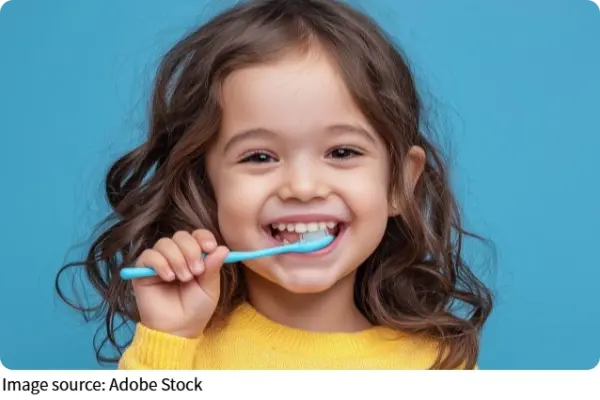
Demonstrate Brushing Skills
Children often learn new skills by watching and copying. Parents and caregivers can demonstrate gentle brushing movements and show how to reach the front, back, and chewing surfaces of the teeth.
The child can then practise the movements with guidance. Younger children may still need assistance because they are developing the coordination required for thorough brushing.
Encourage Age-Appropriate Participation
Small choices can give children a sense of involvement. Depending on their age, they can select a toothbrush, choose a brushing song, or help place the appropriate amount of toothpaste on the brush.
Giving children limited choices keeps the routine structured while allowing them to participate actively.
Make Dental Learning Fun
Learning can continue outside brushing time through drawing, picture books, matching activities, and simple conversations about teeth.
Caregivers can ask:
- “Why do we brush our teeth?”
- “Which parts of your teeth need cleaning?”
- “Can you show me how you brush your back teeth?”
- “Why is it important to keep our teeth clean?”
These questions help children understand the purpose of their daily routine.
Use Fluoride Toothpaste Correctly
Fluoride toothpaste helps prevent tooth decay. The appropriate amount depends on age. Children younger than 3 years should use a smear approximately the size of a grain of rice. From 3 to 6 years, a pea-sized amount is recommended.
Children should be encouraged to spit out excess toothpaste rather than swallow it. Younger children should be supervised during brushing so caregivers can help them use the correct amount and brush effectively.
Encourage Positive Progress
Children do not need to master brushing immediately. Positive encouragement can recognize their effort, participation, and growing ability.
Caregivers can praise specific actions, such as remembering the routine or reaching different areas of the teeth. A calm approach can help children become more comfortable with the activity.
Support Professional Dental Care
Daily brushing is an important part of children's dental care, but professional care also has a role. Dental professionals can monitor tooth development, assess individual needs, and provide personalized recommendations.
Children can also learn about other habits that support healthy teeth, including balanced eating patterns, suitable drink choices, and cleaning between teeth when recommended.
Toothbrushing activities for kids can transform a daily health task into an enjoyable opportunity to learn. Games, demonstrations, songs, and simple choices can help children develop practical brushing skills while building confidence in their routine. With consistent guidance, appropriate fluoride toothpaste, and professional dental care, children can establish healthy habits that support their teeth throughout childhood.