Handwashing and Kids' Health

Pankaj Singh
25-08-2026
 · Information Team
Handwashing is one of the simplest ways children can reduce the spread of germs.
Throughout the day, their hands come into contact with toys, surfaces, food, and their face, creating many opportunities for microorganisms to spread.
Washing with soap and clean running water helps remove dirt and germs before they can be transferred to the body, other people, or shared objects. Teaching this skill early can make good hand hygiene a natural part of a child's daily routine.
How Germs Reach the Body
Germs can get onto children's hands when they touch shared surfaces, cough or sneeze, use the toilet, handle waste, or interact with animals. Touching the eyes, nose, mouth, or food afterward can give microorganisms an opportunity to enter the body.
Learn how proper brushing and daily dental care help protect children from cavities
Understanding how our planet is warming and what it means for every corner of our lives and the world we share.
Fun and Educational Toothbrushing Activities for Healthy Dental Habits
How outdoor adventures can support children's physical activity, well-being, practical skills, and family connection
How to Set Up a Child’s Desk and Chair for Healthy, Comfortable Posture
How regular movement supports children's growth, fitness, learning, and well-being
Because children regularly share spaces and objects with others, hand hygiene is particularly important at home, school, childcare settings, and during outdoor activities.
How Handwashing Reduces Germs
Soap helps loosen dirt, oils, and microorganisms from the skin. Rubbing spreads the soap across the hands, while rinsing carries loosened material away.
“Washing your hands regularly with soap and water is one of the most important and most basic steps keeping safe from COVID-19 and many other pathogens.” — Dr Tedros Adhanom Ghebreyesus, World Health Organization.
This process reduces the number of germs available to spread through touch. Although handwashing cannot prevent every infection, it is an effective everyday measure for limiting the transfer of microorganisms.
When Children Should Wash Their Hands
Children should wash their hands at important points during the day, especially:
- Before eating or handling food
- After using the toilet
- After coughing, sneezing, or blowing the nose
- After playing outdoors
- After touching animals
- After handling waste
- When the hands are visibly dirty
- After caring for someone who is unwell
Linking these situations with handwashing helps children understand when the habit is most important.
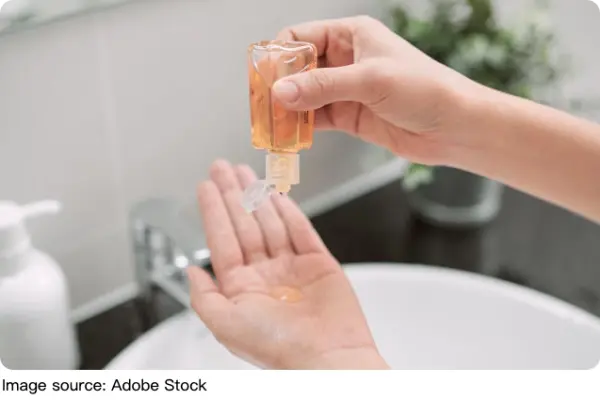
How to Wash Hands Properly
A thorough handwashing routine includes these steps:
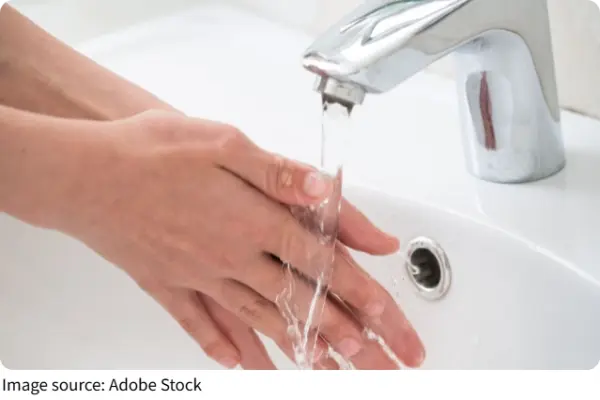
1. Wet the hands with clean, running water.
2. Apply soap.
3. Rub the hands together thoroughly.
4. Clean the palms, backs of the hands, between the fingers, fingertips, and around the nails.
5. Continue rubbing for at least 20 seconds.
6. Rinse thoroughly under clean, running water.
7. Dry the hands with a clean towel or allow them to air dry.
Younger children may need supervision until they can perform the routine consistently and reach all areas of their hands.
Why Soap Matters
Water alone can remove some dirt and microorganisms, but soap improves the process by helping loosen substances from the skin. Thorough rubbing and rinsing then help remove them.
For this reason, children should learn that effective handwashing involves soap, careful rubbing, rinsing, and drying rather than simply putting their hands under running water.
Turning Handwashing Into a Habit
Children learn well through repetition and predictable routines. Parents and caregivers can connect handwashing with everyday activities such as arriving home, preparing food, eating, using the toilet, and finishing outdoor play.
Adults can demonstrate the technique, give gentle reminders, and make sure children clean all parts of their hands. A short song or timer can also help younger children understand how long to wash without making the routine feel difficult.
When Soap and Water Are Not Available
When soap and clean running water are unavailable, a hand sanitizer containing at least 60% ethanol or isopropanol can be used when appropriate.
Young children should be supervised during use to reduce the risk of swallowing the sanitizer or getting it in their eyes. It should also be stored safely when not in use.
Soap and water are preferable when hands are visibly dirty or greasy because sanitizer may not remove these substances as effectively.
Other Hygiene Practices
Hand hygiene is one part of a broader approach to reducing the spread of germs. Children can also learn to cover coughs and sneezes, avoid unnecessary touching of the face, keep frequently used items clean, and follow appropriate hygiene practices when they are unwell.
These simple behaviors work together by reducing opportunities for microorganisms to move between people and their surroundings.
Proper handwashing gives children a practical way to reduce the spread of germs and support everyday infection prevention. Using soap, rubbing all areas of the hands for at least 20 seconds, rinsing thoroughly, and drying properly are the foundations of effective hand hygiene. With regular practice and age-appropriate guidance, children can develop a reliable skill that supports healthier routines wherever they spend their day.