Desert Camel Adventures

Sofia Alvarez
01-06-2026
 · Lifestyle Team
Hey Lykkers, have you ever wondered how people travel across vast sandy lands where roads are rare and temperatures can shift quickly?
Today, we take a closer look at one of nature’s most remarkable long-distance travelers—the camel.
Often called the "ship of the desert," this animal plays a vital role in helping people move across dry regions with surprising ease and stability. Let’s discover why it is so special through its strength, movement, and unique body design.
Strong Carrying Ability Across Wide Lands
One of the most impressive features of camels is their ability to carry heavy loads over long distances. A fully grown camel can carry several hundred kilograms while still moving steadily across sandy ground. This makes it an essential partner for transporting goods in areas where other transport methods are limited.
Grey-toned layering guide to enhance white and silver hair through contrast, balance, and refined styling
Science suggests reduced book reading may weaken focus, comprehension, and empathy.
Improve fitness, strength, mental wellbeing, and long-term health through cycling
Busy thoughts all day? Baking may bring calm faster than expected!
Ever snapped sunset and felt confused? Sky drama changes more than expected!
Watered yesterday… still drooping today? The cause may surprise you!
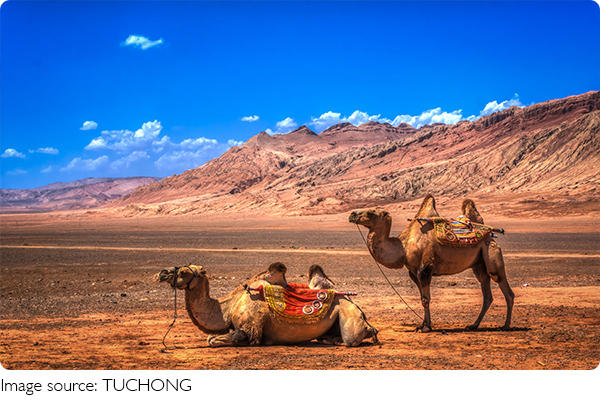
The camel’s body is designed to support this task. One of its most distinctive physical features serves as a reserve that helps sustain the animal during long journeys when food is not readily available. This stored reserve helps the camel maintain strength and endurance over extended periods of travel without frequent stops. This natural adaptation allows camels to remain active and resilient even in challenging surroundings.
Long-Distance Walking with Steady Rhythm
Camels are also known for their impressive walking ability. They can travel long distances in a single day, often covering dozens of kilometers without difficulty. What makes this possible is their steady walking rhythm and body structure.
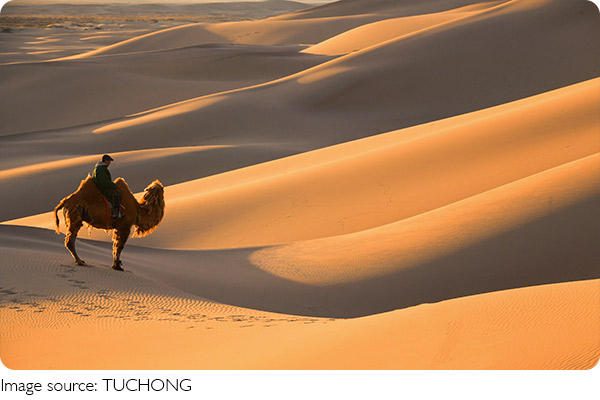
Their long legs help them move efficiently across uneven ground, while their broad feet spread weight evenly so they do not sink into soft sand. Instead of moving quickly, camels keep a calm and steady pace, which helps them conserve energy over time.
Another important factor is their ability to handle high temperatures. Camels can continue moving even when the environment becomes extremely hot during the day, then rest comfortably when temperatures drop at night. This flexibility makes them reliable companions for long journeys across open landscapes.
Body Design Built for Dry Environments
Camels have many physical features that help them adapt to dry and dusty conditions. Their thick coat protects them from both strong sunlight during the day and cooler air at night. This balance allows them to stay comfortable in changing temperatures.
Their eyes are also specially designed. Long eyelashes help reduce the impact of blowing sand, while a transparent protective membrane provides extra protection. In addition, their nostrils can narrow to reduce the entry of dust while still allowing smooth breathing.
Even their feet are adapted for sandy ground. Wide, soft foot pads help them walk without slipping or sinking. Every part of their body works together to support survival in environments where water and vegetation are limited.
A Trusted Partner Through Time and Terrain
For a long time, camels have been closely connected with human travel and trade in dry regions. Their ability to carry supplies, move steadily, and adapt to harsh environments has made them valuable companions across generations.
They are not only strong transport animals but also symbols of endurance and adaptability. By studying camels, we gain a clearer understanding of how living beings can adjust to extreme surroundings through natural design rather than external tools.
Closing Thoughts for Our Journey Together
As we look back at the camel’s abilities, we see a remarkable balance of strength, patience, and adaptation. From carrying loads across wide sandy areas to moving steadily under intense sunlight, every feature plays a role in survival and travel.
So, Lykkers, next time you think about life in dry and open landscapes, consider the camel’s quiet strength. What other animals do you think have equally fascinating adaptations? Feel free to share your thoughts and keep exploring nature’s incredible designs with us.