Tiny Wonders

Pankaj Singh
02-08-2024
 · Animal Team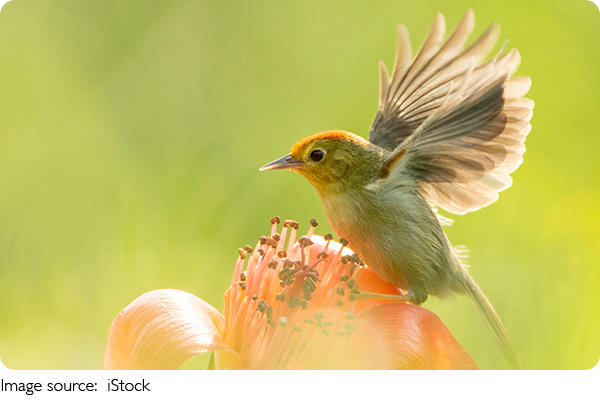
The avian world is filled with an incredible diversity of species, each exhibiting unique characteristics and adaptations.
Among these are some of the smallest birds, whose diminutive size adds to their charm and fascination.
These miniature marvels not only captivate birdwatchers but also play essential roles in their ecosystems. Here, let's explore nine of the smallest birds on Earth, each a testament to nature's intricate design.
1. Bee Hummingbird (Mellisuga Helenae)
Native to Cuba and Isla de la Juventud, the Bee Hummingbird is the smallest bird in the world. Measuring just 5-6 cm (2-2.4 inches) in length and weighing about 1.6-2 grams, this tiny bird is often mistaken for a bumblebee. Despite its size, the Bee Hummingbird is a vibrant spectacle, with males boasting iridescent feathers that shimmer in the sunlight. They primarily feed on nectar, playing a crucial role in pollination.
Nigerian Dwarf goats: tiny, friendly, and versatile pets with high milk production and adaptability.
You probably do not know these interesting facts about the elegant dancer in the lake!
Secret Rabbit Language Revealed! Learn How They Really Communicate!
Birds' amazing strategies to survive and reproduce.
Sandhill Cranes "dye" their feathers with mud to enhance survival and mating success.
From cheetahs to elks, speed shapes survival in nature's race for life, with antelopes leading the charge.
2. Weebill (Smicrornis Brevirostris)
Australia's smallest bird, the Weebill, lives up to its name with a length of around 8-9 cm (3.1-3.5 inches). Weighing just 6 grams, this bird is predominantly found in eucalyptus forests, where it feeds on insects and larvae. The Weebill's high-pitched calls and flitting movements make it a delightful sight for bird enthusiasts.
3. Goldcrest (Regulus Regulus)
The Goldcrest, often regarded as Europe's smallest bird, measures about 8.5-9.5 cm (3.3-3.7 inches) in length and weighs between 4.5-7 grams. Distinguished by a bright yellow or orange crest on its head, this tiny bird is an active insectivore, constantly on the move in search of food. Despite its small size, the Goldcrest is resilient, thriving in various habitats from woodlands to gardens.
4. Pardalote (Pardalotidae)
The Pardalote family, particularly the Spotted Pardalote, includes some of the smallest Australian birds. Measuring about 8-10 cm (3.1-3.9 inches) in length and weighing around 6-11 grams, these birds are known for their striking plumage adorned with spots and streaks. Pardalotes are arboreal, feeding on insects and lerps (a sugary secretion from sap-sucking insects).
5. Costa's Hummingbird (Calypte Costae)
Found in the arid regions of the southwestern United States and Mexico, Costa's Hummingbird is a small but striking species. Males measure around 7.6-8.9 cm (3-3.5 inches) in length and weigh about 2-3 grams. Known for their vibrant purple crown and throat, these hummingbirds are highly territorial, often seen defending their feeding grounds with vigor.
6. Verdin (Auriparus Flaviceps)
The Verdin is a small songbird native to the southwestern United States and northern Mexico. Measuring about 10 cm (4 inches) in length and weighing around 6-8 grams, this bird is easily recognized by its yellow head and gray body. Verdins are adept at surviving in arid environments, building intricate nests to protect against extreme temperatures.
7. Pacific Wren (Troglodytes Pacificus)
The Pacific Wren, found along the western coast of North America, is one of the smallest wrens. It measures approximately 8-12 cm (3.1-4.7 inches) in length and weighs around 8-12 grams. Despite its small size, the Pacific Wren has a powerful voice, often heard delivering complex and melodious songs in dense underbrush and forested areas.
8. Black-Tailed Gnatcatcher (Polioptila Melanura)
Inhabiting the deserts of the southwestern United States and northern Mexico, the Black-tailed Gnatcatcher is a petite bird measuring around 10-11 cm (3.9-4.3 inches) in length and weighing about 5-7 grams. Its slender build and long tail aid in agile movements as it hunts for insects and spiders among the thorny scrub.
9. Elf Owl (Micrathene Whitneyi)
The Elf Owl, the world's smallest owl, inhabits the southwestern United States and Mexico. It measures about 12.5-14.5 cm (4.9-5.7 inches) in length and weighs between 40-42 grams. Despite its small stature, the Elf Owl is a proficient hunter, primarily feeding on insects and small vertebrates. It nests in cavities, often utilizing abandoned woodpecker holes.
Conclusion
These miniature birds, despite their tiny sizes, are big contributors to their ecosystems. From pollinating plants to controlling insect populations, they perform essential ecological roles. Their unique adaptations and behaviors highlight the diversity and complexity of avian life. Observing these tiny wonders offers a glimpse into the intricate beauty of nature, reminding us that even the smallest creatures hold significant value in the tapestry of life.