The Symbiotic Relationship

Amina Hassan
01-07-2024
 · Animal Team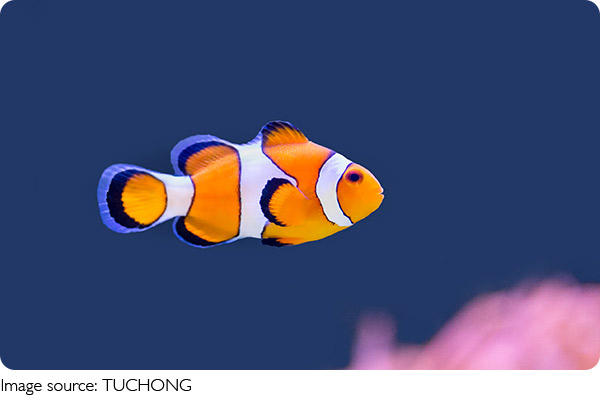
In the vibrant ecosystems of coral reefs, the symbiotic relationship between clownfish and sea anemones stands out as a remarkable example of mutualism.
This partnership is not just a fascinating biological phenomenon but also a crucial element in the health and stability of reef environments.
Understanding why the clownfish is a good friend of the anemone requires delving into the intricacies of their mutualistic relationship, exploring the benefits they offer each other, and appreciating their roles in the broader marine ecosystem.
Mutualism: The Core of Their Friendship
Mutualism is a type of symbiotic relationship where both species involved benefit from the association. For clownfish and anemones, this mutualism is essential for their survival and well-being. The clownfish, with its vibrant colors and distinct stripes, finds a safe haven among the tentacles of the sea anemone. In return, the anemone receives several benefits from its clownfish companion.
Though not as good as Lion and Tiger above in terms of popularity and power, they are just as charismatic.
Getting to know the master of the skies, the Eurasian Sparrowhawk.
A giant deer appeared! It weighs more than 1 ton and moves 15 meters in 1 second!
As they walk, their heads bob back and forth. So strange! Do you know who they are?
Starfish possess immortal regeneration, captivating human curiosity, and inspiring resilience in facing life's challenges.
Did you know that camels can go days or weeks without eating or drinking?
Protection and Shelter
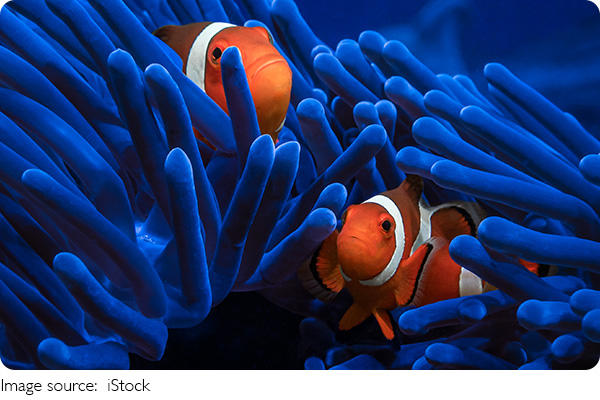
One of the primary advantages for the clownfish in this relationship is protection. The stinging tentacles of the anemone serve as a formidable defense against predators. Most fish avoid anemones due to their venomous cells, known as nematocysts, which can cause significant harm. However, clownfish have a special mucus layer on their skin that makes them immune to the anemone’s stings. This immunity allows them to live and move freely among the tentacles without fear of predation.
Nutrient Supply
The clownfish also plays a vital role in feeding the anemone. While swimming through the tentacles, clownfish engage in a behavior called "farming," where they drag food particles towards the anemone. Additionally, clownfish excrete ammonia, a form of nitrogen, which is a crucial nutrient for the anemone. This exchange ensures that the anemone has a steady supply of essential nutrients to thrive in its environment.
Cleaning and Maintenance
Clownfish help keep the anemone clean by eating debris and parasites that settle on its tentacles. This cleaning behavior is mutually beneficial: the anemone remains healthy and free from potential infections, while the clownfish get an additional source of food. This aspect of their relationship highlights the intricate and dynamic nature of their interactions.
Increased Oxygenation
The movement of clownfish among the anemone's tentacles promotes water circulation, which enhances oxygenation. This increased water flow ensures that the anemone's tissues receive adequate oxygen, which is crucial for its respiration and overall health. This subtle yet significant contribution by the clownfish demonstrates how their presence can directly impact the physiological well-being of the anemone.
Territorial Defense
In addition to the benefits of shelter and food, clownfish actively defend their anemone homes from intruders and potential threats. They exhibit aggressive behavior towards other fish and organisms that might harm the anemone or compete for its resources. This territorial defense ensures that the anemone remains safe and can continue to provide shelter and nutrients to the clownfish.
Ecological Significance
The clownfish-anemone relationship also has broader ecological implications. Coral reefs, where these symbiotic pairs are commonly found, are highly biodiverse and complex ecosystems. The health of anemones, supported by their clownfish partners, contributes to the overall stability and productivity of the reef. By keeping anemones healthy and functioning, clownfish indirectly support other reef inhabitants and the intricate web of life that characterizes these underwater habitats.
Evolutionary Adaptations
The mutualism between clownfish and anemones is the result of millions of years of co-evolution. Clownfish have developed specific behaviors and physiological traits that allow them to live harmoniously with anemones. Similarly, anemones have adapted to accommodate their clownfish partners. This co-evolution underscores the deep interdependence between these two species and highlights the evolutionary advantages of mutualistic relationships in nature.
The clownfish and sea anemone exemplify a perfect partnership in the animal kingdom. Their mutualistic relationship, characterized by protection, nutrient exchange, cleaning, and territorial defense, benefits both species and enhances the resilience of coral reef ecosystems. Understanding this relationship not only sheds light on the complexities of marine life but also underscores the importance of preserving these delicate and interconnected ecosystems. As we continue to study and protect coral reefs, the remarkable friendship between clownfish and anemones will remain a testament to the intricate and cooperative nature of life in the ocean.