Travel Photos No Crowds

Pankaj Singh
01-06-2026
 · Travel Team
Scroll through any travel feed and you'll see them: someone standing alone in front of the Blue Domes in Santorini, or at the center of a cobblestoned street in Mykonos with not a single tourist in sight.
And then you arrive at those same places and it's complete chaos, shoulder to shoulder with other visitors holding phones and selfie sticks at the exact same spot.
The gap between the photos you see online and the reality of a crowded tourist attraction feels enormous. But most of those clean, crowd-free shots aren't magic, and they're definitely not always Photoshop. They come from a combination of timing, patience, and a few practical strategies.
The single most important advice is also the least glamorous: bring patience and pack a lot of it. Photography at busy tourist sites is not about rushing from angle to angle. It's about reading the flow of people and waiting for the right moment.
A 3-hour queue at the Vatican is not part of the travel experience. Here's exactly how to avoid it.
The secret to having famous places almost to yourself isn't luck. It's a bit more effort than most people bother with.
A taxi from the airport should be relief. Instead, it's often where the trip's first problem starts.
One card, 50 attractions, and €50 saved in a single day. The math can work out surprisingly well.
Vacation rental kitchens are usually missing everything. A portable spice kit costs almost nothing and fixes most of that.
Traveler's diarrhea hits 30 to 70% of international visitors. The gap between those numbers is mostly preparation.
At Casa Batlló in Barcelona, the perfect shot in the big windows seemed impossible in the morning crowd. The trick was visiting the spot again just before leaving the building and waiting for five minutes. The gap came. Three seconds of clear space. The photo happened. That's how it usually works.
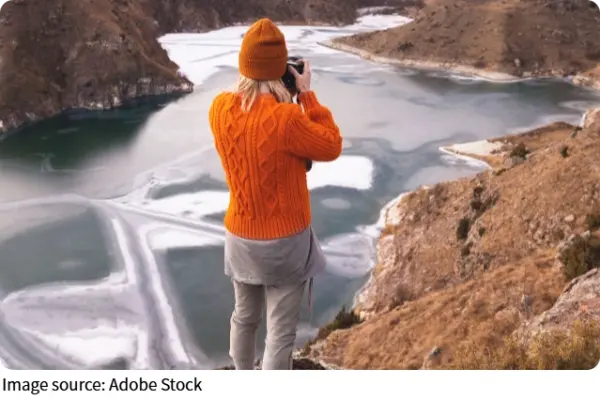
Timing: Sunrise Is Non-Negotiable for the Best Shots
In most famous tourist cities, the only reliable window for crowd-free photos is early morning. Not regular early. Sunrise early, or at minimum, thirty minutes before a site opens its doors.
In Paris and Rome, arriving before 7am is the only way to photograph major landmarks without dozens of strangers in the background. Sunrise brings extraordinary light too: warm, directional, sometimes with lingering mist. In Mykonos, sunrise is the only time the narrow streets are empty of the market stalls and daytime crowds.
For indoor attractions, being the first visitor through the door means having the space to yourself, sometimes for a full fifteen to twenty minutes before the next wave arrives.
The reverse also works. In guided tours through places like Barcelona's Palau de la Música Catalana, most visitors take photos while the guide is talking. Being the last one in the group to photograph a space, after everyone else has moved to the next room, often gives you a brief, clear window. Use burst mode during these moments because the window can close in seconds.
Change Your Angle and Your Framing
Most tourists head directly to the designated photo spot, which is usually the overlook, the position directly in front of the attraction, or the marker where every photo from that location is taken. Then they get the same shot that millions of people have posted, and leave.
Moving even twenty meters sideways, shooting from a lower position, finding an elevated vantage point, or framing the subject through an archway or window produces something different and often more interesting. The views from behind or beside a famous landmark can be as striking as the front-on shot and almost always have fewer people in them.
Avoiding high season, Sundays, and national holidays makes a measurable difference even within the same city. Santorini in Oia was walkable and photographable on a Thursday in early June. By Sunday, the cruise ship tours arrived and the narrow streets became impossible to move through freely.
When Nothing Works, Edit
Sometimes there genuinely is no quiet moment. The Trevi Fountain at 8am still has hundreds of visitors. Some places never clear out. In these situations, editing is the honest solution. Taking the same photo twenty to thirty times while people move through the frame, then using an app like Touch Retouch or layering the images in Photoshop to remove the moving elements, produces a clean result that doesn't look fake. The app is simple enough that basic editing experience is sufficient.
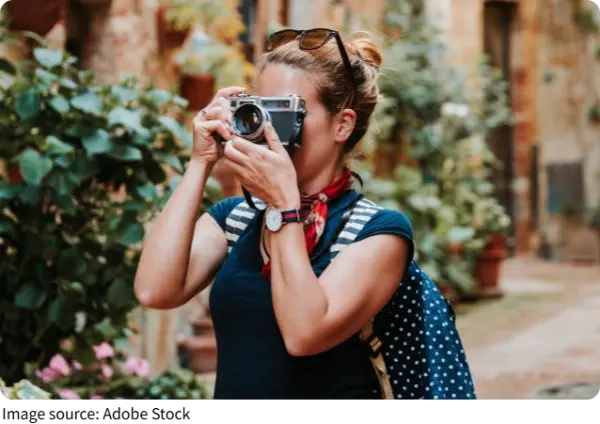
The combination of early starts, patient waiting, creative angles, and occasional editing covers almost every situation. Travel photography at famous places is partly about the shot and partly about being willing to stand quietly in a corner for five minutes while everyone else rushes past. What's the one shot you've been wanting to get without fifty strangers in the background?