Healthy Travel Cooking

Raghu Yadav
01-06-2026
 · Travel Team
Staying in a vacation rental or apartment instead of a hotel changes the travel experience in a specific and underrated way: it gives you a kitchen.
Not a perfect kitchen, not the one with your favorite cast iron pan and a full spice rack, but a functional space where you can prepare at least some of your own meals.
Culinary writer and recipe developer Kelli Foster has been traveling this way for years, and she learned early on that managing expectations for the rental kitchen is key. A pepper grinder probably isn't there. Finishing salt is unlikely. Aged balsamic? Almost certainly not. What she does now is take matters into her own hands and pack a small portable spice kit.
The insight is straightforward: a few well-chosen spices can meaningfully improve almost any meal cooked in an unfamiliar kitchen. The difference between plain rice, pasta, or eggs in a rental and those same ingredients cooked with the right seasoning is the difference between eating out of necessity and actually enjoying a home-cooked meal on the road. And the spices themselves weigh almost nothing.
Traveler's diarrhea hits 30 to 70% of international visitors. The gap between those numbers is mostly preparation.
More travelers are choosing paragliding on vacation. Here is what science and psychology say about why it works so well.
Why speedboat rides feel thrilling and how to stay safe, comfortable, and aware on the water
Navigating local customs and traditions during your homestay can feel tricky, but these practical tips will help you connect.
Every wrapper, off-trail shortcut, and fed squirrel adds up. Here's how to actually protect the places you love.
Your tarot-guided year of movement, choices, and growth.
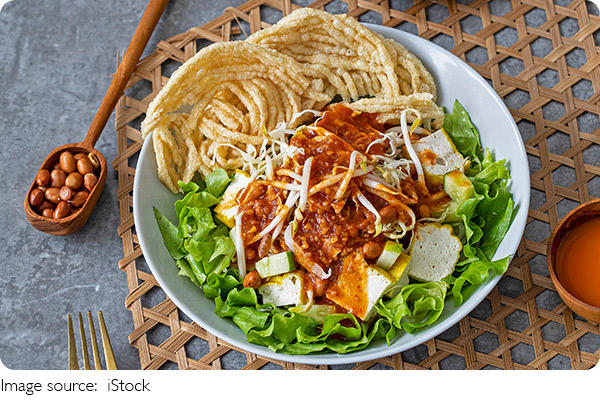
How to Pack a Travel Spice Kit That Actually Works
The container choice matters. Small plastic containers are the right call, not glass, which can break in luggage. A weekly pill organizer works surprisingly well: each compartment holds a different spice, it's compact enough for a carry-on, and the individual sections prevent cross-contamination.
Contact lens cases are another practical option for tiny amounts. Label each container, even if you only have four or five spices, because trying to identify mystery white powder at the kitchen counter of a foreign apartment wastes time.
Before packing, think about what you'll actually cook rather than just which spices you love at home. If you plan to grill fish, you need different spices than if you're making simple vegetable dishes. If you're planning any baking, that's another category entirely.
Rather than packing individual spices for every scenario, making two or three spice blends at home before departure is a practical shortcut. A basic all-purpose blend, a dry rub if grilling is planned, and a warming blend for eggs or grain dishes covers most situations without packing eight separate containers.
The Case for Cooking at Least Some Meals
Eating out for every meal of a trip is expensive, and it removes control over what you're actually consuming. A registered dietitian named Jenn, who specializes in healthy travel eating, recommends accommodations with kitchen access specifically for this reason: when you cook your own meals, you control the ingredients, the portions, and the preparation. You're not guessing what oil something was cooked in or how much sodium went into a sauce.
The strategy most useful for longer trips is balance. Cook some meals at the accommodation, particularly breakfasts and occasional lunches, and save the full restaurant experience for dinners where the cultural and culinary experience is worth the cost and the uncertainty. Picking up fresh ingredients at a local market rather than a supermarket also connects you to the food culture of the destination in a way that eating in restaurants doesn't.
Carrying healthy snacks in your bag matters too, especially on travel days when meals are unpredictable. Nuts, dried fruit, or a handful of crackers from the local market prevent the situation where hunger forces a compromise on food quality or safety. Having something reliable in your bag gives you options.
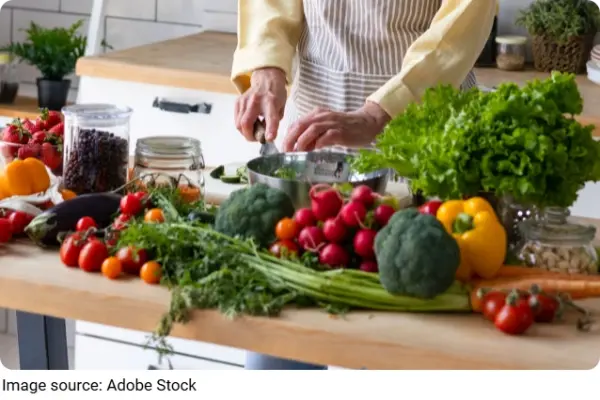
Cooking while traveling requires flexibility and low expectations for the kitchen equipment you'll find. But with a small spice kit and a willingness to pick up a few ingredients at a local market, even a basic rental kitchen produces meals that are healthier, cheaper, and often more satisfying than another restaurant rotation. What would go in your ideal travel spice kit, and what kind of meals would you make with it?