Food Safety Abroad

Ethan Sullivan
01-06-2026
 · Travel Team
Getting sick from food abroad is not inevitable, but it's common enough that pretending the risk doesn't exist is a genuinely bad idea.
According to the CDC, travelers' diarrhea is the most predictable travel-related illness, affecting 30–70% of travelers and typically caused by contaminated food or water.
The good news is that most of the risk is manageable with a few consistent habits, starting before the trip even begins.
The first thing worth doing is researching your specific destination. Not every country carries the same food safety risk. Check whether the tap water is safe to drink, what level of sanitation standards local restaurants operate under, and whether there are any current health advisories.
More travelers are choosing paragliding on vacation. Here is what science and psychology say about why it works so well.
Why speedboat rides feel thrilling and how to stay safe, comfortable, and aware on the water
Navigating local customs and traditions during your homestay can feel tricky, but these practical tips will help you connect.
Every wrapper, off-trail shortcut, and fed squirrel adds up. Here's how to actually protect the places you love.
Your tarot-guided year of movement, choices, and growth.
Your zodiac's guide to navigating tomorrow's energy with ease.
Water Is the Biggest Hidden Risk
Contaminated water is the primary cause of food sickness for international travelers, and the risk extends well beyond just drinking from the tap. It includes ice cubes in drinks, fountain beverages mixed with tap water, brushing teeth with tap water, and rinsing contact lenses. According to the CDC, more than 180 countries, including many popular vacation destinations, have tap water that is not safe for consumption.
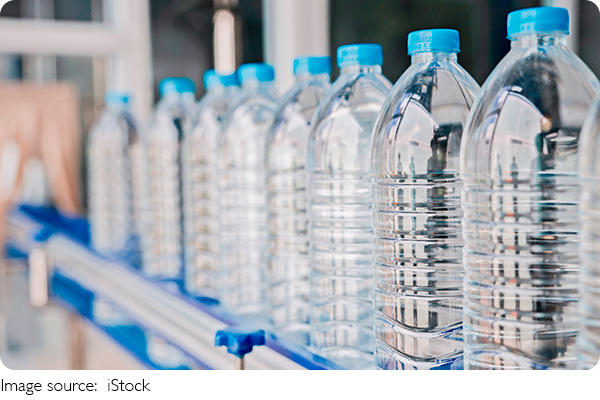
The standard practice is to stick to factory-sealed bottled water and verify the seal is intact before drinking. Beverages made with boiled water, like hot tea or coffee, are generally safe. When in doubt, skip the ice entirely unless you have verified it was made from purified or bottled water, not assumed.
Reading the Restaurant Before You Sit Down
Choosing where to eat is itself a food safety decision. Busy restaurants with high customer turnover are safer because ingredients are being used and replenished constantly. Food that sits is food that risks becoming a problem. A restaurant where locals are eating regularly is also a restaurant where those locals aren't getting sick, which is meaningful information.
Hot food should be served genuinely hot, not lukewarm. Cold food should be cold. The danger zone where bacteria multiply fastest is between 40°F and 140°F, which is roughly the temperature range of food that's been sitting around. Deep-fried foods and dishes served boiling hot, like soups and stews, are among the safest options. Food served at room temperature is worth skipping.
For dairy, the key question is storage. Is it refrigerated or sitting at room temperature? Is the packaging factory-sealed or in an open container? Unpasteurized dairy in countries with less consistent refrigeration is a common trigger for stomach problems. Check before consuming.
Raw Produce and Street Food Context
Raw vegetables and salads are cleaned with tap water in most parts of the world. In countries where tap water is unsafe, that process transfers the problem directly onto the food. Lettuce, in particular, is consistently flagged by gastrointestinal specialists as a high-risk item when traveling. Fruits with peelable skins are safer because the outer layer protects what you eat. Unpasteurized juices carry the same risk as raw produce.
Street food carries its own risk profile, but it's not automatically higher than restaurant food. A busy street stall where food is cooked fresh and served immediately to a constant stream of customers is often safer than a quiet restaurant where food has been sitting. The question to observe is whether the food is freshly prepared and hot, not whether it comes from a stall or a building.
Hand hygiene before eating matters throughout all of this. Soap and water is most effective. When neither is available, a hand sanitizer with at least 60% ethanol content is the practical alternative. Carrying a small bottle in a bag or pocket makes this habit easy to maintain anywhere.
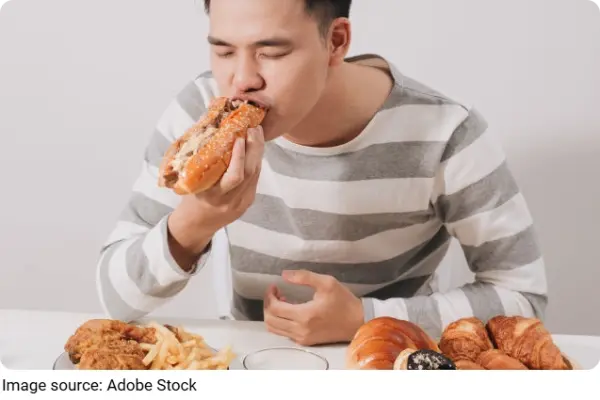
Food sickness doesn't have to be part of the travel experience. Most of it is preventable with the right preparation and a few consistent habits at the table. What part of your food routine would be easiest to adjust before your next trip?