Meerkat Sun Life

Chris Isidore
27-05-2026
 · Animal Team
Dear Lykkers, have you ever seen a small animal standing upright in groups, quietly facing the sun as if they are carefully observing the world? Today, we are taking a closer look at meerkats.
At first glance, they may seem simple and playful, but their daily life is full of structure, teamwork, and smart survival habits. Let’s step into their sandy home and understand what is really going on.
A Sunny Standing Habit
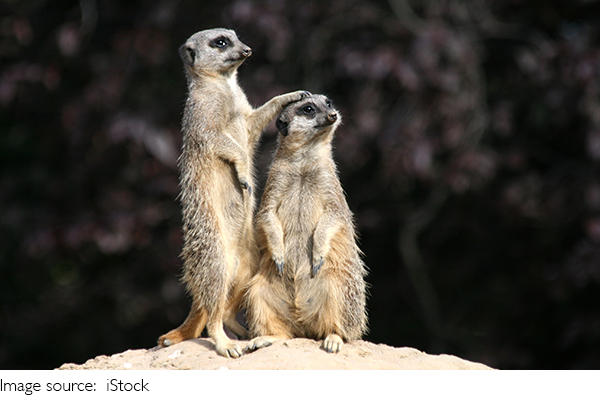
One of the most recognizable behaviors of meerkats is their upright posture. They often stand tall on their hind legs with their belly facing the sun. This is not just a cute pose. Their belly has thinner fur, which allows sunlight to warm their body more quickly. In cold mornings or windy desert conditions, this simple action helps them maintain comfort without wasting energy.
Have You Ever Seen Fallow Deer With Shimmering White Spots and Heart-Shaped Marks Wandering Through Forests?
How Do Tiny Squirrels Quietly Shape Entire Forests and Support Nature Without Us Even Noticing?
How Does a Rabbit Suddenly Appear Inside a Black Hat? The Simple Trick Behind This Classic Magic Moment Explained!
Explore the hidden behaviors and traits of the elusive blackfin spiny dogfish
A sleepy cat? A skipped meal? Small differences may matter more than expected!
Meet the Unicorn Whale: Arctic’s Most Mysterious Creature Revealed with Secrets You Won’t Believe!
We may also notice them standing together in groups. While it looks peaceful, this behavior often serves two purposes: warming up in sunlight and observing their surroundings. From a distance, it feels like a quiet moment, but in reality, it is part of their daily survival rhythm.
A Surprisingly Organized Society
Meerkats live in highly organized family groups. Each group has clear roles, and communication is constant. While some members search for food, others stay alert or take care of the young ones.
What makes them especially interesting is their cooperation. Certain adults temporarily take on the role of caregivers, staying behind to watch over the younger members. This allows others to move freely in search of food. Their teamwork shows a level of coordination that might surprise anyone who thinks small animals live simple lives.
Guard Duty and Smart Awareness
One of the most important roles in a meerkat group is the lookout. A standing meerkat often acts like a guard, scanning the environment for danger. If anything unusual appears, it quickly signals the group so they can respond together.
This alert behavior is not random. It is part of a shared responsibility system. While one stands watch, others can focus on feeding or resting. When the guard changes, another member takes over, ensuring continuous protection. It is a simple but very effective system for living in open desert spaces.
Daily Search for Food and Survival Skills
Meerkats spend much of their day searching for food. Their diet includes insects, small reptiles, and other tiny desert creatures. They are skilled hunters and can quickly react to movement in the sand.
Interestingly, they are also known for their resistance to certain natural toxins found in their environment. This allows them to handle food sources that many other animals would avoid. Their small size does not limit them; instead, it pushes them to become fast, alert, and highly adaptive.
Life Beneath the Ground
Under the desert surface lies an impressive underground world built by meerkats. They dig complex tunnel systems using strong, curved claws. These tunnels are not just simple shelters. They include multiple entrances and different “rooms” designed for resting, raising young ones, and escaping danger if needed.
The structure is like a hidden city beneath the sand. It provides shade during hot days and warmth during cooler nights. Living underground also helps them stay safe while maintaining a stable daily routine above ground.
Energy Balance and Body Needs
Meerkats have a naturally slim body structure and cannot store large amounts of energy reserves. Because of this, they need to eat regularly to stay active and healthy. If food is limited, their condition can quickly weaken.
This is why their daily routine is so active and well-organized. Every member contributes to the group’s survival, whether by finding food, watching for danger, or caring for the young. Their lifestyle is a constant balance between energy use and energy gain.

Final Thoughts with You, Lykkers
Dear Lykkers, meerkats may look small and playful, but their lives are built on teamwork, awareness, and clever adaptation. From standing in the sun to guarding their group and building underground homes, every action has a purpose.
Next time you see them standing upright, think beyond the cute image. What do you think is more fascinating—their teamwork or their survival skills? Feel free to share your thoughts and keep exploring the amazing world of animals with us.
Meerkats: Stand And Protect
Video by Lord of Animals