Arctic Unicorn Whale

James Carter
26-05-2026
 · Animal Team
Imagine gliding through icy Arctic waters and spotting a whale with a long, spiraling tusk, like something out of a fairy tale. The unicorn whale, famous for this unique tusk, is a mid-sized marine mammal that sparks our curiosity and wonder.
Its shy behavior and preference for remote Arctic habitats make it one of the ocean’s most mysterious creatures. Today, we dive in to explore these incredible animals and uncover what makes them so fascinating.
Unique Features
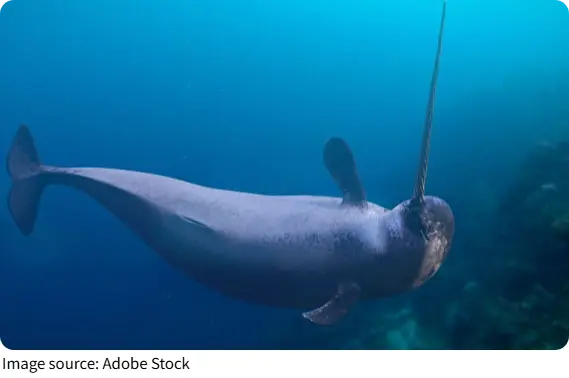
The unicorn whale, often called the “unicorn of the sea,” is both strange and beautiful. Its most striking feature is the long, spiraling tusk that grows from its head, resembling a mythical horn. There are over 80,000 of these whales in the oceans, and fully grown individuals can weigh around 2 tons and reach up to 5.18 meters long. Their lifespan is at least 25 years, with some reaching up to 50, making them not only remarkable in appearance but also in longevity.
Discover the unique qualities and history of the Tunis sheep breed
Discover the unique qualities and history of one of China's most beloved dogs.
A quiet nest hides big risks! What keeps snakes, cats, and bold birds away?
Is your cavy resting or secretly alert? The answer feels unexpected!
How specialized eyes, neck anatomy, and blood vessels help owls survive
How Can We Hold a Rabbit So It Stays Calm, Safe, and Comfortable in Our Arms?
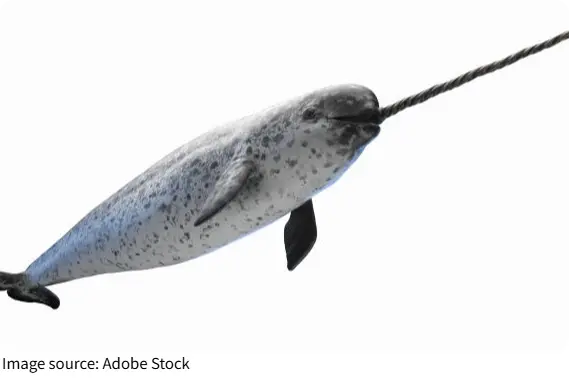
Interestingly, only males typically grow these “unicorn horns.” What we see as a horn is actually a tooth that grows from the upper jaw. Male tusks can reach 2 to 3 meters and are highly sensitive. Inside, they contain up to 10 million nerve endings, which allow the whale to detect subtle changes in temperature, salinity, and water pressure. Their heads are small and rounded, fins are short and rounded, and instead of a traditional dorsal fin, they have a short ridge along their back. These unique adaptations make the unicorn whale well suited for life in extreme Arctic conditions.
Where They Live
Unicorn whales thrive in the cold northern waters of the Arctic, particularly near Canada, Greenland, Norway, and Russia. During summer, we can sometimes spot them along these coastlines, but most spend up to five months under the sea ice in areas like Baffin Bay and the Davis Strait. These whales are among the deepest-diving members of the whale family, reaching depths of at least 1,500 meters where no sunlight penetrates and water pressure exceeds 150 atmospheres.
Master Divers
Each dive usually lasts about 25 minutes, an impressive feat for such a large animal. Unicorn whales have large lungs, flexible ribcages, and blood rich in myoglobin, all of which allow them to endure the harsh conditions of deep-sea life. During long dives, they carefully manage their oxygen by sending it only to the most vital organs and muscles. Compared to humans, their ability to survive such extreme depths is truly astonishing. Observing these whales reminds us of the incredible ways nature adapts life to survive in extreme environments.
What They Eat
Being skilled deep divers, unicorn whales hunt at different ocean depths. Their main diet consists of Greenland halibut, polar cod, and shrimp, though they occasionally consume wolf fish, sculpin, and skate eggs. Instead of using their tusks to pierce prey, they usually draw their food directly into their mouths and swallow it whole. The tusk serves more practical and social purposes, such as breaking ice or competing with other males. This shows us that their famous horn is not just for show—it’s a versatile tool in their Arctic life.
Behavior and Social Life
Unicorn whales are mostly shy and solitary, but they sometimes form small groups, especially during migration or feeding seasons. Males may engage in tusk duels, which are more about showing strength than causing serious harm. We can also notice that they communicate using a variety of sounds and clicks, which helps them navigate under the ice and locate prey in complete darkness. Their social interactions and communication techniques remind us how intelligent and adaptive these creatures are.
Lykkers, the unicorn whale is one of the ocean’s most mysterious and majestic creatures. Its long tusk, deep-diving skills, and Arctic lifestyle make it a true marvel of nature. Observing these whales, even from a distance, reminds us of how much there is still to discover in our oceans. By learning about their habitats, behaviors, and diets, we gain a deeper appreciation for these “unicorns of the sea” and the fragile environment they call home. We hope this glimpse into their mysterious world inspires curiosity and care for our Arctic neighbors.
Narwhals: The Unicorns of the Sea! | Nat Geo WILD
Video by Nat Geo Animals