Fun Facts About Tunis Sheep

Caroll Alvarado
26-05-2026
 · Animal Team
The Tunis sheep, known for its distinct appearance and historical significance, is one of the oldest and most unique sheep breeds in the world.
With roots dating back to ancient North Africa, this breed has a fascinating blend of history, resilience, and special traits that make it stand out in the world of livestock farming.
Let's delve into some interesting facts about the Tunis sheep that showcase its uniqueness.
Ancient Origins: A Historical Breed
The Tunis sheep has a rich history, originating in the Maghreb region of North Africa, particularly Tunisia, where it has been bred for centuries. The breed's adaptability to the harsh environments of the region, where temperatures can soar and food is scarce, has allowed it to thrive in diverse climates. Its resilience and ability to withstand tough conditions make it a symbol of endurance in the livestock world.
Discover the unique qualities and history of one of China's most beloved dogs.
A quiet nest hides big risks! What keeps snakes, cats, and bold birds away?
Is your cavy resting or secretly alert? The answer feels unexpected!
How specialized eyes, neck anatomy, and blood vessels help owls survive
How Can We Hold a Rabbit So It Stays Calm, Safe, and Comfortable in Our Arms?
Different squeaks, different moods?! What your Cavy is trying to say?
Distinctive Appearance: A Unique Look
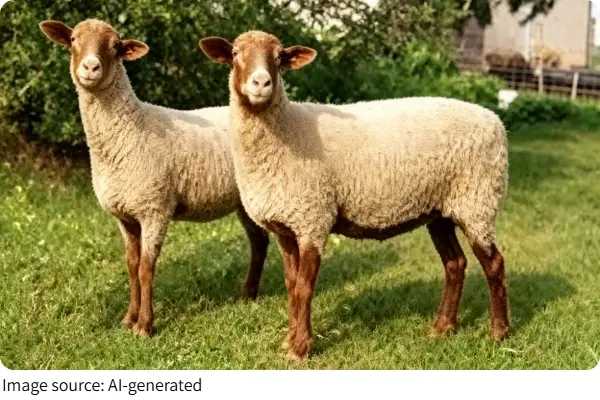
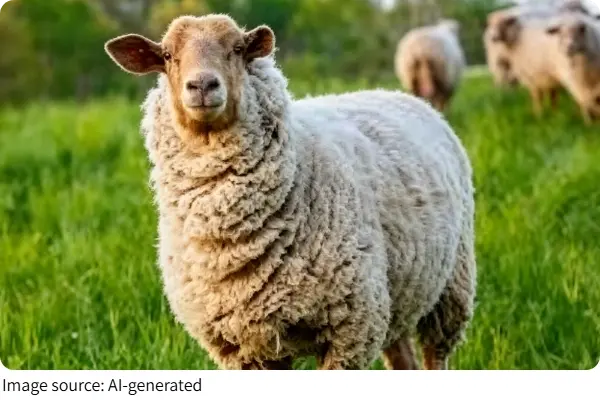
One of the most striking features of the Tunis sheep is its coat, which is typically a reddish-brown color with a white face. This breed also has a characteristic "hairy" wool, unlike some of the other sheep breeds that have dense, fleece-like wool. The Tunis sheep's appearance makes it easily recognizable and adds to its charm, especially for those who appreciate livestock with unique qualities.
Dual-Purpose Breed: Meat and Wool
Tunis sheep are prized not only for their hardiness but also for their versatility. They are a dual-purpose breed, raised for both their meat and wool. The meat of the Tunis sheep is known for its tenderness and flavor, making it a popular choice among chefs and food enthusiasts. Additionally, their wool, while not as fine as that of other breeds, is used for a variety of textile products, contributing to the breed's economic value.
Efficient Grazers: Perfect for Small Farms
Tunis sheep are highly efficient grazers, making them an ideal choice for small farms or homesteaders. Their ability to graze on a variety of vegetation and thrive in less-than-ideal pastures means they can be a low-maintenance addition to any farm. Their hardy nature and adaptability make them a popular choice among sustainable farmers who value breeds that require minimal intervention.
Conservation Efforts: Protecting the Breed
Like many traditional breeds, the Tunis sheep faced a decline in numbers during the 20th century, as commercial farming and crossbreeding practices became more common. However, efforts to conserve the breed are underway, with agriculturalists and conservationists working to protect this ancient and valuable sheep. Today, Tunis sheep are increasingly found on farms that specialize in preserving heritage livestock breeds.
The Tunis sheep is a breed that embodies history, resilience, and practicality. From its ancient roots in North Africa to its current role in sustainable farming practices, it remains a testament to the endurance of traditional livestock breeds. By supporting conservation efforts and learning about breeds like the Tunis sheep, we can help preserve the diversity and richness of our agricultural heritage.