Squalus pinna nigra

James Carter
26-05-2026
 · Animal Team
Gliding silently through the depths, the Squalus pinna nigra remains one of the ocean's lesser-known predators.
Its sleek black fins and subtle movements make it almost invisible to divers, yet this shark plays a crucial role in marine ecosystems.
Observing it can feel like watching a shadow slip between the coral and open water, revealing the subtle complexities of ocean life.
Distinctive Appearance and Anatomy
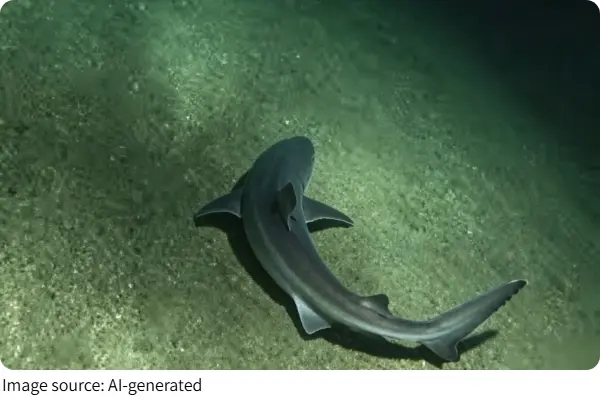
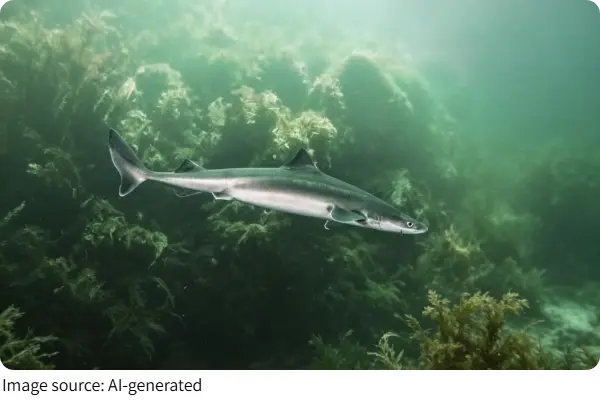
The blackfin spiny dogfish is instantly recognizable for its dark, almost jet-black dorsal fins, which stand in contrast to its lighter gray body. Its streamlined shape allows for efficient movement even in strong currents.
Key points:
The shark typically grows to about 3 feet (0.9 meters) in length, making it relatively small compared to other sharks.
A sleepy cat? A skipped meal? Small differences may matter more than expected!
Meet the Unicorn Whale: Arctic’s Most Mysterious Creature Revealed with Secrets You Won’t Believe!
Discover the unique qualities and history of the Tunis sheep breed
Discover the unique qualities and history of one of China's most beloved dogs.
A quiet nest hides big risks! What keeps snakes, cats, and bold birds away?
Is your cavy resting or secretly alert? The answer feels unexpected!
Its body is covered with tiny dermal denticles, giving it a rough texture that reduces drag in the water.
Unlike many shark species, it has two dorsal fins, each equipped with a mild venomous spine for defense. Observing these spines can help researchers identify the species in the wild.
For divers or marine enthusiasts, noting the fin color and spine structure is essential for accurate identification. A close-up photo with scale indicators can provide useful documentation for marine studies.
Behavior and Hunting Patterns
Squalus pinna nigra is a nocturnal hunter, preferring the cover of darkness to ambush small fish and invertebrates. Its hunting style is more stealthy than aggressive.
Key points:
It often swims near the seabed, using its lateral line to detect vibrations in the water, signaling nearby prey.
Small crustaceans, squid, and juvenile fish make up most of its diet. Observing its feeding behavior can reveal patterns in local fish populations.
Researchers sometimes track its movements with underwater cameras or tagging devices, noting that it prefers cooler, deeper waters between 200 and 500 feet.
Actionable insight: For marine observers, visiting these depths with proper submersible equipment or guided dives can provide firsthand observation opportunities of its hunting strategies.
Reproductive Traits
The reproductive cycle of Squalus pinna nigra is fascinating and unusual. This species is ovoviviparous, meaning eggs develop inside the female, and she gives birth to live young.
Key points:
Litter sizes typically range from 2 to 10 pups, depending on the female's size and health.
Gestation lasts around 18 months, which is long compared to many other fish species.
Newborns measure approximately 10–12 inches at birth, already equipped with tiny, functional spines for protection.
Observing reproductive patterns helps marine biologists understand population sustainability and inform conservation efforts. A practical step for researchers is to monitor pregnant females in protected marine reserves to gather data without disrupting their natural behavior.
Role in the Ecosystem
Although small, the blackfin spiny dogfish plays a vital role in maintaining the balance of the ocean's food web. By preying on smaller fish and invertebrates, it helps control populations that could otherwise overwhelm coral reefs or seagrass beds.
Key points:
Its presence indicates a healthy ecosystem, often coinciding with abundant mid-level prey species.
It can serve as a natural control for invasive species in certain regions, maintaining biodiversity.
Conservation programs often monitor its numbers as an indicator of overall ocean health, especially in areas affected by overfishing or habitat degradation.
For those interested in marine biology, contributing to citizen science projects that track sightings can directly support ecosystem management.
Adaptations and Survival Strategies
Squalus pinna nigra has evolved several features that make it a survivor in often unpredictable ocean conditions. Its coloration, defensive spines, and sensory adaptations all contribute to its stealth and efficiency.
Key points:
Its black dorsal fins help it blend into the darker depths during nighttime hunting.
The venomous spines deter predators, giving it a defensive edge despite its small size.
Its electroreceptors allow it to detect prey hidden under sand or within rocky crevices.
For marine enthusiasts, observing these adaptations in action can deepen understanding of predator-prey dynamics. Underwater photography focused on fin movement or spine display can capture evidence of these survival strategies.
The Squalus pinna nigra may not dominate headlines like great white or tiger sharks, but its quiet presence shapes marine ecosystems in meaningful ways. Watching it glide through the water, hunting with precision and navigating its environment with subtle adaptations, reminds us that even the smallest predators hold extraordinary secrets. Next time you explore reef or deep-sea habitats, take a moment to spot this shadowy hunter—you might be witnessing a remarkable balance of stealth, survival, and subtle power in action.