Invisible Elegance

Finnegan Flynn
31-07-2024
 · Animal Team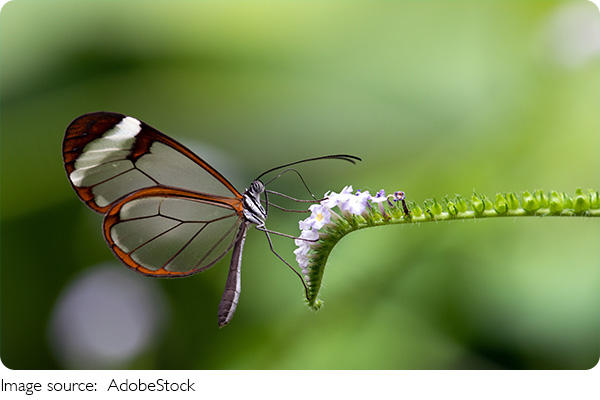
Butterflies, with their stunning beauty and enigmatic presence, have been subjects of admiration and inspiration for humanity since ancient times.
From their vibrant wings to their miraculous transformation from caterpillars into ethereal, flying creatures, butterflies are one of nature's most captivating marvels.
The Allure of Butterflies
Butterflies belong to the order Lepidoptera, and within this order, approximately 18,000 species are classified as butterflies. These insects have long been celebrated by poets and artists for their colorful wings and graceful flight.
They are often seen as symbols of transformation and beauty, representing the idea of change and the ephemeral nature of life.
Zebra stripes: Nature's marvel, serving camouflage, thermoregulation, social bonds, and insect defense.
The cheetah, famed for speed, faces weaknesses in strength and defense, showcasing nature's delicate balance.
Blue-eyed cats captivate with beauty but often face congenital deafness due to genetic mutations.
Discover the Shocking Truth About America's Most Adorable Deer!
Thriving clownfish need the right tank, diet, and health maintenance for vibrant companionship.
Raccoons in Japan: From beloved pets to invasive species causing ecological challenges.
The Enigma of the Greta oto
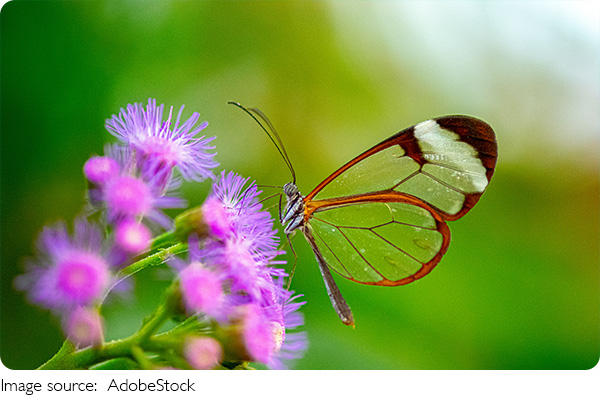
While most butterflies are known for their vividly colored wings, there are unique species that defy this norm. One such species is the Greta oto. This butterfly is a marvel of nature with its transparent wings, which allow it to blend seamlessly into its surroundings.
Habitat and Distribution
The Greta oto is predominantly found in Central and South America, especially in countries like Mexico, Panama, and Colombia. Occasionally, these butterflies migrate north and can be spotted as far as Florida.
Their habitats are typically dense forests, where their transparent wings provide an effective camouflage against predators.
Physical Characteristics
With a wingspan ranging from 5.6 to 6.1 cm, the Greta oto is relatively small. Its slender body and large, transparent wings make it appear almost ghostly as it flits through the forest. The transparency of its wings is a fascinating adaptation that allows it to avoid detection by predators.
The Secret Behind Transparent Wings
The transparency of the Greta oto's wings is a result of a unique biological structure. Initially, the wings are covered with tiny scales when the butterfly emerges from its pupa. However, as the wings dry, these scales gradually fall off, leaving behind a thin, glass-like membrane.
Microscopic Wonders: Nanopillars and Wax
Upon closer examination under a microscope, the wings of the Greta oto reveal an intricate pattern of nanopillars—tiny, hair-like structures. These nanopillars are covered with a layer of wax, which plays a crucial role in the butterfly's invisibility.
The nanopillars make the wing surface rough, causing light to scatter in various directions, a phenomenon known as diffuse reflection. This scattering reduces the amount of light reflected directly back, making the wings less visible.
Additionally, the wax coating on the nanopillars slows down the penetration of light through the wings due to its higher density compared to air. This further diminishes glare and enhances the transparency of the wings.
Ecological Significance and Potential Applications
The Greta oto is not just a beautiful creature; it also holds ecological importance. Its unique adaptation offers insights into potential applications in technology.
For instance, the anti-reflective properties of the Greta oto's wings could inspire innovations in screen technology. Imagine developing screens for mobile devices that reduce glare, making them easier to read in bright light, much like the butterfly's wings minimize reflection.
Conclusion
Butterflies, with their diversity and beauty, continue to captivate our imagination and inspire scientific curiosity. The Greta oto, in particular, stands out as a testament to nature's ingenuity.
Its transparent wings not only protect it from predators but also hold secrets that could revolutionize technology. As we delve deeper into understanding these remarkable insects, we unlock new possibilities for innovation and appreciate the profound complexity of the natural world.