Nature's Barcode
Mukesh Kumar
31-07-2024
 · Animal Team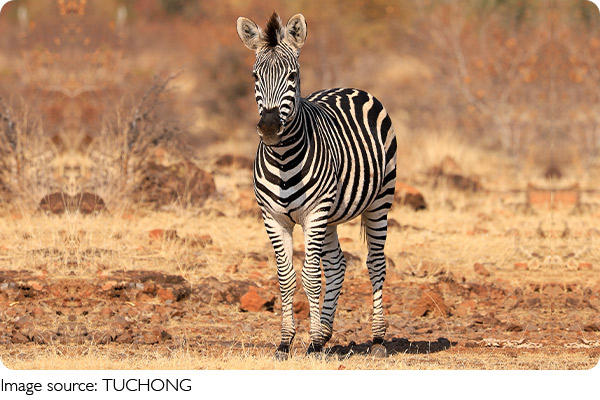
Across the vast expanses of grasslands, a fascinating animal roams, covered in black and white stripes. That animal is none other than the iconic zebra.
Zebra stripes are one of the most striking features in nature, and their presence has sparked countless speculations and discussions about their significance.
In this comprehensive exploration, we will delve into the purpose of zebra stripes and the pivotal role they may play in the survival of these majestic creatures.
An Evolutionary Marvel
Zebra stripes stand as a testament to the awe-inspiring forces of natural evolution. For years, scientists have dedicated themselves to unraveling the mysteries surrounding the origin and purpose of these distinctive markings.
The cheetah, famed for speed, faces weaknesses in strength and defense, showcasing nature's delicate balance.
Blue-eyed cats captivate with beauty but often face congenital deafness due to genetic mutations.
Discover the Shocking Truth About America's Most Adorable Deer!
Thriving clownfish need the right tank, diet, and health maintenance for vibrant companionship.
Raccoons in Japan: From beloved pets to invasive species causing ecological challenges.
Wanna keep a cat? Seven kinds of cute cats for new cat owners.
While various theories abound, some postulate that zebra stripes serve as a defense mechanism, while others suggest correlations with temperature regulation, social communication, or predator avoidance.
Protective Camouflage
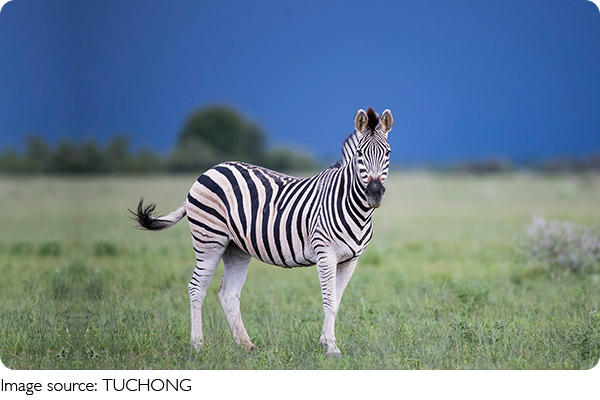
One of the most widely accepted theories posits that zebra stripes provide protective camouflage. Amidst the grasslands, the black and white stripes of zebras create a visual disruption, blending seamlessly with their surroundings and making them less conspicuous to predators.
This visual interference confounds predators, rendering it challenging for them to discern the zebra's exact location and speed, thereby enhancing the zebra's odds of survival.
Thermoregulation Mechanism
Another intriguing hypothesis proposes that zebra stripes aid in regulating body temperature. Given that black absorbs heat while white reflects sunlight, the stark contrast of colors may facilitate the creation of microclimates around zebras, aiding in dissipating excess heat and helping them stay cool amidst the scorching grasslands.
Social Signaling
Beyond their survival utility, zebra stripes may also serve as a means of social communication. Research indicates that zebras possess the ability to recognize individuals by discerning the unique patterns of their stripes.
This stripe recognition likely facilitates social cohesion and cooperation within zebra communities, contributing to their collective well-being.
Defense Against Insect Pests
In regions where zebras inhabit, they face a significant threat from insect pests, particularly horseflies, which can transmit deadly diseases such as trypanosomiasis, equine infectious anemia, African horse sickness, and equine influenza.
Studies have shown that zebra stripes serve as a deterrent against horsefly bites. Research conducted on captive zebras and domesticated horses revealed that while stripes effectively prevent horseflies from landing on zebras, they do not entirely deter horseflies from approaching from a distance.
This defense mechanism highlights the adaptive significance of zebra stripes in mitigating the risks posed by insect vectors.
Conclusion: Unlocking Nature's Enigma
In conclusion, zebra stripes stand as one of nature's most captivating enigmas, captivating the minds of scientists and nature enthusiasts alike. While numerous theories abound regarding their purpose, the intricate interplay of evolutionary pressures and ecological dynamics continues to intrigue researchers.
Despite the many unanswered questions surrounding zebra stripes, ongoing research and observational studies offer glimpses into the complex tapestry of survival strategies employed by these magnificent animals.
Through continued exploration, we stand to gain deeper insights into the intricate workings of nature and the remarkable adaptations that shape the diversity of life on our planet.