Raccoons

Arvind Singh
30-07-2024
 · Animal Team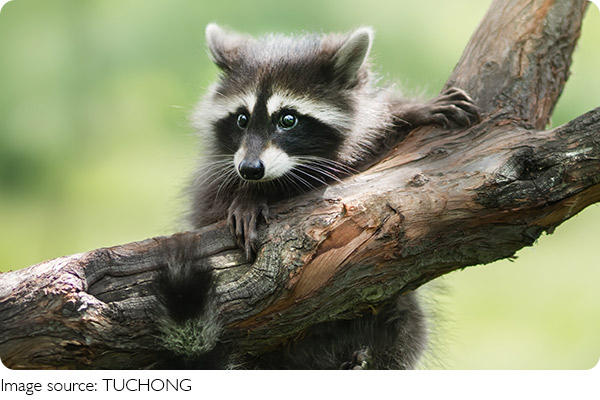
Raccoons, native to North America, are a familiar sight across the United States and Canada, known for their distinctive black masks and dexterous front paws.
However, their presence in Japan is a relatively recent phenomenon, with profound ecological and cultural implications.
The story of raccoons in Japan is one of unintended consequences, adaptation, and the challenges of managing invasive species.
The Arrival of Raccoons in Japan
Raccoons were introduced to Japan in the late 20th century, not as an ecological experiment, but due to a cultural craze.
The 1977 Japanese television series "Araiguma Rascal" (Rascal the Raccoon), based on the American book "Rascal" by Sterling North, captivated audiences. The story of a boy and his pet raccoon sparked a nationwide demand for raccoons as pets.
Wanna keep a cat? Seven kinds of cute cats for new cat owners.
Grizzlies are iconic, massive omnivores with impressive adaptability, spanning diverse habitats across the Northern Hemisphere.
Tigers, majestic and enigmatic, blend cultural reverence with complex survival challenges and rare beauty.
Bighorn Sheep: A Symbol of North American Wilderness.
Cat scratching: a multifaceted behavior for marking territory, relieving stress, and staying healthy.
The Bali myna, a symbol of Indonesia's biodiversity, faces extinction due to habitat destruction and illegal trade.
Thousands of raccoons were imported to meet this demand, becoming popular household animals.
However, raccoons are wild animals, and their behaviors and needs are not suited to domestic life. As the novelty wore off and the challenges of keeping raccoons as pets became apparent, many owners released them into the wild. Unbeknownst to them, these actions would have lasting ecological repercussions.
Ecological Impact
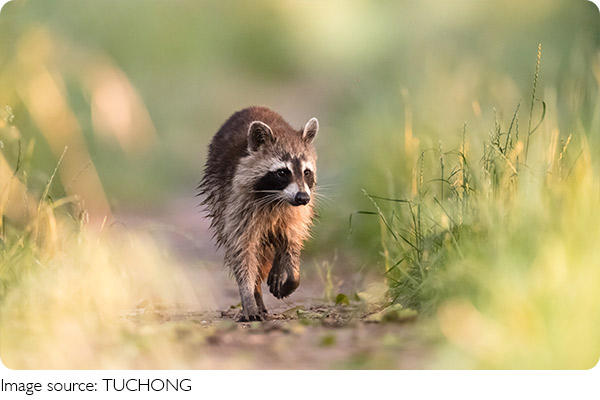
Raccoons in Japan have thrived in the absence of natural predators and with abundant food sources, leading to a rapidly growing population. This invasive species has had significant impacts on local ecosystems.
Raccoons are omnivorous and opportunistic feeders, preying on a variety of animals and plants, which has led to a decline in native species populations.
One of the most affected species is the Japanese pond turtle. Raccoons prey on turtle eggs and hatchlings, threatening their already vulnerable populations.
Raccoons compete with native species for food and habitat, further straining the local biodiversity.
The agricultural sector has also felt the impact of raccoons. They raid crops, causing significant damage to farms and orchards.
Farmers have had to invest in measures to protect their crops, such as electric fencing and other deterrents, adding to their operational costs.
Cultural and Social Implications
The presence of raccoons in Japan has also sparked a cultural and social dialogue about the responsibilities of pet ownership and the consequences of introducing non-native species. The initial fascination with raccoons has given way to a more nuanced understanding of the challenges they pose.
Efforts to control the raccoon population have included public awareness campaigns about the dangers of releasing exotic pets into the wild.
There have also been calls for stricter regulations on the importation and sale of non-native species.
The Japanese government has implemented measures to manage and reduce the raccoon population, including trapping and sterilization programs.
Management and Control Efforts
Managing the invasive raccoon population in Japan is a complex task. Trapping and sterilization efforts are labor-intensive and costly. Moreover, the adaptability and intelligence of raccoons make them difficult to control.
They can thrive in urban and rural environments, finding food in garbage bins, gardens, and agricultural fields.
Research is ongoing to develop more effective management strategies. Scientists are studying raccoon behavior and ecology to devise better ways to control their population without harming other wildlife.
Collaboration with local communities is crucial, as public cooperation is essential for the success of any wildlife management program.