A Call to Wings

Arjun Mehta
29-07-2024
 · Animal Team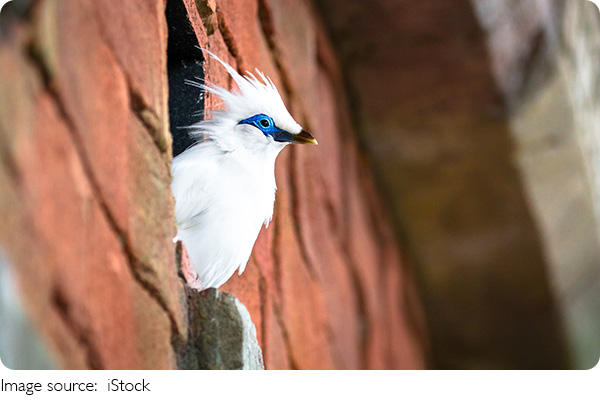
Nestled within the lush tropical rainforests of Bali resides a captivating avian marvel, the Bali myna.
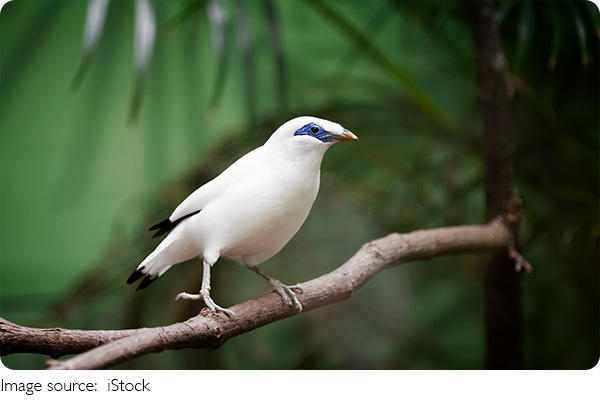
With its pristine white plumage and distinctive long crown, this species stands as a symbol of Indonesia's rich biodiversity and Bali's natural heritage.
However, amidst its picturesque habitat, the Bali myna faces an alarming plight, teetering on the brink of extinction due to various threats encroaching upon its existence.
The Bali myna possesses a unique allure, distinguished by its predominantly black facial feathers adorned with subtle azure accents. Its snow-white feathers, bordered by elegant black lines along the wings and tail, contribute to its striking appearance.
Notably, the elongated crown, embellished with ribbon-like feathers, lends an ethereal grace as it dances with the wind during flight.
Birds' captivating features hide a marvel: molting. It's crucial for plumage renewal, revealing avian secrets.
Swamp Harrier: The Graceful Guardian of Wetlands
Shocking Discovery: How Clownfish Poop Transforms Sea Anemones—Find Out the Surprising Benefits!
Dolphins, with their high intelligence, complex social behaviors, and self-awareness, are ocean geniuses.
Tiger Spot is a hidden gene. It's very valuable.
Many people will quip that they prefer a world without “ insects”.
Preferring coastal environs and grasslands, with a penchant for woodland dwellings, these birds exhibit a versatile habitat preference, albeit increasingly constrained by habitat degradation.
Foremost among the perils endangering the Bali myna is habitat destruction, exacerbated by the rampant expansion of tourism in Bali.
The relentless march of development has exacted a toll on the bird's natural habitat, as forests succumb to deforestation, land clearance, and urban sprawl. Consequently, vital nesting sites and food sources dwindle, exacerbating the precariousness of their existence.
Compounding these challenges, the illegal capture and trade of Bali myna pose a grave threat to their dwindling populations. Coveted for their rarity and aesthetic appeal, these birds fall victim to illicit trafficking syndicates, precipitating a decline in their numbers.
The illicit trade not only decimates wild populations but also disrupts their reproductive cycles, imperiling their long-term viability.
Addressing the imperiled status of the Bali myna necessitates concerted conservation efforts. Primarily, safeguarding their habitat mandates stringent environmental protection measures.
Government intervention is imperative to enact robust policies curbing deforestation, land conversion, and habitat degradation, thereby safeguarding the Bali myna's natural domain.
Moreover, bolstered surveillance and law enforcement mechanisms are imperative to combat illicit wildlife trade, shielding these birds from exploitation.
Supplementary conservation initiatives must focus on breeding and protection programs to bolster dwindling populations. The establishment of dedicated breeding centers, coupled with artificial propagation endeavors, can bolster their numbers and augment wild populations.
Concurrently, field monitoring and protection endeavors are vital to fostering natural reproduction and shielding nesting sites from external threats.
Public engagement and awareness campaigns are pivotal in rallying support for long-term conservation endeavors. Educating communities about the ecological significance of the Bali myna fosters a sense of stewardship, galvanizing collective action toward their preservation.
By fostering public empathy and involvement, conservation efforts can gain momentum, ensuring the enduring survival of this imperiled species.
Beyond its intrinsic ecological value, the Bali myna embodies a cultural heritage emblematic of Bali's identity. Preserving this avian icon transcends mere conservation; it embodies a shared responsibility to safeguard biodiversity for future generations.
Only through collaborative endeavors encompassing governmental, societal, and individual contributions can the Bali myna be safeguarded, ensuring its continued grace within Bali's tropical splendor.