The Enchanting World

Liam Reilly
29-06-2024
 · Animal Team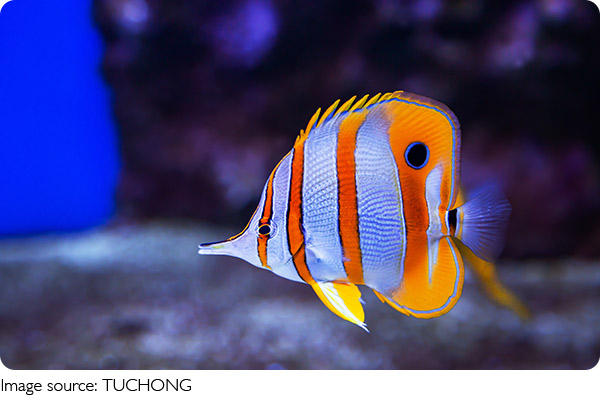
The ocean's vibrant tapestry is adorned with a myriad of fascinating creatures, among which the Ornate Butterflyfish (Chaetodon ornatissimus) stands out as a captivating spectacle.
Known for its striking appearance and intriguing behavior, this species of butterflyfish is a beloved subject for marine biologists and aquarium enthusiasts alike.
Let's delve into the world of the Ornate Butterflyfish to uncover its beauty, habitat, and the challenges it faces in the wild.
Appearance and Characteristics
The Ornate Butterflyfish is renowned for its stunning visual appeal. Sporting a brilliant white body adorned with diagonal orange and black bands, this fish is a vivid representation of marine elegance. The distinctive patterns serve as a natural camouflage against predators among the coral reefs. Measuring up to 20 centimeters in length, the Ornate Butterflyfish exhibits the typical laterally compressed body shape common to butterflyfish, which aids in its agility and maneuverability within the reef's intricate structures.
They fly quite fast and their flight is accompanied by a rather shrill cry.
Unexpectedly, a tiny dragonfly turned out to be the mysteries that have puzzled scientists for many years.
Rose-ringed parakeet - Have you ever seen this parrot with its own pink aura?
Tens of thousands of butterflies gathered together in an imposing manner, not unlike a swarm of bees!
20 Cool Facts About Polar Bears That You Should Know.
British royal tradition: Swans symbolize wealth, protected for centuries by monarchs.
The fish's fins are equally striking, with the dorsal fin extending gracefully along the back and adorned with dark spots that resemble a series of eyes. This mimicry can confuse predators, giving the fish a better chance of escape. Its slender snout is perfectly adapted for feeding on coral polyps and small invertebrates, allowing it to navigate the narrow crevices of its coral reef home.
Habitat and Distribution
The Ornate Butterflyfish is predominantly found in the Indo-Pacific region, thriving in the warm, shallow waters of coral reefs. Its range extends from the eastern coast of Africa and the Red Sea to the islands of the Central Pacific. These fish prefer depths ranging from 1 to 30 meters, where sunlight penetrates, fostering the growth of coral and algae – their primary sources of food.
The coral reefs serve as both a food source and a shelter. The intricate labyrinths of coral provide protection from larger predators and strong ocean currents. However, this dependency on coral reefs also makes the Ornate Butterflyfish highly vulnerable to changes in their environment.
Behavior and Diet
Ornate Butterflyfish are diurnal creatures, active during the day and retreating into the coral for safety at night. They are often seen swimming in pairs, which is believed to be a part of their monogamous mating system. These pairs establish and defend territories within the reef, ensuring a consistent food supply and a safe breeding ground.
Their diet mainly consists of coral polyps, small invertebrates, and algae. Using their elongated snouts, they adeptly pluck their prey from the coral structures. This specialized diet means that any disruption to the coral ecosystem directly impacts their survival.
Reproduction and Lifespan
Reproduction among Ornate Butterflyfish involves complex courtship rituals, where pairs engage in synchronized swimming and display behaviors to strengthen their bond. Spawning typically occurs at dusk, with both male and female releasing gametes into the water column simultaneously. The fertilized eggs then drift with the currents until they hatch into larvae. These larvae are planktonic, spending several weeks in the open ocean before settling onto the reef as juveniles.
In the wild, Ornate Butterflyfish can live up to 7 years, although this lifespan can be considerably shorter in captivity if their specific dietary and environmental needs are not met.
Conservation and Threats
The Ornate Butterflyfish faces several threats, primarily due to human activities. Coral reef degradation, driven by climate change, pollution, and destructive fishing practices, poses the greatest risk. Coral bleaching, a consequence of rising sea temperatures, leads to the loss of crucial habitats and food sources for these fish. Additionally, the aquarium trade also contributes to their decline, as wild populations are often captured to meet the demand for exotic marine pets.
Conservation efforts are essential to protect the Ornate Butterflyfish and their habitats. Marine protected areas (MPAs) and sustainable fishing regulations can help mitigate some of the pressures on coral reefs. Furthermore, public education and awareness campaigns are vital in promoting the importance of coral conservation and responsible aquarium practices.
The Ornate Butterflyfish is a true gem of the ocean, symbolizing the intricate beauty and delicate balance of coral reef ecosystems. Preserving this species requires concerted efforts to protect their natural habitats and mitigate human-induced threats. By fostering a deeper understanding and appreciation for these magnificent creatures, we can contribute to the conservation of our planet's rich marine biodiversity.