Butterfly Introduction
Mukesh Kumar
20-06-2024
 · Animal Team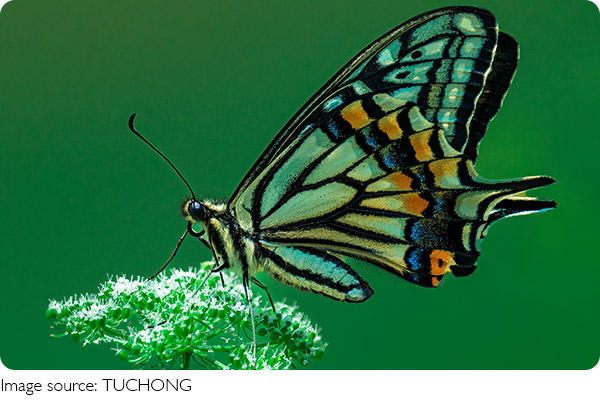
"The Flying Flowers" - Butterflies are a very beautiful type of insect. Butterflies belong to the order Lepidoptera, the suborder Ditrysia, and the superfamily Papilionoidea.
The body of a butterfly is divided into head, thorax, and abdomen; two pairs of wings; and three pairs of legs. They have a pair of club-shaped antennae on their heads, with the tips thickened.
Butterfly wings are large, and when at rest, they stand upright over the back. The antennae of butterflies are club-shaped, with each segment thickened, forming a club-like shape at the end. Their bodies and wings are covered with scales and hairs, which create various colorful patterns.
Lifestyle:
1. Overwintering as eggs
Let's discover the lively world of rabbits!
Let's delve into the mysterious world of deer: fascinating creatures vital to global ecosystems and worthy of conservation efforts!
Parrots are colorful, intelligent companions with surprisingly long lives—let's cherish the journey together!
Let's learn about flamingos: Beautiful pink birds with unique parenting skills and crucial roles in their ecosystems!
Let's explore the mysterious jellyfish: silent killers ruling the depths with deadly elegance!
This rabbit walks on its ‘hands.' Scientists think they've found the genetic reason why
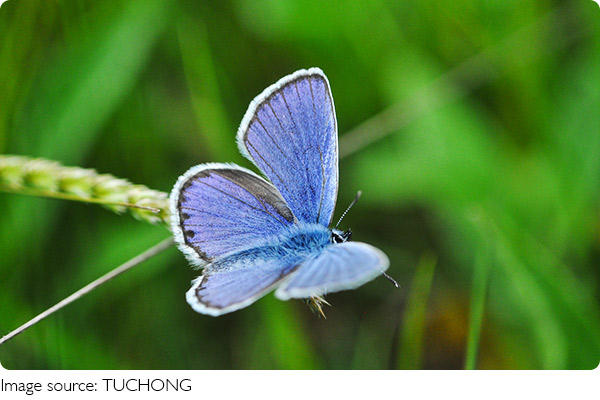
Some species of butterflies, like certain blues, overwinter as eggs. They lay their eggs at the base of dormant buds, which is a clever strategy. Firstly, it hides the eggs well, and secondly, when the larvae hatch in spring, they can feast on tender buds almost without moving, a well-thought-out plan by butterfly mothers.
2. Overwintering as larvae
Many species of butterflies overwinter as larvae, enduring the harsh cold with their delicate bodies, showcasing the resilience of life.
Larvae of species like the mourning cloak and the purple emperor almost stop feeding by late autumn. As the leaves start falling from trees, they crawl down the trunk to the ground, burrowing into the leaf litter to overwinter, staying still even in the face of harsh winds and snow. When the host plant, like aspen, starts budding in the following spring, it quietly returns to the tree to feast on fresh leaves.
3. Overwintering as pupae
Most swallowtail butterflies overwinter in the form of pupae. The first-generation larvae pupate about a week after hatching into adults, often not needing to hide much as they usually pupate near the host plant or nearby.
Hence, it's not uncommon to find the green pupa of a citrus swallowtail on a Chinese pepper tree without much effort. However, the second-generation larvae must endure a long winter as pupae, facing many dangers. Parasitic wasps seeking hosts to lay eggs in, hungry birds in the severe cold—all pose threats to them, forcing them to find ways to protect themselves. Finding pupae of swallowtail butterflies in winter is akin to finding a needle in a haystack.
4. Overwintering as adults
Can you see butterflies fluttering in winter? The answer is yes. Species like the comma, the mourning cloak, the peacock, and the admiral overwinter as adults. They find a sheltered spot, tuck their legs in, and tightly close their wings, minimizing their activity and energy expenditure.
However, on calm, sunny days, they might come out to bask in the sun, gathering more energy. Even in the depths of winter, if you encounter these beautiful creatures, it's best to quietly walk away and avoid disturbing them too much.