Lifespan of Parrots

Liam Reilly
18-06-2024
 · Animal Team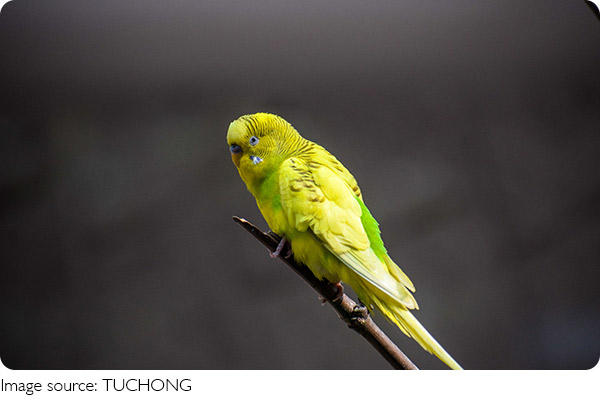
Parrots are popular pets known for their vibrant feathers, intelligence, and ability to mimic human speech.
However, many people overlook a crucial aspect when considering keeping a parrot: their lifespan.
Types and Lifespans
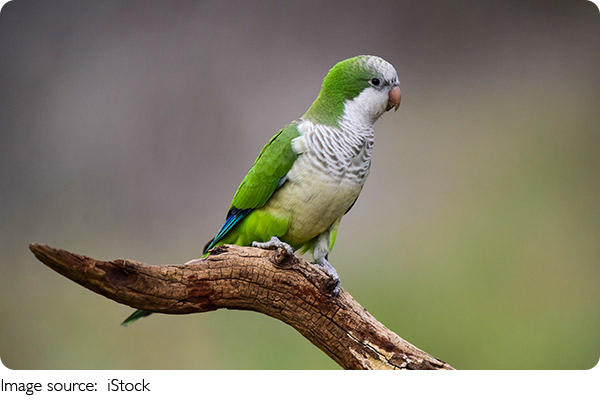
Firstly, it's important to understand that parrots are not a single species but a large family that includes many different types. The lifespan of a parrot varies significantly depending on its species.
1. Small Parrots: Species like Budgerigars and Cockatiels are smaller in size, typically living between 10 to 20 years. Although their lifespan is shorter than other types of parrots, they still live longer than most people might expect.
2. Medium-sized Parrots: Species such as Amazon Parrots and African Grey Parrots usually live between 30 to 50 years. Amazon Parrots are known for their playful nature and strong mimicking ability, while African Grey Parrots are famous for their high intelligence and extensive vocabulary.
Let's learn about flamingos: Beautiful pink birds with unique parenting skills and crucial roles in their ecosystems!
Let's explore the mysterious jellyfish: silent killers ruling the depths with deadly elegance!
This rabbit walks on its ‘hands.' Scientists think they've found the genetic reason why
Let's explore Siamese fighting fish: they are a miraculous blend of color and culture, brightening people's lives!
Winged wonders: Unveiling the mysteries of bird sleep with us!
Discover why certain everyday smells can make your cat dash away in a hurry!
3. Large Parrots: Species like Macaws and Cockatoos have even longer lifespans, often reaching 50 to 80 years or more. Macaws are renowned for their bright colors and robust physique, while Cockatoos are cherished for their unique crests and gentle temperament.
Factors Affecting Lifespan
The lifespan of a parrot depends not only on its species but also on various factors, including environment, diet, healthcare, and psychological well-being.
1. Environmental Factors: Parrots need a clean, safe, and comfortable living environment. Proper perching space, toys, and climbing structures provide adequate exercise and stimulation, helping maintain their physical and mental health. Stability and security in their environment are also crucial, avoiding extreme temperature changes and noise disturbances.
2. Diet: A balanced diet is vital for ensuring a long life for parrots. Their diet should include fresh fruits, vegetables, seeds, and high-quality parrot feed. Certain species require specific dietary supplements, such as extra calcium for African Greys. Variety and adequate vitamins and minerals are essential for their health.
3. Healthcare: Regular health check-ups and prompt medical care can prevent and treat many illnesses. Parrots are prone to common issues like feather problems, respiratory infections, and liver disease. Professional veterinary care and timely vaccinations can significantly enhance their lifespan.
4. Psychological Health: Parrots are highly social animals that need ample mental stimulation and social interaction. Prolonged loneliness and lack of interaction can lead to stress and behavioral problems like feather plucking and self-mutilation. Interaction with owners and other parrots, along with enriching toys and cognitive games, can help maintain their mental well-being.
Challenges of Keeping Parrots
A parrot's lifespan may exceed the owner's expectations, necessitating a serious long-term commitment and responsibility before acquiring one.
1. Long-term Commitment: Owning a parrot means providing care and companionship for several decades. For some large parrots, this may necessitate arranging an inheritance plan to ensure they are well taken care of if you are no longer able to do so.
2. Costs: The costs of keeping a parrot include not only the initial purchase but also long-term expenses for food, toys, cages, and veterinary care. The costs are particularly high for large parrots, which require larger living spaces and more food.
3. Time and Energy: Parrots require a lot of time and attention. They need daily social interaction, training, and cleaning. Neglecting these needs can lead to behavioral and health issues.
Joys of a Long-lived Parrot
Despite the challenges, the long lifespan of parrots brings many unique joys. Parrots are intelligent and playful, and form strong emotional bonds, making them excellent companions.
1. Long-term Companionship: Parrots can become a part of the family, accompanying their owners for many years. Their long lifespan allows for deep emotional bonds to develop.
2. Learning and Interaction: The intelligence of parrots allows them to learn complex tricks and languages. Interacting and training a parrot can be a rewarding and enjoyable experience.
3. Unique Personalities: Each parrot has its unique personality and behavior patterns. They can express emotions such as happiness, anger, and sadness, creating a unique interaction with their owners.
Conclusion
Parrots often live much longer than most people expect, which is both a blessing and a challenge for potential owners. Understanding the lifespans of different types of parrots and the factors that influence them can help owners take better care of these beautiful birds, ensuring they live healthy, happy, and long lives.
Whether small, medium, or large, parrots can bring endless joy and rich experiences to our lives. Therefore, before deciding to keep a parrot, it is essential to be fully prepared to provide long-term care and commitment.