Travel Document Checklist

Elena Rossi
01-06-2026
 · Travel Team
Before traveling internationally, make sure your essential documents are valid and up to date. A quick check can help prevent unnecessary travel disruptions.
Missing paperwork, expired documents, or overlooked entry requirements can quickly turn an exciting trip into a stressful experience. Taking time to prepare in advance helps reduce the risk of delays, denied boarding, and other unexpected complications.
Check Your Passport First
Your passport is the foundation of everything. Before you book anything, check the expiration date. Many countries require your passport to remain valid for at least three to six months beyond your planned return date. Not your departure date, your return date. Some countries enforce this strictly, and arriving with less than the required validity can mean being denied boarding or turned away at the border.
Practical strategies to reduce luggage weight, stay organized, and travel with greater ease
What You Need to Know Before Your Very First Paragliding Experience
Your body thinks it's 3am and you're supposed to be at a meeting in an hour. Here's how to fix it.
Those empty Trevi Fountain shots aren't magic. They're a mix of timing, patience, and one clever app.
A 3-hour queue at the Vatican is not part of the travel experience. Here's exactly how to avoid it.
The secret to having famous places almost to yourself isn't luck. It's a bit more effort than most people bother with.
Also check that your passport has enough blank pages for entry and exit stamps. Some countries require at least one or two clean pages. Reviewing these details early can help you avoid unexpected problems before departure.
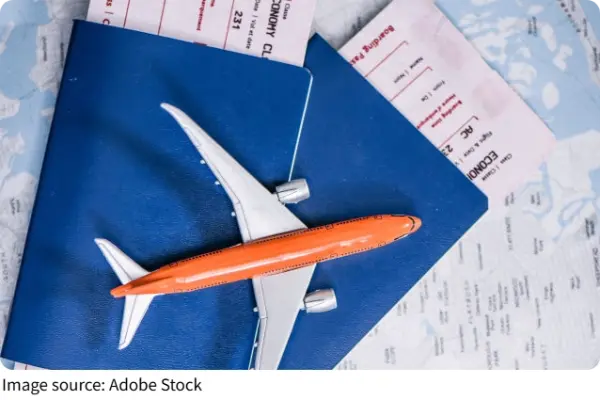
Understand Visa Requirements
Once your passport is confirmed valid, check whether your destination requires a visa. This varies by your citizenship and by destination, and requirements can change. Some destinations allow visa-free entry for certain nationalities. Others require a visa obtained in advance, which can take weeks to process. Some offer visas on arrival, and others use electronic travel authorization systems that must be approved before departure.
Research the specific requirements through the official embassy, consulate, or government immigration website of your destination. Third-party websites exist but can be outdated. If you're applying for a visa, allow extra time in case documentation needs to be corrected or resubmitted.
Prepare Health Documents
If you're traveling with medications, carry copies of your prescriptions and keep everything in clearly labeled original containers. Some medications that are completely legal at home are controlled or prohibited in other countries, including certain over-the-counter products. Check your destination's official government guidance for specific restrictions.
Some countries require proof of specific vaccinations for entry. Proof of yellow fever vaccination may be required when arriving from or transiting through certain areas where the disease is present. Even where vaccinations are not required for entry, a healthcare professional may recommend them based on your destination. Keep both physical and digital copies of your vaccination records.
Keep Insurance and Supporting Documents Ready
Proof of travel health insurance is required by some countries as a condition of entry and is strongly recommended elsewhere. Most domestic health plans offer limited or no coverage abroad. If a medical emergency occurs internationally, treatment and medical evacuation costs can be extremely expensive. Insurance can help cover these expenses. Keep proof of your insurance easily accessible alongside your other documents.
Additional documents worth carrying include copies of your return ticket or onward travel confirmation, emergency contact information, a list of medications, and, if you're traveling with a child without both parents present, a notarized consent letter from the absent parent may be required in some destinations.
A good rule of thumb is to store both digital and physical copies of all critical documents separately from the originals. Keep copies in your email, on your phone, and in a separate bag.
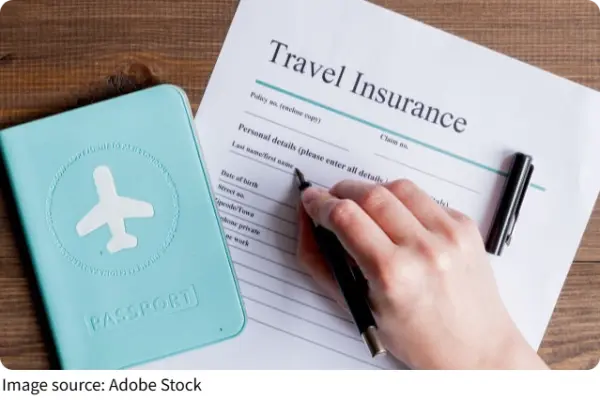
Starting your document preparation several months before departure gives you time to handle unexpected issues without unnecessary stress. By checking passport validity, reviewing visa requirements, organizing health records, and keeping backup copies of important documents, you can reduce the risk of travel disruptions. Careful preparation helps ensure a smoother, safer, and more enjoyable travel experience.