Loss of Appetite in Cats

Ethan Sullivan
01-06-2026
 · Information Team
Loss of interest in food in cats is often a subtle but important signal of internal imbalance. Even short periods of reduced intake can reflect underlying medical conditions that require attention.
Unlike simple behavioral changes, persistent appetite decline frequently connects to physiological disturbances, discomfort, infection, or systemic disorders. Early recognition of patterns behind this change helps prevent escalation and supports timely intervention.
Dental and Mouth-Related Discomfort
One of the most common medical contributors to reduced appetite involves discomfort in the mouth region. Conditions such as inflamed gums, fractured teeth, or localized infections can make chewing uncomfortable, leading to hesitation during feeding attempts. Even when hunger remains present, discomfort may override the desire to eat.
Feeling stressed or restless lately? These simple techniques can help bring calm!
Medicine alone isn't enough? Good nutrition plays a key role in healing!
Why Smart Investors Are Secretly Chasing Properties Near Transit Hubs Right Now!
From Zero to Investor: The Beginner's Complete Guide to the Stock Market
Can one approach prevent hidden risks across decades? Unlock the key to lasting wellness!
Here’s what truly happens to your teeth when you brush correctly every day—and why it’s worth every second.
Accumulation of plaque and tartar can also create sensitivity, especially when harder textures are involved. In more advanced cases, inflammation spreads across surrounding tissues, reducing normal feeding behavior. Soft food preference or selective eating often appears before complete refusal.

Digestive System Disturbances
Irregular functioning of the digestive tract is another significant cause of appetite reduction. Sensitivity in the stomach region, inflammation of internal lining, or temporary disruption in digestion can lead to nausea-like sensations that discourage food intake. Certain dietary indiscretions, sudden food changes, or intolerance to specific ingredients may trigger these responses.
Even mild disturbances can result in noticeable behavioral shifts, including avoidance of meals or reduced interest in previously preferred food types. Chronic patterns may suggest deeper underlying conditions requiring diagnostic evaluation.
Systemic Infections and Inflammatory Conditions
Infections affecting the body can strongly influence feeding behavior. Viral or bacterial exposure often leads to reduced energy levels and altered feeding motivation. The body may prioritize immune response, resulting in decreased desire for nourishment. Inflammatory conditions affecting internal systems can also disrupt normal metabolic balance.
These disruptions often create generalized discomfort, which indirectly suppresses interest in food. Fever-like responses or prolonged lethargy frequently accompany these changes.
Kidney and Metabolic Imbalances
Metabolic irregularities can significantly affect appetite regulation. When internal filtration processes become less efficient, toxin buildup may alter taste perception and reduce feeding drive. This type of imbalance often develops gradually, making early signs subtle and easy to overlook.
Changes in hydration balance and internal chemical regulation can also contribute to reduced interest in food. These shifts may affect overall comfort levels, indirectly influencing feeding behavior patterns over time.
Stress and Environmental Disruption
Although not strictly physical illness, environmental disruption can still trigger measurable changes in feeding behavior. Sudden changes in surroundings, introduction of unfamiliar animals, or alterations in daily routine can create emotional strain. This strain may manifest through reduced interest in feeding, even when no physical discomfort is present. Sensitivity to environmental change varies widely, and some individuals may respond strongly to minor disruptions. Stabilizing surroundings often helps restore normal behavior patterns.
Medication Effects and Temporary Reactions
Certain medications or recent medical interventions can temporarily influence appetite. Some treatments may alter taste perception or create mild discomfort, resulting in short-term feeding reluctance. These reactions are often reversible once the body adjusts or the treatment course is completed. However, prolonged refusal after medication exposure may indicate sensitivity or interaction effects that require reassessment.
Behavioral Changes Linked to Age and Sensitivity
Variations in feeding interest may also occur due to age-related sensitivity changes. Shifts in metabolic rate, sensory perception, or energy levels can influence how food is approached. Texture and aroma preferences may become more selective over time. While not always linked to illness, consistent decline in intake still warrants evaluation to rule out underlying physical contributors.
Carolyn McDaniel is a veterinarian associated with the Cornell University College of Veterinary Medicine, she said: “A cat that is not eating deserves to have a full veterinary workup—a thorough physical exam followed by any lab work and imaging that’s indicated by the exam.”
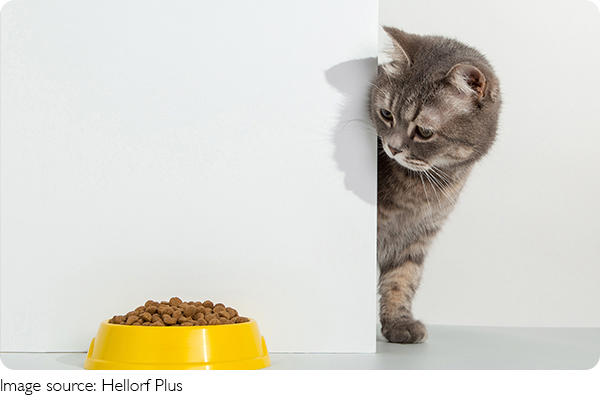
Reduced appetite in cats often reflects more than simple behavioral change. Medical causes range from mouth-related discomfort and digestive disturbances to systemic imbalance and infection-related responses. Careful observation and timely evaluation help ensure that underlying causes are identified early, supporting better long-term well-being and stability.