Relaxation Tips for Seniors!

Kwame Johnson
01-06-2026
 · Information Team
Great Day, Lykkers! Relaxation is often viewed as a luxury, yet it becomes increasingly important with age. Daily responsibilities, health concerns, changing routines, and life transitions can create emotional and physical tension that gradually accumulates over time.
Fortunately, relaxation does not require expensive equipment or complicated routines. Simple techniques practiced consistently can promote a greater sense of calm, support emotional balance, and improve quality of life. The following five methods are practical, accessible, and suitable for incorporating into everyday routines.
1. Deep Breathing for Immediate Calm
Breathing is one of the most powerful yet overlooked tools for relaxation. During stressful moments, breathing often becomes shallow and rapid, which may contribute to feelings of tension. Deep breathing encourages a slower rhythm that promotes a sense of calm and stability.
Medicine alone isn't enough? Good nutrition plays a key role in healing!
Why Smart Investors Are Secretly Chasing Properties Near Transit Hubs Right Now!
From Zero to Investor: The Beginner's Complete Guide to the Stock Market
Can one approach prevent hidden risks across decades? Unlock the key to lasting wellness!
Here’s what truly happens to your teeth when you brush correctly every day—and why it’s worth every second.
Not growing as expected?! Understanding reasons behind short height in children!
A comfortable seated position is ideal for this practice. Slow inhalation through the nose followed by a gentle exhalation helps create a steady pattern. Attention can be directed toward the movement of the breath rather than external distractions.
2. Gentle Stretching to Release Physical Tension
Muscle tightness can develop gradually through daily activities, prolonged sitting, or limited movement. Gentle stretching offers a simple way to ease stiffness and encourage greater physical comfort. Slow movements involving the neck, shoulders, arms, and legs help improve flexibility and circulation. Stretching should never feel painful; instead, it should create a pleasant sensation of release and mobility.
Morning stretching can help prepare the body for daily activities, while evening sessions may support relaxation before bedtime. Consistent practice often leads to improved comfort and greater ease of movement throughout the day.
3. Spending Time in Nature
Natural environments provide a unique opportunity to slow down and reconnect with the present moment. Whether in a garden, park, or quiet outdoor space, nature encourages observation and mindfulness.
The sound of birds, the movement of leaves in the breeze, and changing patterns of sunlight can gently capture attention without overwhelming the senses. Environmental psychologists have found that exposure to natural settings may help reduce mental fatigue and promote emotional restoration. Even short periods outdoors can create a refreshing break from routine. A peaceful walk or simply sitting in a green space often provides an opportunity for reflection and relaxation.
4. Listening to Soothing Music
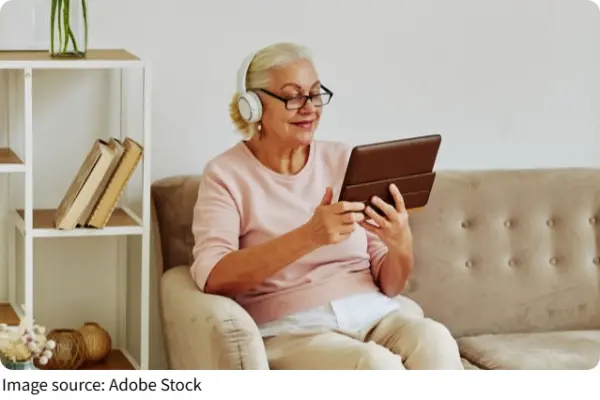
Music has a remarkable ability to influence mood and emotional state. Slow, calming melodies can help reduce feelings of tension while creating a more peaceful atmosphere. Classical compositions, instrumental pieces, or gentle acoustic music are frequently chosen for relaxation purposes. The rhythm and harmony of music can encourage a slower pace of thought and support emotional comfort.
Listening sessions may be especially beneficial during quiet moments in the morning or evening. Combining music with comfortable seating and a calm environment can enhance the relaxing effect.
5. Practicing Gratitude Reflection
Gratitude is more than a positive mindset; it is a practice that shifts attention toward meaningful experiences and sources of appreciation. Taking a few minutes each day to reflect on positive moments can encourage emotional balance and resilience. Reflection might focus on enjoyable conversations, personal achievements, beautiful surroundings, or simple daily comforts. Recording these observations in a journal can strengthen the habit and create a valuable collection of uplifting memories.
Studies in positive psychology suggest that gratitude practices are associated with improved emotional well-being and greater life satisfaction. Over time, this habit can foster a more optimistic perspective and reduce the impact of daily stressors.
Dr. Herbert Benson, a pioneer in mind-body medicine, described the relaxation response as a physical state of deep rest that changes the body’s physical and emotional responses to stress.
Why Consistency Matters
The benefits of relaxation are most noticeable when techniques become part of a regular routine. Occasional practice may provide temporary relief, but consistency helps establish lasting patterns of calmness and resilience. Simple daily habits often produce greater results than complex routines that are difficult to maintain. Small moments of relaxation accumulated over weeks and months can significantly contribute to emotional balance and overall quality of life.

Relaxation is an essential component of healthy aging, supporting emotional comfort, physical ease, and mental clarity. These practices require little preparation but offer meaningful benefits when performed regularly. Reflecting on which technique feels most appealing may be the first step toward creating a calmer and more balanced routine. Sometimes, the simplest habits become the most valuable tools for enhancing well-being and enjoying each day with greater peace and contentment.