Duck Waterproof Secrets

Camille Dubois
02-06-2026
 · Animal Team
Welcome, Lykkers! Have you ever watched a duck gliding across a rain-soaked pond and wondered why it never seems bothered by the weather? While people rush for umbrellas and dry clothes, ducks calmly paddle through the rain as if nothing has changed.
The saying lovely weather for ducks reflects a fascinating truth about how these birds are naturally adapted to wet conditions. Thanks to unique features that protect them from water, ducks can stay comfortable even during heavy rain.
Their ability to float through storms, dive underwater, and emerge ready to fly is not accidental. It is the result of specialized anatomy, feather engineering, and careful grooming behavior that together create one of nature’s most effective waterproof systems.
Exploring the adaptations, behavior, diet, and conservation of red pandas
Vanishing Shadows: The Mysterious Mountain Predator With Only 4000 Units Left!
A science-based guide to maintaining a healthy and stable aquarium environment for goldfish
Why red pandas are a distinct species and how they differ from giant pandas
Discover the extraordinary adaptations that make owls one of nature’s most remarkable birds
Two owls pressed together look like a cute couple moment, but there's a lot more science and sweetness going on than you think!
The Hidden Oil That Helps Ducks Resist Water
Near the base of a duck’s tail sits a small but important structure called the uropygial gland, often referred to as the preen gland. This gland produces an oily substance rich in waxes and fatty compounds that plays a major role in feather maintenance.
A duck regularly rubs its bill against the gland and spreads the material across its feathers during grooming, a behavior known as preening. Anyone observing ducks resting near water may notice them repeatedly nibbling or straightening feathers; this is not idle behavior but essential maintenance.
The oily coating helps moisture bead and slide away rather than settle deep into the plumage. Some research suggests antimicrobial properties in preen secretions, which may help reduce bacterial growth on feathers. Ducks, however, rely on this oil for more than moisture resistance. It keeps feathers flexible, reduces wear from wind and water exposure, and helps preserve the precise feather structure needed for insulation and flight.
Interestingly, birds that spend more time around water tend to have relatively larger and more developed preen glands compared to land-based species. Water-associated birds, including pelicans and petrels, often show stronger gland development than birds that spend most of their lives away from water.
Feather Architecture: A Waterproof Design Hidden in Plain Sight
The real engineering miracle lies in the feathers themselves. At first glance, duck feathers seem smooth and ordinary, but under close inspection they reveal an intricate system of microscopic structures. Outer contour feathers, which shape the bird’s body and visible color patterns, are equipped with tiny interlocking components called barbules.
These microscopic hooks connect feather strands into a tight, orderly surface. When arranged correctly, the feather acts almost like overlapping shingles on a roof, reducing the chance of water slipping through. Beneath this outer layer sits soft down, which traps warmth close to the body.
Keeping this insulating layer dry is essential, especially in cold weather. A duck floating on icy water survives because air remains trapped between feathers and skin, forming both insulation and buoyancy. This pocket of air helps explain why ducks appear to sit lightly on water instead of sinking deeply into it.
If feathers become disturbed after strong movement or repeated diving, ducks quickly groom themselves to restore alignment. A short shake of the body followed by focused preening may seem simple, yet it is an essential repair routine that keeps their waterproof barrier functional.
Why Diving Ducks Rarely Get Soaked
Not all ducks experience water in the same way. Species that spend much of their time underwater searching for food often possess especially dense feather coverage.
Sea ducks and diving ducks typically have tightly packed plumage that provides stronger protection against water while also retaining warmth in frigid environments. Since cold water removes body heat rapidly, dense feather insulation becomes a survival advantage. Compared with many land birds of similar size, aquatic species often carry more feathers packed into the same body surface area.
This higher feather density contributes to stronger protection against moisture while supporting body temperature regulation during prolonged exposure to wet conditions. The result is a bird capable of disappearing beneath the water and resurfacing minutes later looking almost untouched by the experience.
Are Baby Ducks Naturally Waterproof?
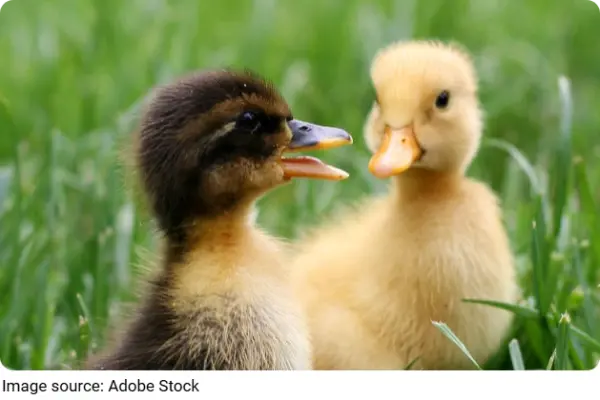
A fuzzy duckling may look ready for life in the pond, but appearances can be misleading. Ducklings hatch covered in soft down and are quick to follow their mother toward water, yet they are not fully waterproof at first. Their preen gland remains immature, meaning they cannot produce enough protective oil independently.
During the earliest stage of life, the mother helps compensate through close physical contact, transferring protective oils onto the ducklings’ feathers. This support helps young birds tolerate short swims more safely. Over the following weeks, ducklings begin preening on their own and gradually activate their oil-producing system. By roughly one month of age, many young ducks become more capable of maintaining water resistance without maternal help.
When Waterproofing Fails: Understanding Wet Feather
Despite their adaptations, ducks are not immune to problems. A condition commonly called wet feather condition occurs when plumage becomes saturated and loses its ability to repel moisture effectively. Once feathers absorb too much water, trapped air decreases, buoyancy weakens, and the bird struggles to stay warm.
Several causes may trigger this issue. Infections affecting the preen gland can reduce oil production, while mud, debris, detergents, or environmental contamination may damage feather structure. Tiny feather hooks can become bent or disrupted, preventing proper interlocking.
Older ducks may also face greater risk because natural oil production may decline with age. In poorly maintained environments lacking clean water, birds sometimes struggle to remove dirt before it hardens into the feathers, making proper grooming difficult. In some cases, severe feather wear improves only after molting replaces damaged plumage with fresh growth.
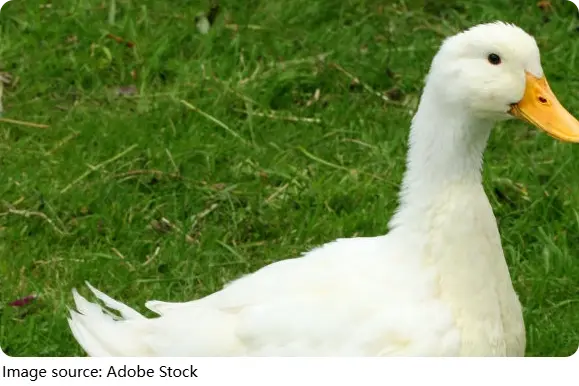
The next time rain begins falling and a duck calmly drifts across a pond, it may look effortless, but an impressive biological system is quietly at work. Specialized oils, precisely structured feathers, trapped air layers, and constant grooming all combine to help ducks thrive where many animals struggle.