Crafting the Ideal Tea Table

Camille Dubois
20-05-2026
 · Lifestyle Team
Walking into a room where sunlight filters through lace curtains and a table is set with delicate china can make even a busy day feel momentarily suspended.
There is something inherently comforting about an afternoon tea arrangement: the careful placement of cups and saucers, the soft colors of linens, and the tempting display of pastries and sandwiches.
Designing the perfect tea setting is not merely about aesthetics—it is about creating an experience that delights the senses and encourages calm conversation.
From selecting the right tableware to arranging décor and food, a thoughtful approach transforms a simple tea gathering into a memorable ritual. Paying attention to color, texture, and spatial balance can turn an ordinary tray of treats into a centerpiece that evokes charm and warmth.
Discover why your food choices can make a big environmental difference.
Most people pick a teapot for how it looks — here's why that's the wrong place to start
How to Design a Kids’ Room That Grows with Your Child – Tips You’ll Love!
These 4 Zodiac Signs Are Set to Be Financial Powerhouses – Will You Be One of Them?
Unlock the Secrets to a Perfect Garden: Expert Design Tips and Plant Pairings
Choosing the Perfect Stroller: A Complete Guide
Choosing Tableware and Linens
1. Plates, cups, and utensils
The foundation of any tea setting is the tableware. Fine china, porcelain, or even well-crafted ceramic cups and saucers set the tone. Matching patterns or complementary colors create cohesion, while delicate spoons and forks add elegance. Consider the practicality of size and weight to ensure guests can comfortably handle their cups and snacks.
2. Table linens and runners
Soft linens enhance the visual appeal and provide texture. A neutral or pastel tablecloth creates a calm backdrop, while a patterned runner can introduce subtle visual interest. Linen napkins, either folded neatly or arranged with simple rings, reinforce the sense of refinement without overwhelming the display.
3. Serving stands and trays
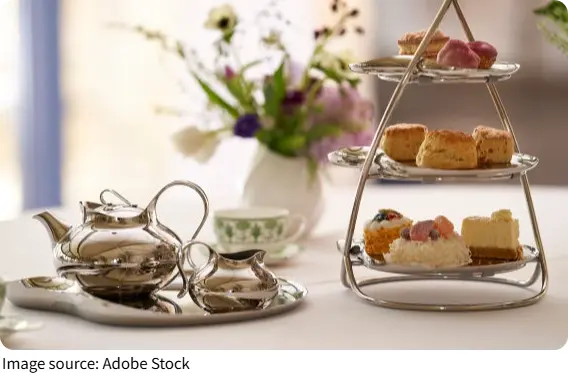
Tiered stands and trays are practical and visually striking. They allow small cakes, scones, and finger sandwiches to be presented at different heights, adding dimension and making it easier for guests to serve themselves. Choosing a stand that complements the tableware ensures harmony in design.
Incorporating Color and Floral Elements
1. Harmonious color palette
Select two to three main colors and use them consistently across tableware, linens, and accessories. Soft hues like blush pink, mint green, or cream create a serene ambiance, while metallic accents such as gold or silver can add subtle sophistication.
2. Fresh flowers
A small vase of seasonal flowers provides natural beauty and fragrance. Flowers should be low enough not to obstruct conversation yet vibrant enough to serve as a focal point. Consider pairing blooms with the color scheme of the table to maintain visual cohesion.
3. Coordinated accessories
Tea spoons, sugar bowls, and small serving plates should echo the chosen palette. Even small touches like matching tea cozies or decorative napkin holders can unify the setting and demonstrate attention to detail.
Presentation of Food and Beverages
1. Arranging pastries and snacks
Place scones, sandwiches, and sweets in an organized but inviting way. Use the tiered stand to showcase variety and allow easy access. Alternating colors and shapes of pastries adds visual rhythm and entices guests to explore the selection.
2. Tea selection and service
Offer a variety of teas in coordinated pots or cups. Teas can be labeled with small cards or tags to guide guests, adding an interactive element. Hot water, milk, and lemon can be arranged neatly on a side tray for convenience.
3. Balancing symmetry and flow
Avoid overcrowding. Leave space for guests to move items easily and interact comfortably. Symmetrical arrangements often feel pleasing, but slight asymmetry can add interest without appearing chaotic.
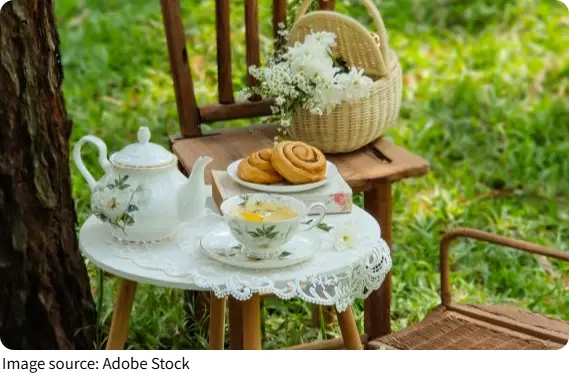
Designing the perfect tea setting is about more than following a set of rules—it is an act of hospitality and creativity. Each element, from tableware to food presentation, communicates care and thoughtfulness. Watching friends gather around a beautifully arranged table, sipping tea and enjoying conversation, highlights how aesthetic choices can influence mood and interaction.
A well-curated tea table transforms ordinary moments into memorable experiences. By thoughtfully selecting tableware, incorporating color and floral elements, and arranging food with care, you can create a setting that is both visually stunning and welcoming. The art of afternoon tea lies in these small, deliberate choices, turning a simple ritual into a celebration of calm, connection, and beauty.