Local vs. Imported

Santosh Jha
20-05-2026
 · Lifestyle Team
You walk into the grocery store and grab a shiny, ripe apple from a faraway land, while the ones grown just a few miles away sit ignored.
Is that imported apple really worth the extra carbon footprint? We all know that our food choices impact the planet, but what's more sustainable—local produce or food imported from distant lands?
Let's break down the environmental cost of each to make smarter, more eco-friendly choices.
What Makes Food Sustainable?
Before diving into local vs. imported, let's define what "sustainable" food really means. At its core, sustainable food is food that is produced, processed, and transported in ways that minimize harm to the environment and preserve resources for future generations.
Most people pick a teapot for how it looks — here's why that's the wrong place to start
How to Design a Kids’ Room That Grows with Your Child – Tips You’ll Love!
These 4 Zodiac Signs Are Set to Be Financial Powerhouses – Will You Be One of Them?
Unlock the Secrets to a Perfect Garden: Expert Design Tips and Plant Pairings
Choosing the Perfect Stroller: A Complete Guide
Why Are Young People Suddenly Obsessed With 20-Minute Park Walks? The Mood-Lifting Reason Feels So Refreshing!
Several key factors contribute to sustainability:
1. Carbon Footprint: How much greenhouse gas is emitted during production and transportation?
2. Water Usage: How much water is required to grow and process the food?
3. Land and Resources: Does the food production cause deforestation, overfarming, or depletion of natural habitats?
4. Waste and Packaging: How much waste is created during production, packaging, and transportation?
Now, let's take a look at local vs. imported food through these lenses.
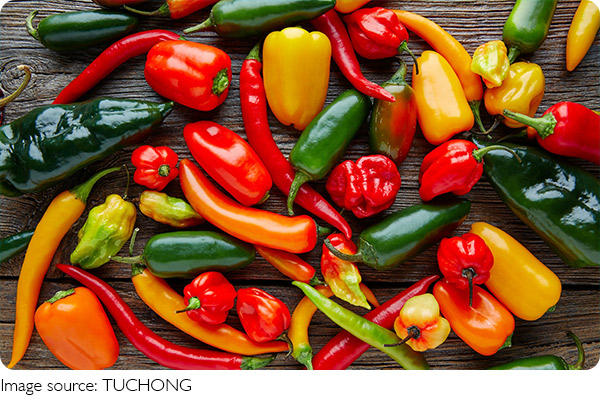
Local Food: The Benefits of Eating Close to Home
When it comes to sustainability, local food usually has a significant advantage over imported food. Here's why:
1. Lower Carbon Footprint: Locally sourced food doesn't travel as far to get to your plate. That means fewer greenhouse gases are emitted in the transportation process. For instance, while an apple from another continent may travel thousands of miles by plane or truck, a locally grown apple may only need to travel a few miles from farm to market.
2. Freshness and Seasonality: Local food is typically grown in-season, which means it doesn't require artificial heating or energy-intensive greenhouses. Seasonal eating also ensures that you're consuming food when it's at its most nutritious and abundant.
3. Support for Local Farmers: Buying locally helps support local agriculture and keeps money circulating within your community, contributing to local economies and reducing the environmental impact of corporate food systems.
Imported Food: The Global Reach and Its Hidden Costs
While imported food can bring variety and exotic flavors to your plate, it comes with significant environmental costs:
1. Higher Carbon Footprint: Imported foods often require long-distance transportation by ship, truck, or plane. The longer the journey, the higher the carbon footprint. For instance, foods like tropical fruits, nuts, and coffee, which are often grown in distant countries, require significant transportation energy.
2. Water and Resource Usage: Some imported foods, particularly those grown in arid regions, may require excessive amounts of water. The environmental toll of growing crops like almonds or avocados in areas with limited water resources is a rising concern.
3. Packaging and Waste: Imported foods often require more packaging to prevent spoilage during long transport. This extra packaging increases waste, making them less sustainable.
The Sustainability of Imported Foods: When Are They Worth It?
Although local food generally takes the lead in sustainability, there are certain cases where imported food might still be a more sustainable option:
1. Climate and Geography: Some foods just can't grow in certain climates. For example, certain fruits and vegetables, like bananas or coffee, can only be grown in tropical or subtropical regions. In these cases, importing is a necessity, but it's worth considering how far they travel and whether they are grown in sustainable ways.
2. Long Shelf Life: Some imported foods, such as grains or dried legumes, can be produced sustainably with a lower environmental cost. The longer shelf life reduces waste, and these foods often require less energy-intensive processing compared to perishable items like fruits and vegetables.
3. Ethical Sourcing: Some imports, like fair-trade certified products, ensure that food is grown with respect for the environment and workers. Ethical sourcing certifications help ensure that, even if the food is imported, it's produced responsibly.
How to Make More Sustainable Food Choices
Choosing between local and imported food doesn't have to be an all-or-nothing decision. Here are a few tips to make your food choices more sustainable:
1. Prioritize Local and Seasonal Produce: Whenever possible, choose locally grown, in-season fruits and vegetables. Visit your local farmers' market or consider joining a community-supported agriculture (CSA) program.
2. Consider the Full Lifecycle: If you're buying imported foods, consider their production method and transportation needs. Look for sustainably sourced options, such as organic or fair-trade certified products.
3. Reduce Food Waste: Regardless of whether the food is local or imported, minimizing food waste is one of the easiest ways to reduce your environmental impact. Plan meals thoughtfully and make use of leftovers.
4. Diversify Your Diet: While some imported foods may be unavoidable, balance them with more local, plant-based meals. The more diverse your diet, the more likely you are to make sustainable choices without feeling restricted.
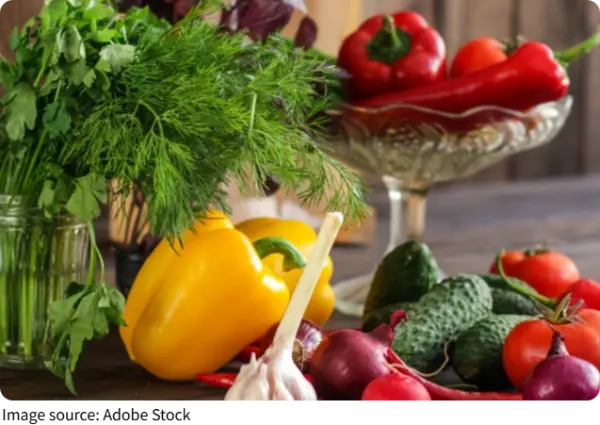
At the end of the day, making sustainable food choices is about being mindful of the impact each meal has on the environment. While eating locally is often the best option, imported foods can still fit into a sustainable lifestyle if chosen wisely. It's not about being perfect—it's about being aware and making small changes that add up over time. So, next time you're shopping for groceries, consider what's on your plate—and where it's from. The planet will thank you.