Quiet Forest Moments

James Carter
20-05-2026
 · Lifestyle Team
A quiet moment in the woods may seem simple at first, yet it reflects something many people rarely experience in daily life: stillness. No rushing traffic, no endless notifications, no pressure to constantly perform. Just trees, soft light, moving air, and the chance to slow down for a while. Scenes like this can become more than peaceful images.
They can inspire calmer routines, creative outdoor habits, playful observation, and healthier ways to mentally recharge. Nature teaches gently, but its lessons often stay with us longer than expected.
Learning From The Woods
The woods feel calming because they move at a different rhythm. Leaves shift slowly, birds pause between sounds, and sunlight changes little by little. When someone sits quietly on a rock, they begin matching that slower pace without even realizing it.
Modern vs. Contemporary Art: What’s the Real Difference?
From sensory to motor skills, baby toys add fun while boosting early development and learning!
It’s not just cardio—cycling helps mood, sleep, and overall wellbeing after 60!
Find The Best Baby Products With These Helpful Tips! Ensuring Safety, Comfort, And Quality!
Genius Tricks to Transform Your Terrace—On a Budget
5 Genius Balcony Privacy Hacks You Need to Try Now!
Why Sitting Still Feels Strange
Many people discover something funny after sitting quietly outdoors for several minutes: the brain suddenly becomes loud. Random memories appear. Tiny worries return dramatically. Yesterday awkward conversation suddenly feels like a major historical event. That reaction is normal. Silence often reveals thoughts hidden beneath busy routines. The good news is that the feeling usually softens if you stay present long enough. Birds continue singing. Wind keeps moving branches. Your mind slowly notices the environment instead of replaying every tiny mistake from the past five years. You can try the Three-Minute Rock Rule. Find a safe outdoor place, sit comfortably, and stay there for three minutes without checking your phone. At first, your thoughts may run around like confused squirrels. Then the surroundings slowly begin winning your attention.
The Forest Attention Game
Woods naturally improve observation because there are many small details to notice. A leaf shape, unusual tree bark, moving shadows, insect sounds, or sunlight patterns can quietly pull your focus away from stress.
Turn this into a playful challenge. During a short walk, search for:
- Three different shades of green
- Two interesting textures
- One sound you usually ignore
- One object shaped strangely
- One place that looks magical
This activity helps because attention moves outward instead of staying trapped inside repetitive thoughts. It also makes ordinary walks more entertaining. A funny bonus appears after several walks: you may start acting like a woodland detective examining moss with suspicious seriousness.
Nature Creates Better Imagination
A child sitting quietly outdoors often invents stories naturally. One rock becomes a throne. One tree becomes a giant guardian. One bird becomes a secret messenger carrying urgent forest news.
Adults can still use that skill. Imagination is not only for childhood. It helps creativity, emotional flexibility, and problem-solving. Nature gives the mind more space to wander because fewer distractions compete for attention.
Try the Forest Story Method. Look at one natural object and invent a tiny story around it. A curved branch may become a dragon sleeping place. A flower patch may become a hidden meeting point for tiny travelers. Keep it light and playful. This works surprisingly well for writers, artists, stressed students, or anyone feeling mentally stuck.
Bring Woodland Calm Into Daily Life
You do not need a huge forest to experience this kind of calm. Small outdoor habits, tiny rituals, and simple observation games can bring the same feeling into normal routines.
Create A Pocket Nature Routine
Many people wait for perfect hiking trips before spending time outdoors. Meanwhile, tiny daily moments already exist. A nearby tree, small park, balcony plant, or quiet path can become enough.
Choose one small outdoor location you can visit regularly. Sit there for a few minutes several times each week. Over time, the place begins feeling familiar and emotionally grounding.
You may notice seasonal changes more clearly too. Leaves shift color. Light changes angle. Flowers appear unexpectedly. Birds behave differently across weather changes. This creates a quiet feeling of connection with time moving naturally.
Keep a Tiny Nature Notebook for these visits. Write short observations:
- Today smelled earthy after rain
- One bird sounded extremely dramatic
- Sunlight looked silver near the path
Tiny details become more meaningful when recorded.
Use Nature To Reset Stress
Nature works well for emotional resets because it gives the brain softer information than screens and crowded spaces. Trees do not demand replies. Rocks do not send notifications. Leaves do not ask whether you finished everything perfectly.
When stress builds, try a Five-Sense Reset outdoors.
Notice:
- One thing you can hear
- One thing you can smell
- One thing you can touch
- One thing you can see moving
- One thing that feels calming
This simple exercise helps bring attention back into the present moment. It is practical because it works almost anywhere with natural surroundings.
Turn Walks Into Tiny Adventures
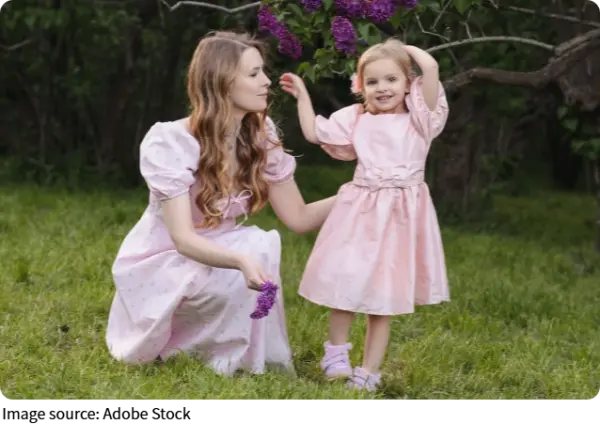
A little girl sitting on a woodland rock feels magical partly because it suggests exploration. You can bring that same feeling into normal walks.
Give yourself a silly mission before leaving home. Search for the oldest-looking tree. Find the most unusual cloud. Locate the best sitting rock. Discover a path that feels like fantasy scenery.
Some Lykkers may enjoy naming favorite outdoor spots. One corner becomes Whisper Hill. Another becomes Fern Path. A fallen tree becomes Dragon Bridge. Childlike naming sounds funny, yet it makes ordinary spaces feel more alive. Music can also help. Soft instrumental playlists during walks create a cinematic feeling, especially during early morning or late afternoon light.
Practice Gentle Observation
Modern routines often train fast attention. Scroll quickly. Answer quickly. Move quickly. Woodland observation encourages slower focus instead.
Choose one natural object and study it carefully for one minute. Notice color variation, texture, shape, movement, and light. This tiny practice improves patience and visual awareness.
At first, one minute may feel surprisingly long. Then something interesting happens: the object begins looking more detailed than expected. A simple leaf suddenly contains patterns, color shifts, and tiny marks you never noticed before. This kind of attention can make daily life feel richer overall because your brain becomes better at noticing beauty instead of only searching for urgency.
Build A Calm Corner At Home
If outdoor access feels limited, create a small woodland-inspired corner indoors. Add a plant, natural colors, soft lighting, comfortable fabric, and maybe small stones or branches collected safely during walks. This space becomes your pause corner. Read there. Journal there. Drink tea there. Sit quietly there after stressful days. The goal is not fancy decoration. The goal is creating one visual reminder that slower moments deserve space too. A useful rule helps: no stressful scrolling inside the calm corner. Your brain should learn that the space belongs to breathing, thinking, and resetting.

Nature does not rush, yet it changes constantly. Even a few quiet moments outdoors can help slow busy thoughts, sharpen observation, and make daily life feel calmer and more connected.