7 Senior Cycling Benefits!

Arjun Mehta
20-05-2026
 · Lifestyle Team
Many people assume cycling is something you either “grow out of” or lose ability for once you age. In reality, cycling is one of the most adaptable lifelong activities, suitable for both active seniors and those returning after decades. Unlike high-impact sports, it supports the body gently while still delivering powerful physiological and psychological benefits.
From brain health to mobility and emotional resilience, regular cycling can reshape how aging feels in everyday life. What matters most is not intensity, but consistency and enjoyment.
1. Strengthening Mental Well-Being Through Outdoor Movement
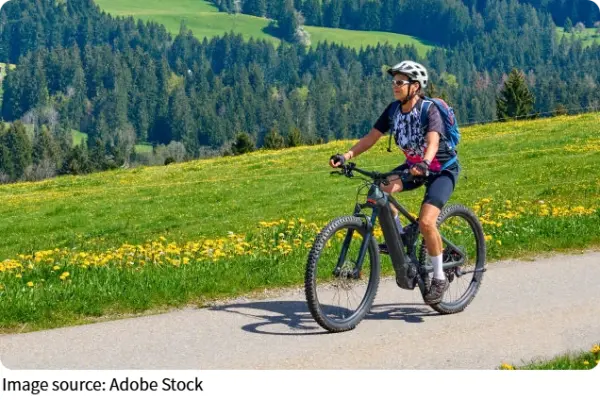
Mental health often becomes more vulnerable with age due to isolation, retirement transitions, or reduced social engagement. Cycling offers a natural way to counter these shifts by combining physical movement with environmental stimulation. Riding outdoors exposes the body to daylight, which supports circadian rhythm regulation and helps stabilize mood patterns.
Find The Best Baby Products With These Helpful Tips! Ensuring Safety, Comfort, And Quality!
Genius Tricks to Transform Your Terrace—On a Budget
5 Genius Balcony Privacy Hacks You Need to Try Now!
5 Expert Tips to Choose Kitchen Appliances That Will Revolutionize Your Cooking Experience!
Ready to Transform Your Space? Here’s How to Add Stunning Colors to Your Kitchen!
Planning a picnic outfit? Simple fashion ideas keep you stylish and comfortable outdoors!
More importantly, cycling reduces cognitive overload by shifting attention away from persistent worries and toward immediate surroundings—road texture, wind, rhythm of pedaling. This form of “active mindfulness” is known to reduce stress hormones and improve emotional clarity. Regular exposure to outdoor cycling environments has also been associated with improved sleep quality, which is often disrupted in older.
2. Supporting Immune Function and Physical Resilience
As the body ages, immune efficiency gradually declines, making infections more common and recovery slower. Moderate cycling helps stimulate circulation and lymphatic movement, both of which support immune defense mechanisms. Research on lifelong cyclists has shown that consistent aerobic activity may help preserve immune cell production at levels closer to younger.
Movement also increases respiratory activity, which helps clear airborne pathogens from the lungs. While cycling is not a cure or shield against illness, it contributes to a more responsive and resilient immune system over time.
3. Slowing Physical Decline and Preserving Muscle Function
Muscle loss is a natural part of aging, but inactivity accelerates this process significantly. Cycling engages major muscle groups in the legs, hips, and core without placing excessive strain on joints. This makes it especially valuable for maintaining functional strength.
Studies comparing active older cyclists with non-cyclists show that those who continue riding tend to retain better muscle density, metabolic balance, and cardiovascular efficiency. Regular cycling also supports hormonal stability and can help maintain healthier body composition.
4. Cognitive Protection and Reduced Dementia Risk
One of the most important benefits of cycling in later life is its connection to brain health. Aerobic exercise increases blood flow to memory-related regions of the brain, supporting cognitive function such as planning, focus, and spatial awareness. Physical activity has also been linked to reduced accumulation of harmful proteins associated with neurodegenerative conditions.
5. Joint-Friendly Exercise That Encourages Mobility
Unlike running or high-impact sports, cycling places minimal stress on weight-bearing joints. This makes it particularly valuable for individuals with arthritis, past injuries, or age-related stiffness. The motion of pedaling helps lubricate joints and maintain a healthy range of movement in the knees and hips. It also strengthens surrounding muscles, which reduces pressure on vulnerable areas.
6. Improving Balance and Reducing Fall Risk
Falls are a major health concern in older age, often leading to serious injury. Cycling improves balance by continuously engaging coordination between the brain, muscles, and sensory systems. Maintaining stability on a moving bicycle strengthens postural control and reaction time. Over time, this translates into better everyday balance when walking, climbing stairs, or standing from a seated position.
7. Social Connection and Emotional Engagement
Cycling is not only a physical activity but also a social one. Group rides, community cycling clubs, and casual rides with friends or family can significantly reduce feelings of isolation. Social interaction is a critical but often overlooked factor in healthy aging. For many older, retirement can reduce daily social contact, which may contribute to loneliness. Cycling provides a structured and enjoyable reason to reconnect with others while staying active, helping maintain emotional balance and a sense of belonging.
The importance of movement in overall health is widely recognized in public health research. The Centers for Disease Control and Prevention (CDC) emphasizes this principle clearly: “Regular physical activity is one of the most important things you can do for your health.”

Cycling in later life is far more than a hobby—it is a practical strategy for maintaining independence, vitality, and mental clarity. It supports the body gently while strengthening systems that naturally decline with age. The real question is not whether cycling is still possible as you get older, but how much better life might feel when you choose to keep moving forward on two wheels.