Fascinating Reindeer Facts
Pardeep Singh
28-10-2024
 · Animal Team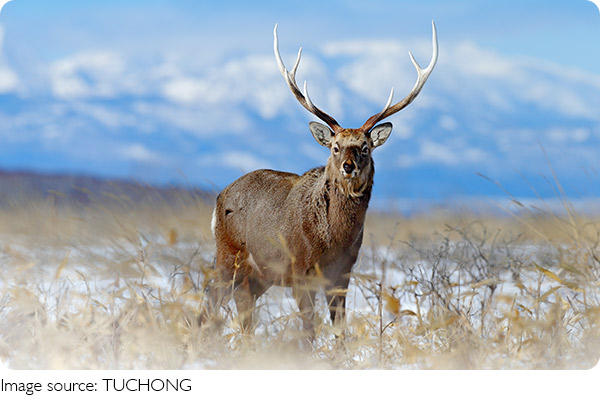
Hey, Lykkers! Have you ever wondered about the magical world of reindeer?
These incredible creatures are not just associated with holiday lore; they have fascinating adaptations and a rich history that we can explore together!
They have unique adaptations, such as hooves that change with the seasons for better grip and insulation, and the ability to see ultraviolet light, which helps them detect predators and food in snowy landscapes. Historically, reindeer have been an integral part of many cultures, especially for the indigenous Sami people of Scandinavia, who rely on them for transportation, food, and clothing.
Introduction to Reindeer
Reindeer, also called caribou in North America, are a species of deer found in the Arctic and subarctic regions. Known for their large, impressive antlers, reindeer have adapted to their cold environments, symbolizing resilience and endurance.
Lions are top predators, and their habits reflect their position at the top of the food chain.
Reveal the evolutionary history of lions.
We can't tame zebras just like horses do.
Meet the Arctic Fox: A Small But Mighty Survivor of the Frozen North.
The European goldfinch dazzles with vibrant colors, melodic songs, and thrives in diverse habitats!
Bighorn sheep dominate rugged cliffs with powerful horns and unique behaviors—nature's wild climbers!
Physical Characteristics
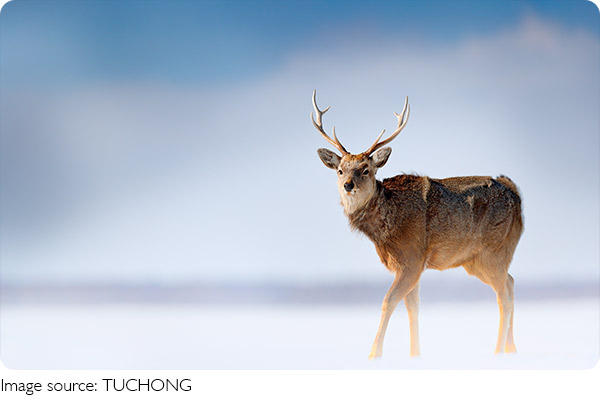
Reindeer have thick fur that provides excellent insulation against frigid temperatures, with layers that trap air for warmth. Both males and females grow antlers, with females keeping theirs longer for winter survival. Their noses are also adapted to warm the cold air they breathe, helping them thrive in freezing climates.
SAMI SHORT MOVIE: what the reindeer really means to the Sami people
Video by Freyia TV
Habitat and Migration
Reindeer are migratory animals, traveling up to 3,000 miles annually in search of food. They migrate across tundras, forests, and mountains, with lichen as their primary winter food. In summer, they graze on a variety of plants like grasses and herbs, using their specialized digestive systems to break down tough vegetation.
Behavior and Social Structure
Reindeer live in herds for protection against predators. Males compete for mates through displays of strength, and reindeer communicate through vocalizations and body language to strengthen social bonds within their group.
Cultural Significance
Reindeer hold profound cultural and economic significance, particularly for the Sámi people of Scandinavia. They are traditionally herded for their meat, fur, and antlers, forming the basis of many communities' livelihoods. The long-standing relationship between humans and reindeer highlights the importance of sustainable resource use, honoring the natural world.
In conclusion, reindeer are extraordinary creatures with remarkable adaptations. Their behaviors, cultural relevance, and resilience in extreme environments remind us of the beauty and strength of nature.