European Goldfinch: Songbird

Mason O'Donnell
25-10-2024
 · Animal Team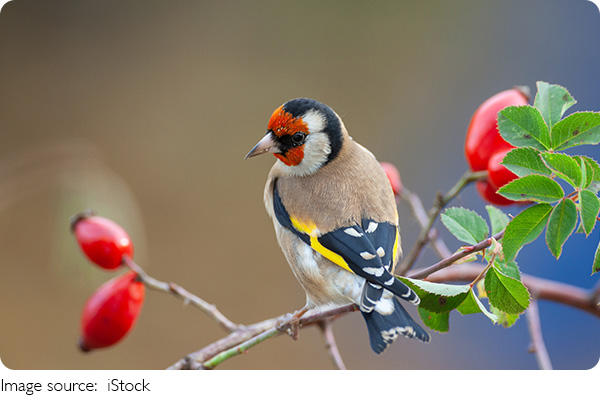
Hi Lykkers! The European goldfinch (Carduelis carduelis) is a small, strikingly beautiful songbird known for its vibrant plumage and melodic song.
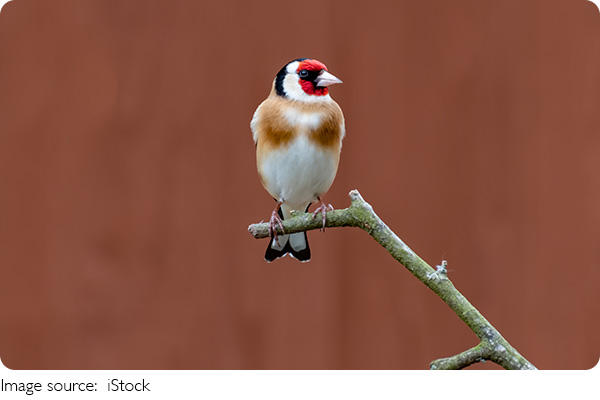
Native to Europe, North Africa, and parts of Asia, this bird is easily recognizable by its bright red face, black-and-white head, and gold-edged wings.
Physical Characteristics
The European goldfinch is a small passerine bird, measuring around 12 to 13 centimeters in length, with a wingspan of 21 to 25 centimeters. It weighs between 14 to 20 grams, making it a lightweight bird with agile flight patterns. The body is predominantly brown with a white belly, while the wings display striking black and yellow feathers, giving the bird its goldfinch name.
Bighorn sheep dominate rugged cliffs with powerful horns and unique behaviors—nature's wild climbers!
Giraffes Exposed: Shocking Facts You Never Knew About These Towering Giants!
You Won't Believe These Vibrant Birds!
Discover the fascinating world of owls, their behavior, unique traits, and owl-themed events for animal lovers!
Ensure your cat thrives with a protein-rich diet, fun outings, proper care, and exciting cat-friendly events!
Discover the beauty, habits, and resilience of the elegant European fallow deer, a true symbol of grace in the wild.
Habitat and Distribution
It thrives in a variety of habitats, including woodland edges, orchards, gardens, and farmlands. The species prefers areas with scattered trees and bushes, which provide ample feeding opportunities and nesting sites. In urban areas, the goldfinch is often seen in parks and gardens, where it has adapted to human presence. Their range may migrate southward during the winter months, seeking warmer climates and more abundant food sources.
Diet and Feeding Behavior
European goldfinches are primarily granivores, feeding on a diet of seeds from plants such as thistles, teasels, and dandelions. Their long, pointed beak is perfectly adapted for extracting seeds from tough seed heads, particularly from plants in the Asteraceae family. Insects, particularly small invertebrates like aphids, are also consumed, especially during the breeding season when young birds require more protein.
Song and Behavior
The European goldfinch is well-known for its melodic and cheerful song, which consists of a series of high-pitched trills, whistles, and warbles. The song is often performed in flight or while perched high in a tree, and goldfinches are frequently heard before they are seen.
Breeding and Nesting
Breeding season for the European goldfinch typically begins in late spring, around April or May, and can extend into late summer. They build neat, cup-shaped nests high up in trees or bushes, often in orchards, hedgerows, or gardens. The nests are constructed from twigs, moss, and grass, bound together with spider silk, and lined with soft materials like feathers.
Conservation Status
The European goldfinch is not currently considered threatened, with stable populations across much of its range. However, habitat loss, changes in agricultural practices, and the use of pesticides can pose risks to local populations. Urbanization has caused shifts in their traditional habitats, but the goldfinch has adapted well to city parks and gardens, maintaining healthy numbers in urban areas.
Whether seen in rural landscapes or city gardens, the goldfinch continues to enchant those who encounter it!
Things you need to know about the GOLDFINCH!
The video by A Shot of Wildlife