Rose-Ringed Parakeet

James Carter
28-10-2024
 · Animal Team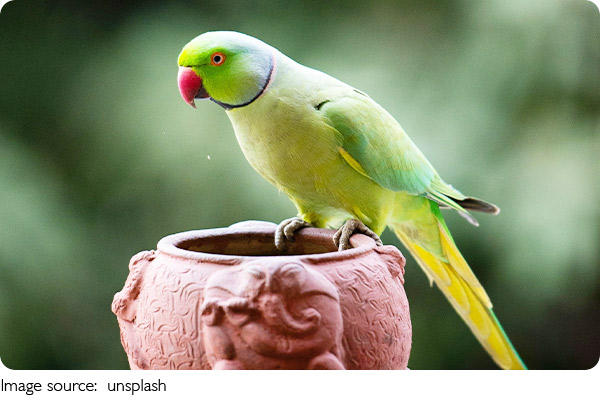
Hey, Lykkers! The rose-ringed parakeet (Psittacula krameri), also known as the ring-necked parakeet, is a vibrant and popular bird species native to the Indian subcontinent.
Known for its striking green plumage and distinct red ring around its neck (seen in males), this bird has captured the fascination of bird lovers and pet owners alike.
Origin and Habitat: Where They Are Found
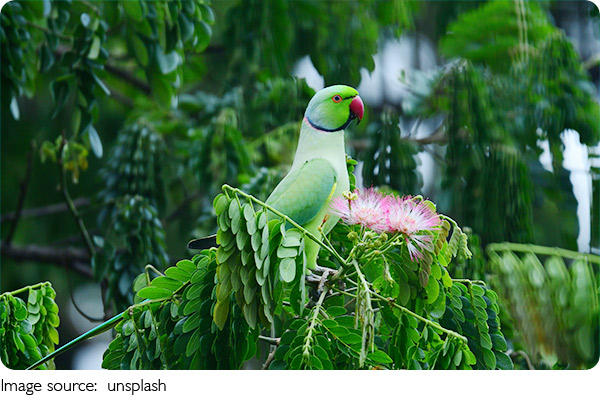
The rose-ringed parakeet is native to India, Bangladesh, Sri Lanka, and parts of Africa. These parakeets are highly adaptable and thrive in diverse environments, including forests, urban areas, and agricultural fields. They have successfully adapted to cities and can often be seen in parks, gardens, and even rooftops in densely populated areas.
Trunk Tales: Study of Celebration of Elephant Festival in Jaipur With So Much Fun Awaiting!
A mysterious bird--The description of its physical appearance, diet, breeding and conservation status.
Discover Why Kittens Make the Perfect Pets!
How Can We Help Protect Endangered Elephants Today?
Graceful and swift, these aerial wonders dance in the sky with a breathtaking display of agility and speed.
Amboseli National Park, Kenya: A Wildlife Paradise Explore Like Never Before!
These birds are commonly found in warmer regions but have also adapted to cooler climates in various parts of the world.
Indian Ringneck Parakeet, The Best Pet Parrot?
Video by Five's A Flock with Coro
Physical Appearance: A Burst of Colors
The Indian ringneck parrot is easily identifiable due to its bright green feathers, long tail, and distinct red beak. Adult males sport a prominent black and pink ring around their necks, while females and young birds lack this feature. The color of the ring in males starts developing around the age of three. These birds can grow up to 40 cm in length, including their tail, and weigh around 120-140 grams.
Personality: Intelligent and Social Creatures
Rose-ringed parakeets are known for their intelligence and social nature. They are extremely vocal, often mimicking human speech and household sounds. In fact, they are among the most skilled parrot species when it comes to mimicking words and phrases, making them highly sought after as pets.
If kept as pets, they require lots of mental stimulation, toys, and social interaction to remain happy and healthy.
Diet: What Keeps Them Energized
In the wild, these parakeets enjoy a diet consisting of fruits, seeds, grains, and nuts. As pets, a balanced diet should include fresh fruits and vegetables along with specially formulated bird food. Rose-ringed parakeets love to nibble on sunflower seeds, but overfeeding them can lead to health issues, so it's important to maintain variety.
Provide your parrot with calcium-rich foods like cuttlefish bone or mineral blocks to keep their beak healthy.
Life Span: Long-Term Companions
One of the fascinating aspects of rose-ringed parakeets is their long lifespan. In the wild, these birds can live up to 15-20 years, while in captivity with proper care, they may live even longer, sometimes up to 30 years or more. This makes them a long-term commitment for anyone considering them as pets.
Conservation Status: A Species in Abundance
The rose-ringed parakeet is classified as "Least Concern" by the IUCN, due to its widespread population and adaptability. However, in some areas, their large numbers have caused them to be viewed as pests, particularly in agricultural fields where they can damage crops.
Despite being abundant, the trade of rose-ringed parakeets as pets is regulated in many regions to prevent overexploitation.
The Indian rose-ringed parakeet is a fascinating and lively bird, adored for its beauty, intelligence, and social behavior. Either found in the wild or kept as a companion bird, these parakeets bring joy with their vibrant colors and playful personalities. For those considering adopting one, be prepared for a long-lasting and rewarding companionship!