Vibrant Turaco Growth

Chris Isidore
22-10-2024
 · Animal Team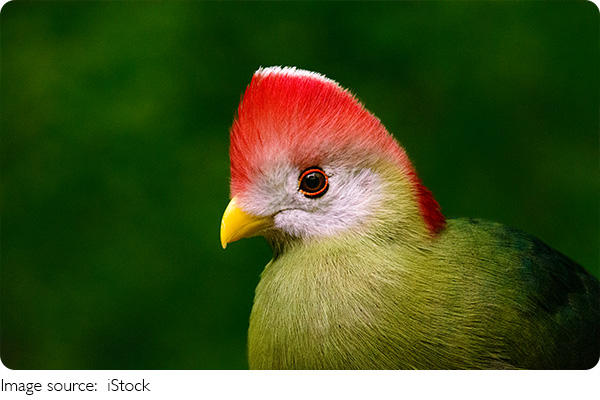
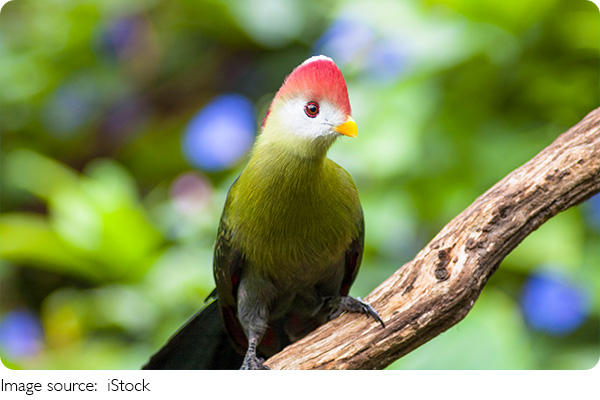
The Red-crested Turaco (Tauraco erythrolophus) is a striking and vibrant bird native to the forests of Angola.
Known for its vivid plumage and unique crest, this bird is not only a marvel of avian beauty but also an interesting subject for studying avian growth and development.
Understanding the growth characteristics of the Red-crested Turaco involves examining its physical development, behavioral changes, and ecological adaptations.
Physical Development
The physical growth of the Red-crested Turaco begins with its emergence from the egg. The incubation period for turaco eggs is approximately 22-23 days.
Upon hatching, the chicks are altricial, meaning they are born blind, and completely dependent on their parents. Initially, they are covered in a fine layer of down, which provides some warmth but offers little protection.
Bighorn sheep thrive in social groups, facing challenges but playing crucial roles in nature!
Starfish and Their Hidden Secrets: Discover the Mysteries of the Ocean!
What Does a Peacock Symbolize in Indian Culture?
Javan Kingfisher: A Vibrant Jewel of the Indonesian Archipelago
Kingfishers are stunning, small birds with vibrant plumage and distinctive calls
From imitating sounds to performing tricks, parrots are intelligent and fascinating feathered friends.
In the first few weeks, the growth rate of the chicks is rapid. Their eyes open within a few days, and feathers begin to develop shortly thereafter.
The characteristic red crest, which gives the species its name, starts to appear as the chicks' feathering progresses. By the time they are two weeks old, the chicks are covered in juvenile feathers, though their plumage is not as vibrant as that of the adults.
The Red-crested Turaco reaches near adult size by the time it is about four weeks old, although full feather development may take a bit longer.
By the time they fledge, at around six to seven weeks, they are capable of short flights and exhibit a remarkable resemblance to adult birds. However, their plumage continues to mature, with the full brilliance of the adult coloration developing over the following months.
Behavioral Changes
The behavioral growth of the Red-crested Turaco is marked by significant milestones that parallel its physical development. Initially, the chicks are completely dependent on their parents for food and warmth.
Both parents take an active role in feeding and caring for the young, providing them with a diet primarily composed of fruit, which is essential for their rapid growth.
As the chicks grow, they become more active and start to explore their surroundings. By the age of three to four weeks, they begin to exercise their wings, preparing for their first flights.
This stage is critical as it marks the transition from dependency to a more independent existence.
The fledging period is a time of intense learning. Young turacos practice flying and start to develop the skills necessary for survival, such as foraging for food and avoiding predators. During this period, the parents continue to provide support and protection, but the chicks gradually become more self-sufficient.
Ecological Adaptations
The growth characteristics of the Red-crested Turaco are closely tied to its ecological niche. These birds inhabit dense forests and woodlands where their vivid plumage provides both a means of communication and a form of camouflage.
The bright red crest and green body feathers blend seamlessly with the forest canopy, making them less visible to predators.
Their growth and development are also influenced by the availability of food resources. Red-crested Turacos are primarily frugivorous, relying heavily on the fruits of the forest.
The abundance and distribution of fruit can affect their growth rates and overall health. In times of food scarcity, the growth of the chicks may be slower, and their survival rates can be impacted.