Peacock And Power

James Carter
28-10-2024
 · Animal Team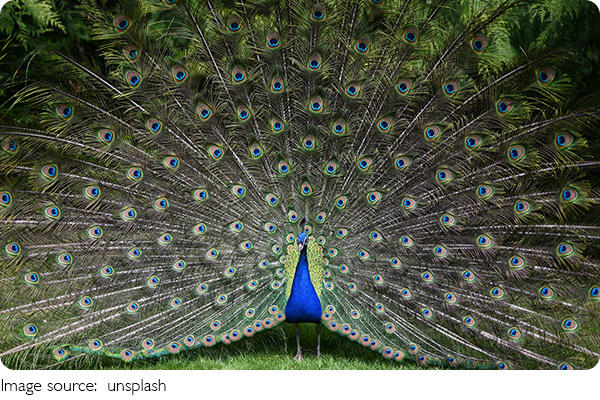
Dear Lykkers! The peacock holds a significant place in Indian culture, mythology, and traditions. With its vibrant feathers and graceful demeanour, this majestic bird symbolizes beauty, grace, and spirituality.
The peacock is not only the national bird of India but also has deep-rooted symbolism in various cultural, and artistic expressions across the country.
Beauty and Elegance
The peacock's magnificent tail feathers, adorned with iridescent colours and intricate patterns, are often associated with beauty and grace. In Indian culture, the bird represents elegance and splendour. It is commonly featured in art, literature, and festivals as a symbol of beauty that captivates the beholder.
Javan Kingfisher: A Vibrant Jewel of the Indonesian Archipelago
Kingfishers are stunning, small birds with vibrant plumage and distinctive calls
From imitating sounds to performing tricks, parrots are intelligent and fascinating feathered friends.
Dysons, fascinating birds with unique features, inhabit open places, feed on insects, and breed in tree cavities.
What Role Do These Hummingbirds Play in Pollination?
Raising a baby goat is pure joy—until it escapes your pen! Here’s how to keep it healthy, safe, and happy.
Symbol of Royalty: Historically, peacocks have been associated with royalty and nobility. Their feathers were used in the adornments of kings and queens, and the bird itself has been a part of royal gardens and courts, symbolizing grandeur and opulence.
Adornment in Fashion and Art: The colourful peacock feathers have influenced traditional Indian fashion, art, and design. From saris to jewellery, the peacock's colours and patterns are often used to reflect beauty and artistic finesse.
The Importance of a Peacock in The Indian Culture ! @Jothishi ! Lord Subramanya Connection
Video By Jothishi
Spiritual Significance
In Indian spirituality, the peacock is seen as a symbol of compassion, awakening, and immortality. Its association with various deities and other religions adds layers of spiritual meaning to the bird.
Connection to Lord Krishna: In Hindu mythology, the peacock is closely linked with Lord Krishna, one of the most revered deities. Krishna is often depicted wearing a peacock feather in his crown, symbolizing divine love, compassion, and beauty. The peacock feather in Krishna's attire is believed to carry spiritual energy and is a symbol of his enchanting and mesmerizing presence.
Associated with Goddess Saraswati: The peacock is also associated with Goddess Saraswati, the goddess of wisdom, music, and learning. The bird is often depicted with her, representing the purity of wisdom and the pursuit of knowledge.
Symbol of Protection and Good Fortune
In Indian culture, the peacock is considered a protector and a bringer of good fortune. Its presence is thought to ward off negative energies and protect against harm.
Guardian of Homes: Many Indian households hang peacock feathers at the entrance of their homes, believing that they will bring protection and positive energy. The peacock's watchful eye-like patterns on its feathers are said to keep away evil spirits.
Sign of Prosperity: The peacock's association with beauty and grandeur also makes it a symbol of prosperity. Its feathers are considered auspicious and are used in various rituals and ceremonies to invoke blessings and good luck.
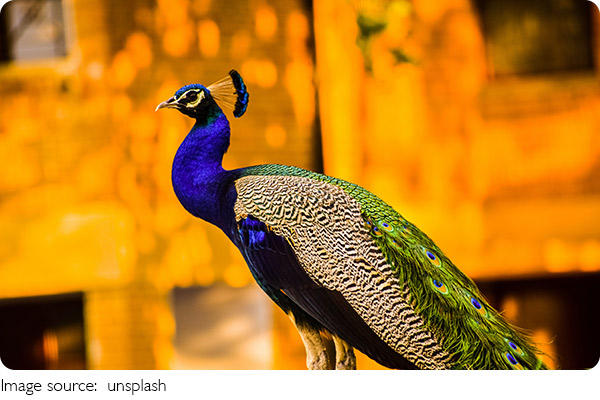
Symbol of Rebirth and Immortality
The peacock's ability to shed its feathers and grow new ones is often seen as a symbol of renewal, rebirth, and immortality in Indian culture. This quality resonates with the cyclical nature of life and the spiritual concept of reincarnation.
Cycle of Life: The shedding and regrowth of peacock feathers represent the cycle of life, death, and rebirth. This symbolism is often used in spiritual teachings and practices to convey the idea of transformation and spiritual growth.
Immortality in Mythology: The peacock is believed to have the ability to transform poison into nourishment, symbolizing the idea of transcending negativity and achieving immortality. This mythological belief further elevates the peacock's status as a spiritual symbol in Indian culture.
Cultural Symbol in Festivals and Celebrations
The peacock plays a role in Indian festivals and celebrations, where its feathers and images are used to enhance the beauty and vibrancy of events. The bird's connection to Lord Krishna makes it a central symbol during Janmashtami, the festival celebrating Krishna's birth.
Festival of Janmashtami: During this festival, peacock feathers are used in decorations to honour Lord Krishna. The feather symbolizes his playful nature, charm, and divine energy, making it a key element of the celebrations.
Peacock Dance in Cultural Performances: The peacock's graceful movements have inspired traditional dances in India. In some regions, performers mimic the bird's movements to pay homage to its beauty and cultural significance.
The peacock in Indian culture is more than just a symbol of beauty; it embodies spirituality, protection, wisdom, and transformation. From its association with deities like Lord Krishna and Goddess Saraswati to its role as a protector of homes and a bringer of good fortune, the peacock is deeply woven into the fabric of Indian traditions and beliefs. Its symbolism in art, mythology, and daily life continues to inspire awe and reverence, making it one of India's most cherished symbols.