Winging It Through Time
Finnegan Flynn
21-10-2024
 · Animal Team
In the expansive canvas of nature's sky, birds captivate our attention with their graceful flights and vibrant plumage.
They are the avian spirits of the heavens, inhabiting diverse ecological niches and exhibiting a myriad of behavioral and dietary adaptations.
Yet, how much do we truly comprehend about the longevity of these aerial creatures? How many years do they traverse in the realm of existence? This article endeavors to unravel the enigma surrounding birds' lifespans, delving into the intricacies of their existence.
Primarily, it is imperative to recognize that the lifespan of birds intertwines intricately with their species, habitat, and dietary preferences. Broadly speaking, avian lifespans span a vast spectrum, ranging from a mere few years to several decades.
The Pacific Swallow: The Beautiful Messenger Flying Along the Pacific Coast.
The Himalayan Vulture: King of the Skies.
The Majestic Eagle: Symbol of Power and Freedom To Inspire You!
Egrets, the beautiful migratory birds
Rock sheep may be unfamiliar to many people.
Discover essential cat care tips, from choosing the right breed and diet to finding pet-friendly spots and grooming advice.
For instance, the potential lifespan of small songbirds typically hovers around 5-10 years, whereas small parrots may live approximately 8-12 years. Cockatoos, renowned for their sociability and distinctive crests, may thrive for 15-20 years.
Medium-sized parrots like Amazons boast lifespans extending from 20 to 50 years, while larger parrots such as Macaws and Cockatoos can endure for 30-60 years.
Nevertheless, a bird's lifespan is not solely contingent upon its physical dimensions; rather, its habitat exerts a profound influence. Urban-dwelling birds often confront shortened lifespans owing to perils like environmental pollution and vehicular accidents.
Conversely, their counterparts in pristine natural habitats tend to enjoy prolonged lifespans, benefiting from abundant food resources and minimal human interference.
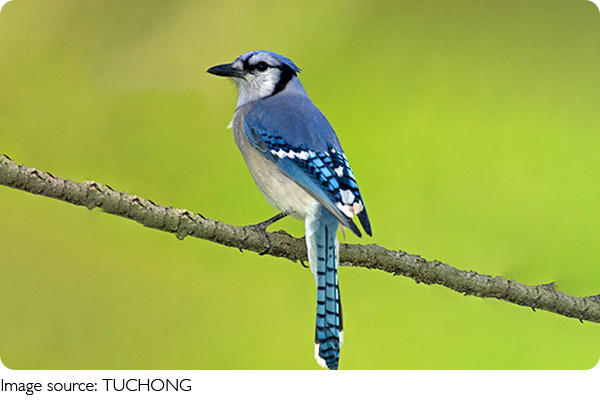
Furthermore, dietary preferences shape the longevity of avian species. Carnivorous raptors like hawks and falcons boast extended lifespans by preying upon other fauna, securing a steady supply of sustenance.
Conversely, herbivorous or omnivorous birds like pigeons and ducks may contend with shorter lifespans, particularly when confronted with anthropogenic predation.
However, even within a species, individual variances manifest in lifespan disparities. Fortunate specimens endowed with robust genetics, vigor, and environmental adaptability often outlive their less fortunate counterparts beset by ailments and predation.
Within human society, certain avian species have transitioned into cherished companions, serving as pets in households worldwide.
Parrots, renowned for their intelligence and mimicry, epitomize this companionship, with lifespans potentially extending over several decades under attentive human care.
Regrettably, captivity and exploitation curtail the lifespans of numerous avian species, constituting a grievous affront to ecological equilibrium.
In summation, avian lifespan epitomizes a multifaceted conundrum, subject to an array of determinants.
As denizens of the same biosphere, it behooves humanity to foster reverence and stewardship towards these sentient beings, ensuring their autonomy within natural habitats. May we coexist harmoniously with these ethereal aviators, safeguarding the sanctity of our shared abode.