Altitude Achievers

Arjun Mehta
21-10-2024
 · Animal Team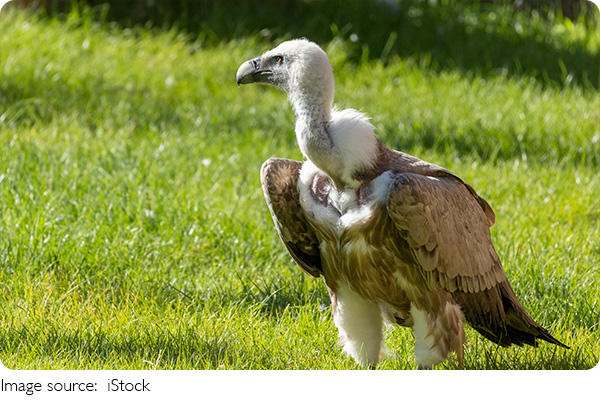
The Himalayan vulture is a large raptor belonging to the family Accipitridae.
Known for its remarkable ability to soar to unprecedented heights, it holds the record for the highest altitude ever recorded for a bird, reaching an astounding 11,300 meters (37,000 feet).
This altitude surpasses even the summit of Mount Everest, highlighting the extraordinary physiological adaptations that allow these vultures to thrive in such extreme environments.
Morphological Characteristics and Habitat
Himalayan vultures are among the largest birds of prey, boasting an impressive wingspan of 2.6 to 3 meters and a weight ranging from 8 to 12 kilograms.
Their plumage is predominantly brown with white accents, and their heads and necks are covered with sparse down feathers, reducing air resistance during high-altitude flights.
The Majestic Eagle: Symbol of Power and Freedom To Inspire You!
Egrets, the beautiful migratory birds
Rock sheep may be unfamiliar to many people.
Discover essential cat care tips, from choosing the right breed and diet to finding pet-friendly spots and grooming advice.
Learn essential rabbit care tips, from creating a comfy habitat to providing the right mix of hay, veggies, and playful interaction.
Raising a cat requires space, care, and love to keep them healthy, happy, and content.
Their wings are broad and powerful, perfectly adapted for sustained gliding, while their robust chest muscles provide the strength necessary for long-distance travel.
These vultures primarily inhabit the high-altitude regions of the Himalayas and the plateaus of Central Asia. They are commonly found at elevations between 1,200 and 6,000 meters, favoring open valleys and rocky cliffs that provide ample food sources and secure nesting sites.
These environments not only offer an abundance of carrion but also ensure safety from terrestrial predators.
Physiological Adaptations and Flight Ability
The Himalayan vulture's ability to soar at extreme altitudes is due to a suite of remarkable physiological adaptations. Their respiratory system is highly developed, with a complex network of air sacs that allows for efficient oxygen utilization in low-oxygen environments.
Additionally, these vultures have a higher concentration of red blood cells and hemoglobin, which enhances their capacity for oxygen transport.
Their hearts are relatively large and powerful, maintaining effective blood circulation even in the thin air of high altitudes. The unique structure of their lungs provides an increased surface area for gas exchange, improving oxygen absorption efficiency.
These adaptations enable Himalayan vultures to glide effortlessly at high altitudes for extended periods, scanning vast areas for food and suitable nesting sites.
Diet and Ecological Role
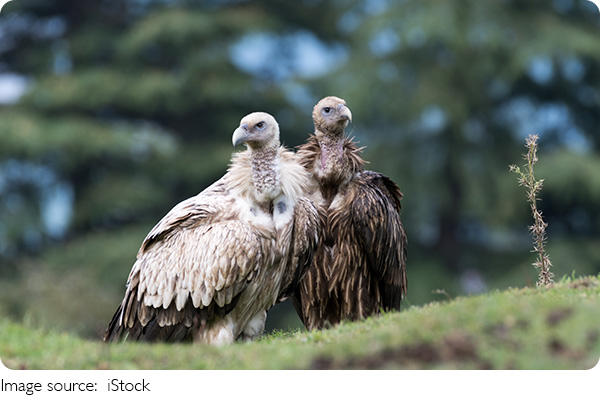
Himalayan vultures are quintessential scavengers, primarily feeding on the carcasses of dead animals. This dietary habit plays a crucial role in the ecosystem by aiding in the decomposition process and reducing the spread of disease.
Their highly acidic stomachs can digest bacteria and parasites found in carrion, thereby purifying the environment and protecting their health.
These vultures possess extraordinarily keen vision, allowing them to spot carcasses from great heights. They often feed in groups, efficiently sharing large carcasses. The scarcity of food resources necessitates long-distance flights in search of sustenance, further honing their flight abilities and endurance.
Breeding and Conservation Status
The breeding season for Himalayan vultures typically occurs in winter. Female vultures lay one egg per clutch, with an incubation period of about 50 days.
Nests are usually constructed on cliffs to avoid ground predators, and the chicks require several months of parental care before they are capable of independent flight and foraging.
Despite being relatively common in their natural habitats, Himalayan vulture populations have experienced a decline in recent years.
Factors such as human activities, habitat destruction, and poisoning from livestock carcasses contaminated with veterinary drugs pose significant threats to their survival.
In particular, the use of diclofenac sodium, a drug harmful to vultures, has led to mass poisoning incidents in India and Nepal.
To protect this vital ecological species, various governments and environmental organizations have implemented several conservation measures. India has banned the use of diclofenac and established multiple vulture sanctuaries.
Nepal has promoted vulture-friendly agricultural practices and environmental education through community engagement, aiming to minimize habitat destruction and poisoning incidents.
The Himalayan vulture is not only the record holder for flight altitude but also a remarkable testament to nature's adaptability. Their unique physiological adaptations and ecological roles make them an integral part of high-altitude ecosystems.
Protecting Himalayan vultures is essential for maintaining biodiversity and ecological balance. Future research and enhanced conservation efforts are crucial to ensure that these magnificent birds continue to soar freely in the skies, serving as a symbol of the incredible heights that life can reach.