Roe Deer: Silent Beauty

Arvind Singh
05-09-2024
 · Animal Team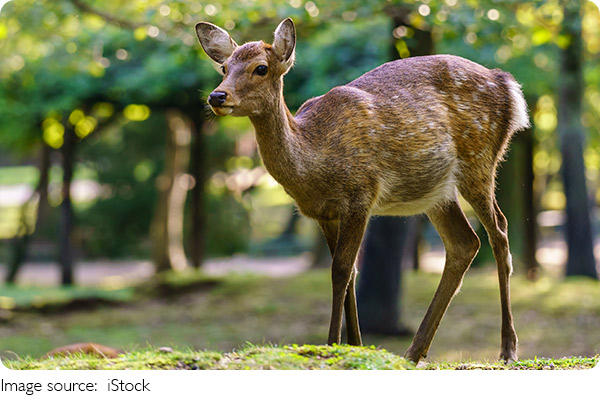
The Roe deer (Capreolus) is a species of deer native to Europe and parts of Asia, known for its elegant appearance and remarkable adaptability. This small to medium-sized deer is a familiar sight in forests, farmlands, and even suburban areas.
So Lykkers, wanna explore the fascinating world of the Roe deer? From its physical characteristics to its behavior and ecological significance!
Physical Characteristics
Roe deer are easily recognizable by their slender build and distinctive reddish-brown summer coat, which turns to a thicker, grayish-brown in winter. Adult Roe deer typically stand about 65-75 cm (26-30 inches) tall at the shoulder and weigh between 15-35 kg (33-77 pounds). Males, known as bucks, are slightly larger than females, called does. One of the most striking features of the Roe deer is its short antlers, which are found only in males. These antlers are typically three-pronged and are shed and regrown annually.
Although there are more and more other pets,cats are still the most common.
Strange-looking birds.
Fierce birds.
Known as "flying flowers", butterflies are a class of very beautiful insects.
Spit to scare off enemies and make laughter to alert fellows? This animal is super funny!
Sea lions live both on land and in the sea. How do they communicate with each other?
Behavior and Diet
Roe deer are crepuscular, meaning they are most active during the early morning and late evening hours. They are solitary animals except during the breeding season, which occurs from July to August. During this time, bucks become more territorial and engage in displays of dominance to attract does. After a gestation period of about 10 months, it does give birth to one or two fawns in late spring.
The diet of Roe deer is primarily herbivorous, consisting of a wide variety of vegetation, including grasses, leaves, shoots, and fruits. They are known to be selective feeders, often choosing the most nutritious parts of plants. This selective feeding helps maintain the balance of plant species in their habitat, making them an important part of the ecosystem.
Habitat and Distribution
Roe deer are highly adaptable and can be found in a variety of habitats, including deciduous and mixed forests, grasslands, and agricultural areas. They are native to Europe, ranging from the British Isles to the Caucasus, and are also found in parts of Asia. In recent years, Roe deer populations have expanded into urban and suburban areas, where they often come into contact with humans.
Ecological Significance
Roe deer play a crucial role in their ecosystems. As herbivores, they help control the growth of vegetation, which in turn influences the composition of plant communities. Their presence also supports a variety of predators, including wolves, lynxes, and foxes, which rely on Roe deer as a food source. Additionally, their selective feeding habits can have a positive impact on the diversity of plant species in their habitat.
Conservation Status
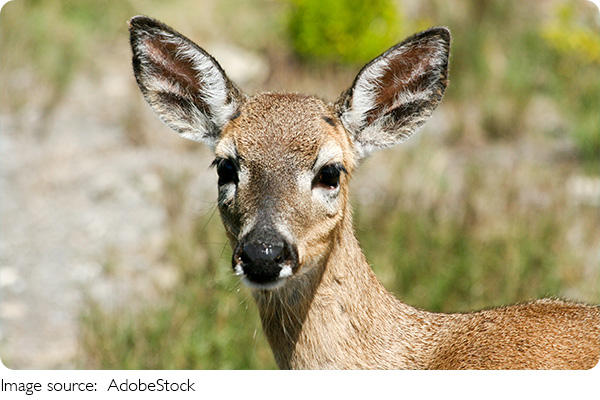
Roe deer are currently listed as a species of Least Concern by the International Union for Conservation of Nature (IUCN), meaning they are not at immediate risk of extinction. However, they do face threats from habitat loss, road traffic accidents, and hunting. In many parts of Europe, Roe deer populations are carefully managed through regulated hunting practices to ensure their numbers remain stable.
The Roe deer is a remarkable example of adaptability and resilience in the face of environmental changes. Its graceful presence in our forests and fields serves as a reminder of the intricate connections between wildlife and their habitats.
Understanding and protecting the Roe deer and its environment is essential for maintaining the balance of our natural ecosystems. Whether encountered in the wild or simply admired from afar, the Roe deer continues to inspire with its beauty and ecological importance.
Roe Deer - The British Mammal Guide
Video By Steve Evans