Playful Sea Lions

Ethan Sullivan
04-09-2024
 · Animal Team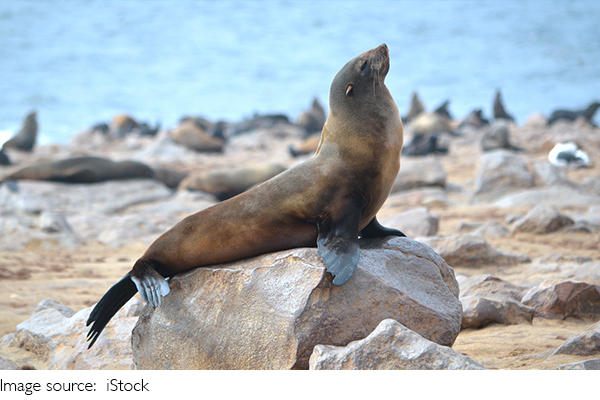
Sea lions, with their playful demeanour and remarkable agility, are among the most captivating marine mammals. Belonging to the Otariidae family, sea lions are pinnipeds, a group that also includes seals and walruses.
These animals are distinguished by their external ear flaps and the ability to walk on land using their large flippers.
They are found in various regions around the world, from the cold waters of the Pacific Northwest to the sunny coasts of California and the rocky shores of the Galápagos Islands.
Physical Characteristics
Sea lions are known for their streamlined bodies, which make them excellent swimmers. Their fur is usually a shade of brown, although it can appear almost black when wet. Males are significantly larger than females, often weighing between 600 to 1,000 pounds, while females typically weigh between 200 to 300 pounds. Male sea lions also develop a thick mane around their neck, which adds to their imposing appearance and helps them during territorial disputes.
Discover the dragonfly, an aerial marvel known for its incredible flying skills and vibrant colors.
Unbelievable! This ocean creature has no brain but up to 40 arms!
Cats are the cutest animals in the world which attract more people to raise them.
The lynx is not as powerful as a pack of wolves, but it is a good hunter with both intelligence and courage in the jungle.
foxes like to be cold and afraid of summer heat
Butterflies: Nature’s Flying Jewels!
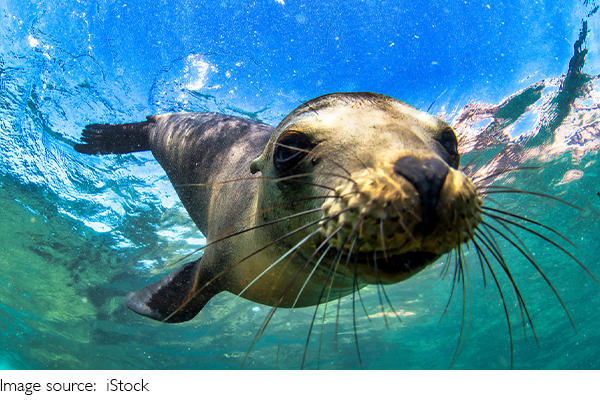
Their flippers are one of the most distinctive features, with the front flippers being long and wing-like, enabling them to propel themselves through the water at impressive speeds. They can reach up to 25 miles per hour in short bursts, which is useful both for catching prey and evading predators.
Behavior and Social Structure
Sea lions are highly social animals, often seen in large groups called colonies or rafts, especially when resting on land. These groups can number in the thousands, and they communicate using a variety of vocalizations, including barks, growls, and roars. These sounds play a crucial role in maintaining social bonds, especially between mothers and their pups.
Mating season, known as the breeding season, typically occurs during the summer months. Males establish territories, and they will fiercely defend these territories from rival males, often engaging in physical combat. The females give birth to a single pup after a gestation period of about 11 months. The bond between a mother and her pup is strong, with the mother nursing and caring for the pup for several months before it becomes independent.
Diet and Hunting
Sea lions are carnivorous and have a diet that primarily consists of fish, squid, and octopus. They are opportunistic feeders, meaning they will eat whatever prey is most readily available. Their hunting technique is both skilful and efficient; they use their speed and agility to chase down prey, often working together in groups to catch schools of fish.
Despite their prowess in the water, sea lions must also be cautious of predators. Sharks and killer whales (orcas) are the primary threats, especially to young or injured individuals. Sea lions rely on their agility and the safety of their colonies to avoid these dangers.
Adaptations and Survival
One of the most remarkable aspects of sea lions is their adaptability. They have evolved to thrive both in water and on land. Their thick layer of blubber provides insulation in cold waters, while their fur helps keep them dry and warm when they haul out on land. Sea lions can hold their breath for up to 20 minutes, allowing them to dive deep in search of food. They also have a unique circulatory system that can redirect blood flow to vital organs, enabling them to conserve oxygen during extended dives.
Another key adaptation is their ability to slow down their heart rate while diving. This process, known as bradycardia, helps them conserve oxygen and extend their underwater time. These adaptations, combined with their keen sense of sight and hearing, make sea lions formidable hunters in the marine environment.
Human Interaction and Conservation
Sea lions have long fascinated humans, appearing in various forms of art, and literature, and even as performers in marine parks. However, sea lions face numerous threats from human activities. Pollution, overfishing, and climate change are big challenges. Polluted waters can lead to health problems while overfishing reduces their food supply. Climate change is also affecting sea lion populations by altering their habitats and the availability of prey.
Conservation efforts are in place to protect sea lions, including legal protections under the Marine Mammal Protection Act (MMPA) in the United States. Rehabilitation centres work to rescue and treat injured or sick sea lions, and public awareness campaigns aim to reduce human impact on their environments.
Sea lions are remarkable creatures that play a vital role in the marine ecosystem. Their playful nature and impressive adaptations make them a favourite among marine enthusiasts. However, they also serve as a reminder of the delicate balance between human activity and wildlife conservation. Protecting sea lions and their habitats ensures that future generations can continue to marvel at these incredible animals.